What will garden path design 2026 look like, and why are outdoor Pathways suddenly becoming the most important element of landscape styling? Can a simple Layout change how we experience a garden, improve a Front yard, and even feel as immersive as an Animal crossing island build? In this article, I explore practical and creative Ideas inspired by real landscape trends, digital creativity like Acnh and Acnh zen aesthetics, and timeless approaches such as Japanese and Cottage gardens.
I will walk through modern solutions, from Curved natural paths to structured Rock, Flower, and Wood stamped concrete designs that help you Grow a cohesive outdoor space. Whether you are planning a calm Zen retreat or a playful Acnh flower inspired garden, these concepts will help you build a clear Plan for beautiful and functional outdoor living in 2026.
Minimalist Zen Garden Path
I see minimalist Zen paths becoming one of the defining directions of garden path design 2026 because they prioritize calm movement rather than decoration. A clean Layout with negative space allows the garden to breathe, guiding visitors slowly through the environment. In practice, this means fewer materials but stronger intention, often inspired by Japanese landscaping philosophy where every step has meaning. These paths work especially well in small urban gardens or structured courtyards where visual noise needs to be reduced.
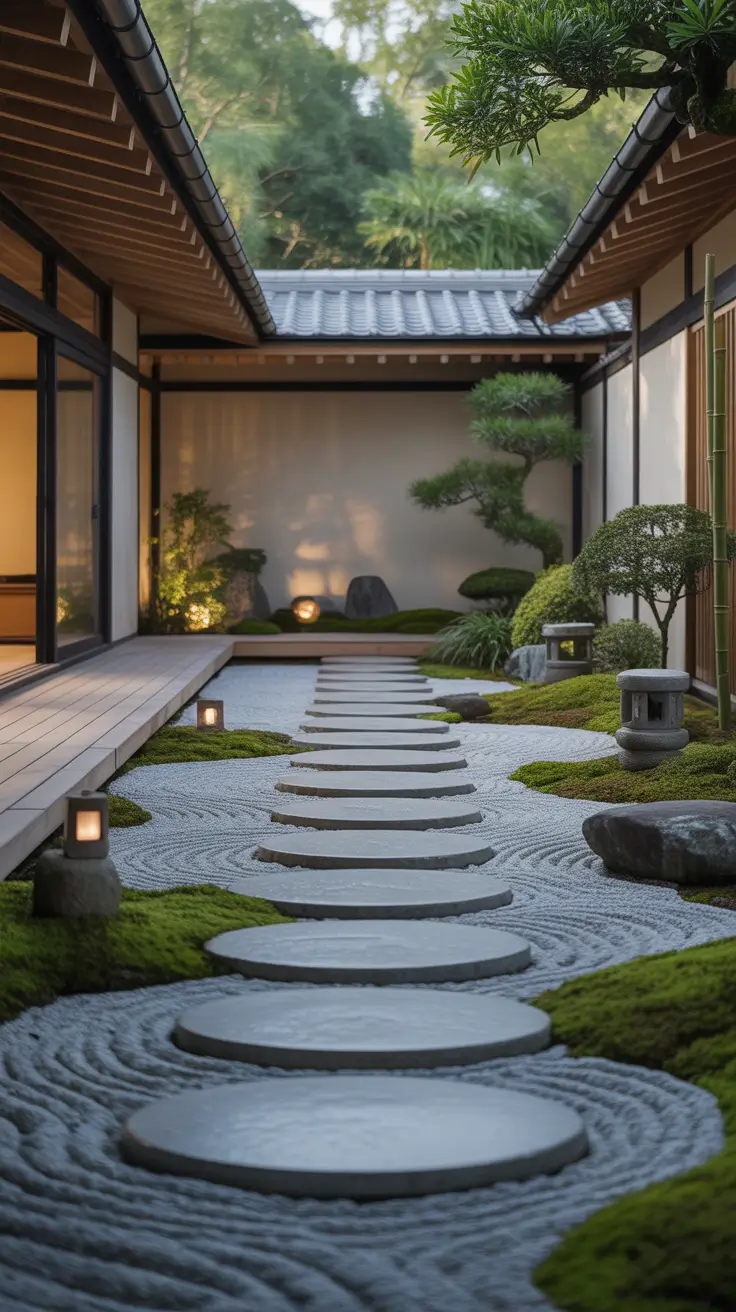
When designing this type of path, I focus on large stepping stones placed within fine gravel, subtle Rock compositions, and low greenery instead of dense planting. Materials like pale stone slabs or matte concrete help maintain a quiet aesthetic. I often add low lantern lighting, bamboo edging, and carefully trimmed moss or ground cover to reinforce the Zen atmosphere without overwhelming the space.
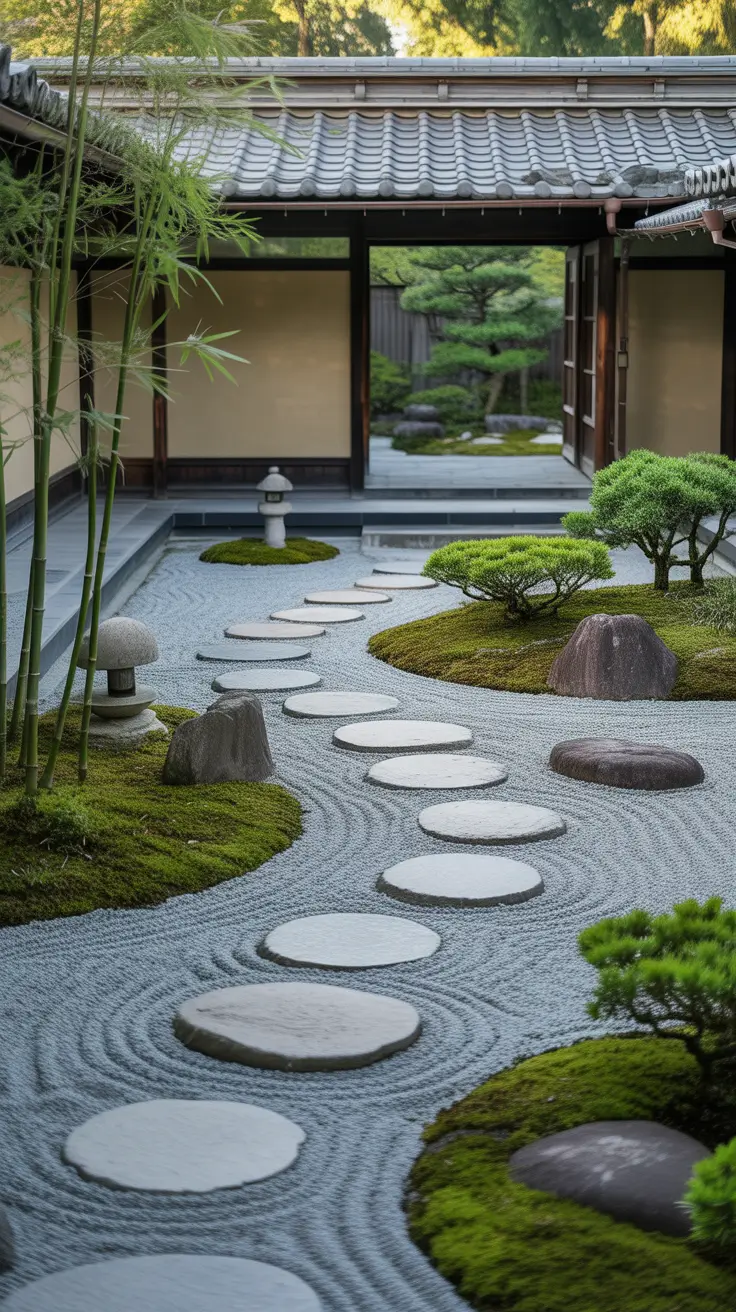
From my experience, designers frequently reference principles shared by publications like Architectural Digest, which emphasize balance, asymmetry, and natural texture in modern outdoor spaces. I have noticed that homeowners feel more relaxed when circulation paths are simple and predictable, proving that minimalism outdoors works just as powerfully as inside the home.
What I would add to complete this section is a water feature or subtle sound element. Even a small basin or trickling fountain strengthens the sensory experience and completes the meditative intention behind a true Zen path.
Lavender Cottage Garden Path
The lavender Cottage path feels like a soft counterbalance to minimalist trends and remains incredibly relevant in garden path design 2026. I design these paths to feel welcoming and slightly nostalgic, especially for a Front garden where first impressions matter. Narrow Curved Pathways encourage exploration and naturally slow walking speed, allowing visitors to enjoy fragrance and texture.
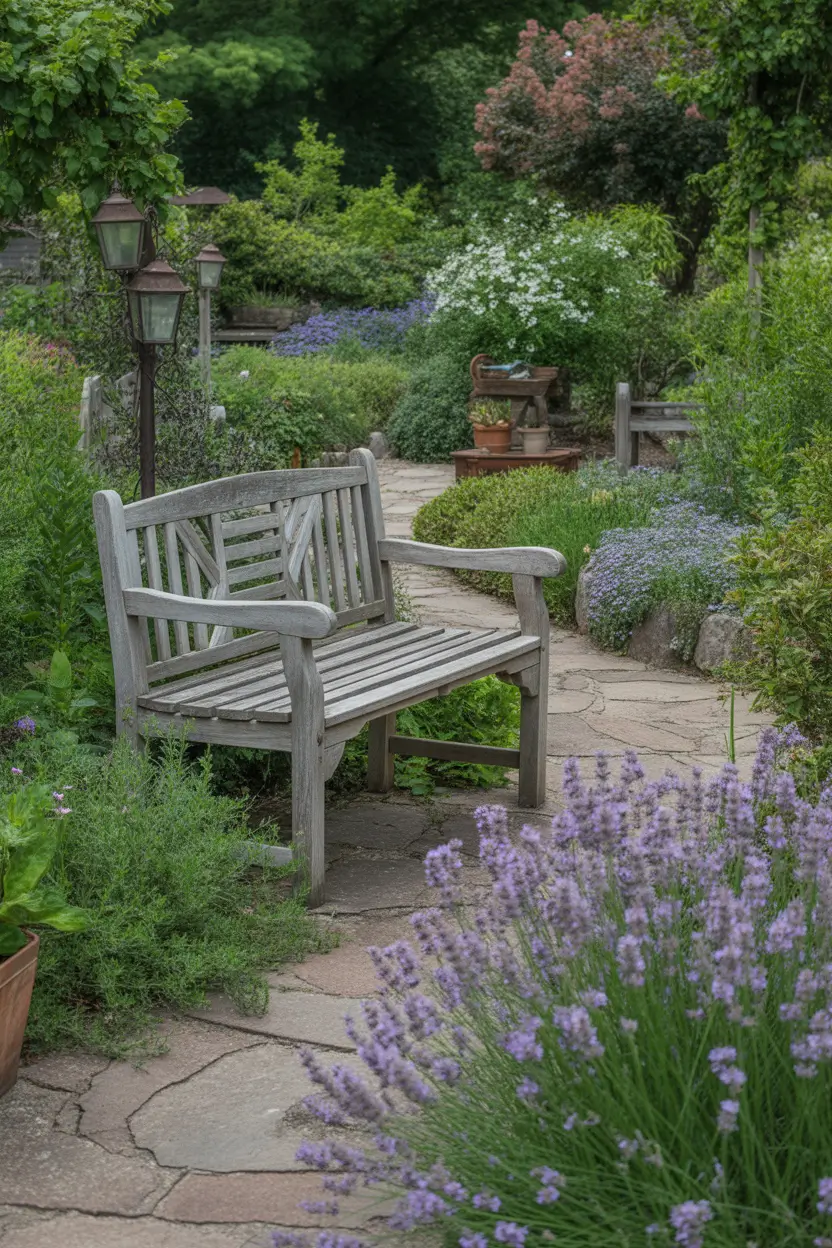
I typically combine natural stone pavers with dense lavender borders, mixed perennial Flower beds, and informal edging. Wooden benches, vintage-style lanterns, and soft gravel infill reinforce the relaxed countryside mood. The key is layering heights so the path feels gently enclosed without becoming crowded.
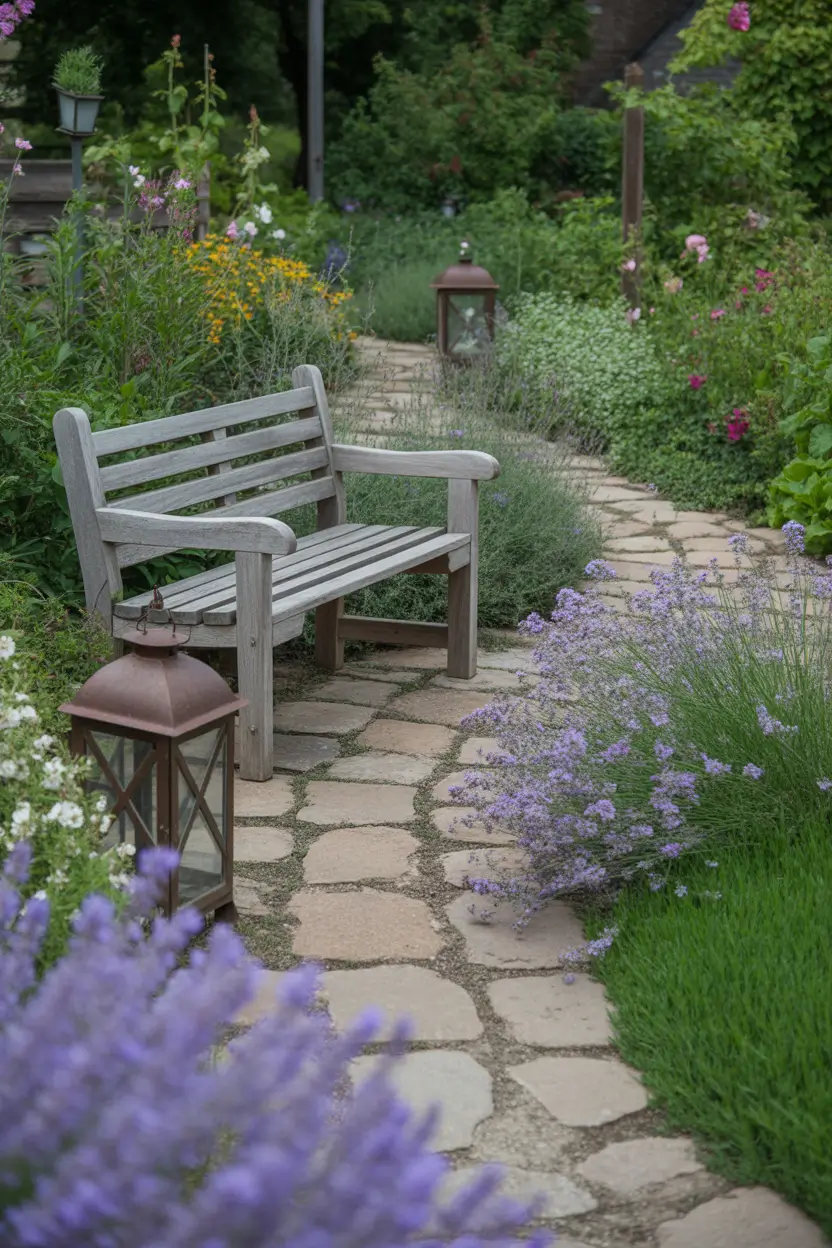
Personally, I love how this design mirrors storytelling environments similar to cozy builds seen in Animal crossing landscapes. Many gardeners tell me they reconnect emotionally with their outdoor space once fragrance and seasonal color become part of the walking experience. Designers highlighted in Better Homes and Gardens often stress that sensory planting increases time spent outdoors, and I completely agree with that observation.
If something is missing here, it is seasonal planning. I always recommend mixing early bulbs and late bloomers so the path stays visually alive from spring through autumn.
Modern Concrete Front Path
A modern concrete Front path represents practicality meeting contemporary aesthetics. In garden path design 2026, homeowners increasingly want durability paired with architectural clarity. Straight or slightly offset slabs create a confident Layout that connects the street to the home with intention and visual order.
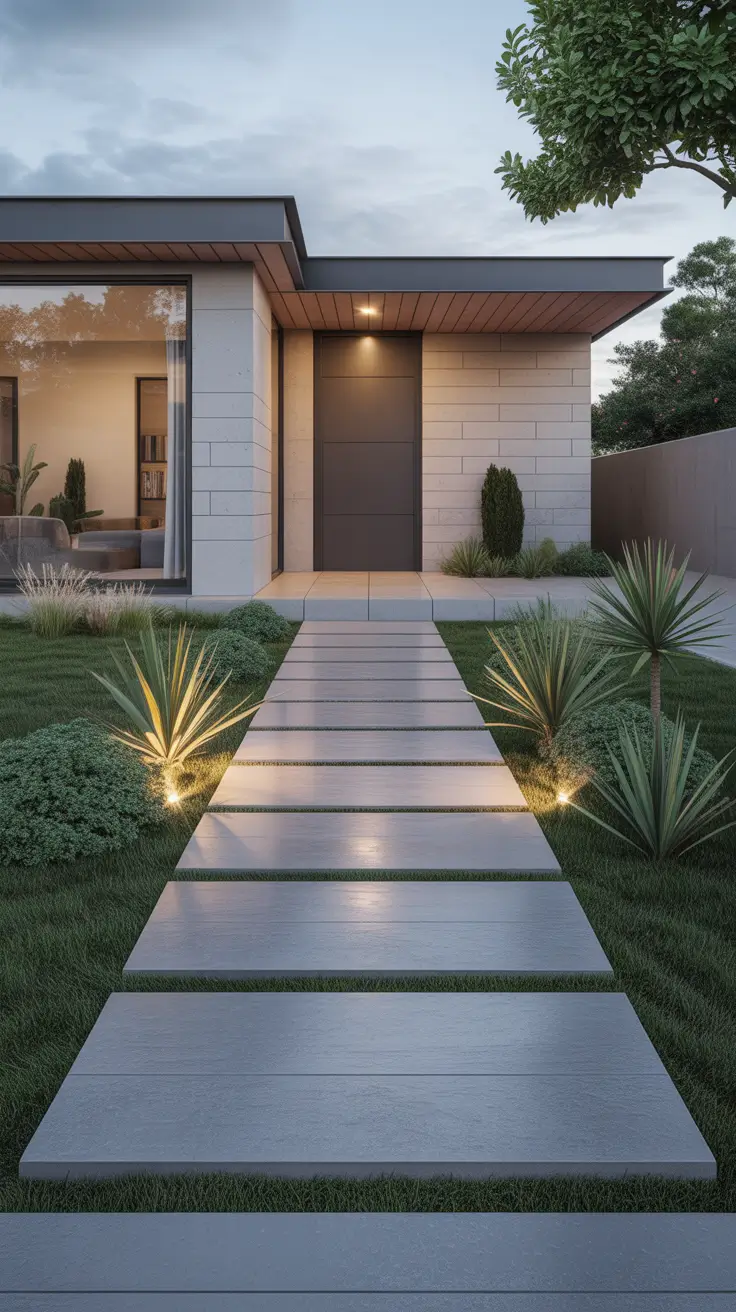
I prefer oversized concrete panels separated by gravel joints or low greenery strips. Integrated lighting, minimalist planters, and structured shrubs provide rhythm along the path. This is where Wood stamped concrete becomes especially useful, offering warmth while maintaining the durability of concrete surfaces.
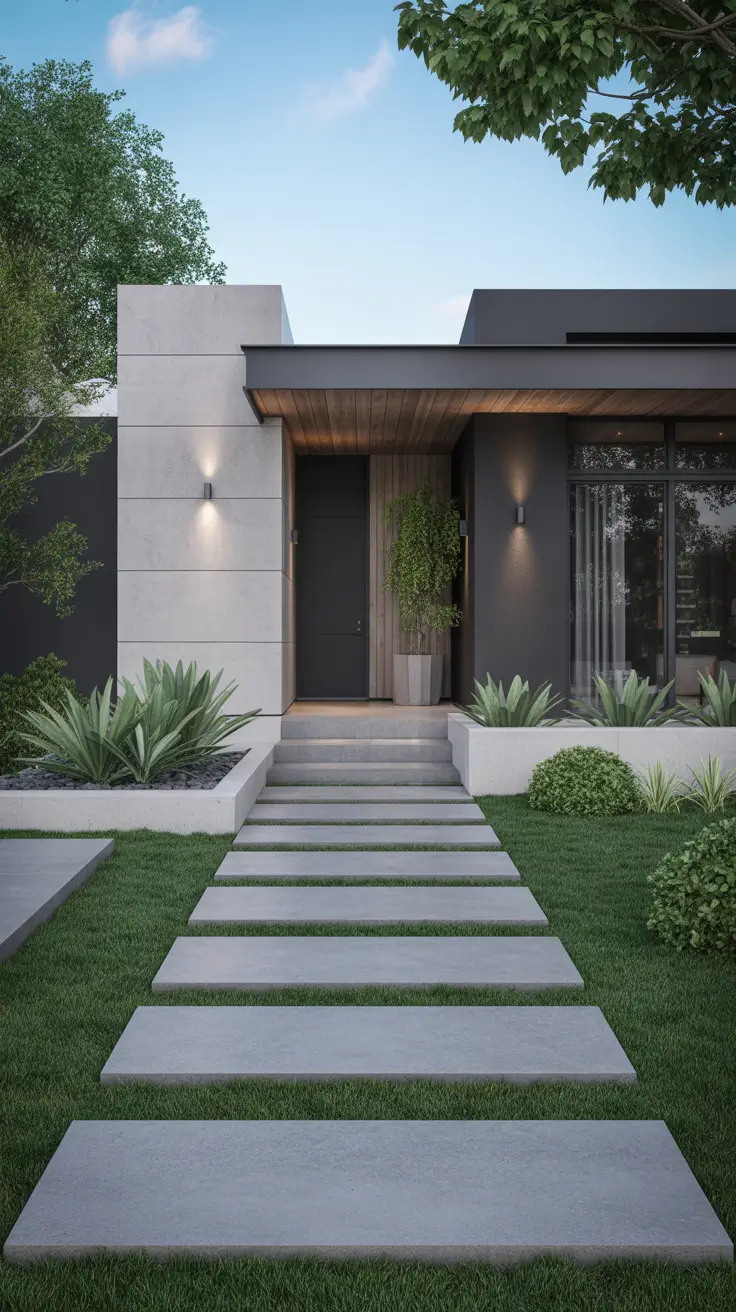
In my projects, I have seen how a well-designed entrance path can elevate property value simply by clarifying circulation. Landscape architects featured in Dwell magazine often highlight that entry sequences shape emotional perception before anyone even enters the home, and I find this consistently true.
To strengthen this design further, I would add seating or a transitional pause point near the entrance. A bench or sculptural planter helps soften the modern geometry and makes the approach feel intentional rather than purely functional.
Pastel ACNH Flower Path
Digital inspiration plays a surprising role in garden path design 2026, and the pastel Acnh flower path translates virtual creativity into real landscapes. Inspired by Acnh island builds, this concept embraces playful color, soft edges, and whimsical planting arrangements that feel approachable rather than formal.
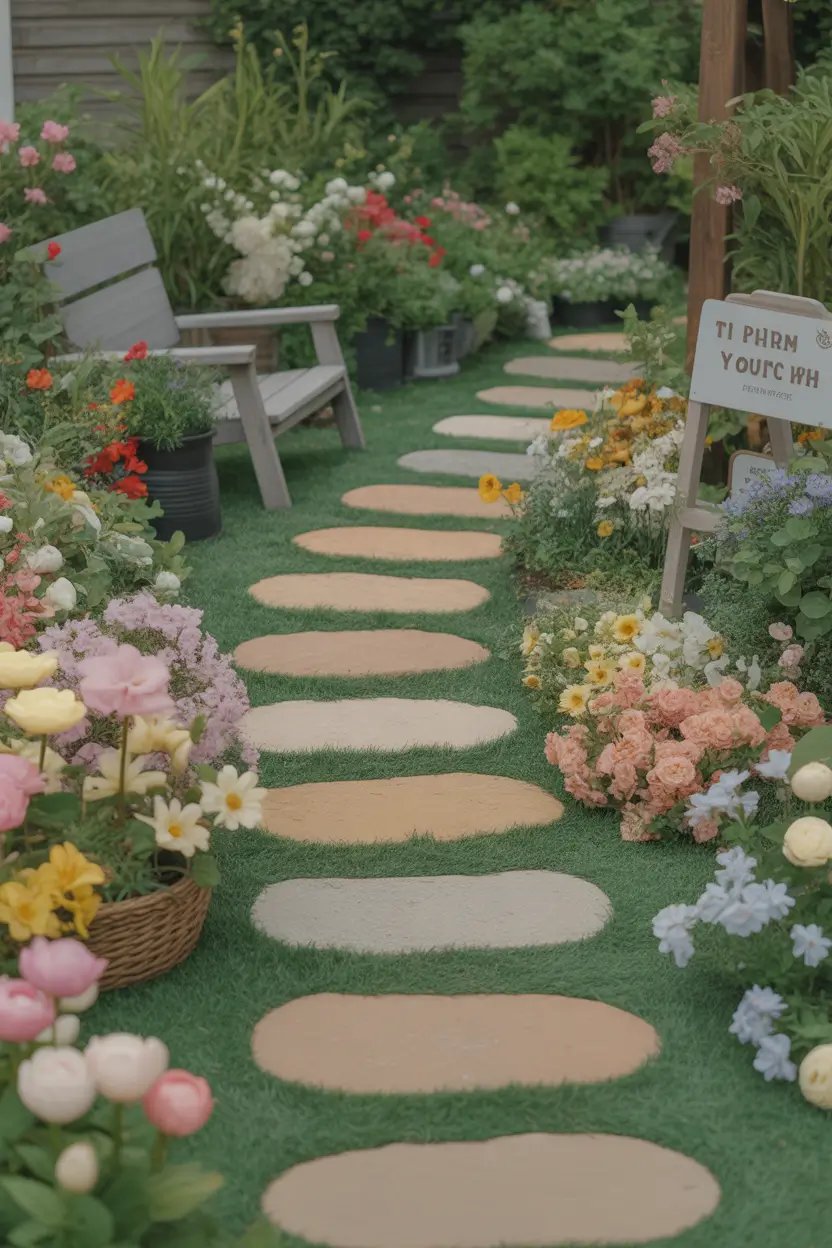
I design these paths using pale stepping stones surrounded by pastel-toned blooms such as cosmos, daisies, and low roses. Decorative edging, small garden signs, and layered planting echo the charm people recognize from Animal crossing environments while still functioning as practical Pathways.
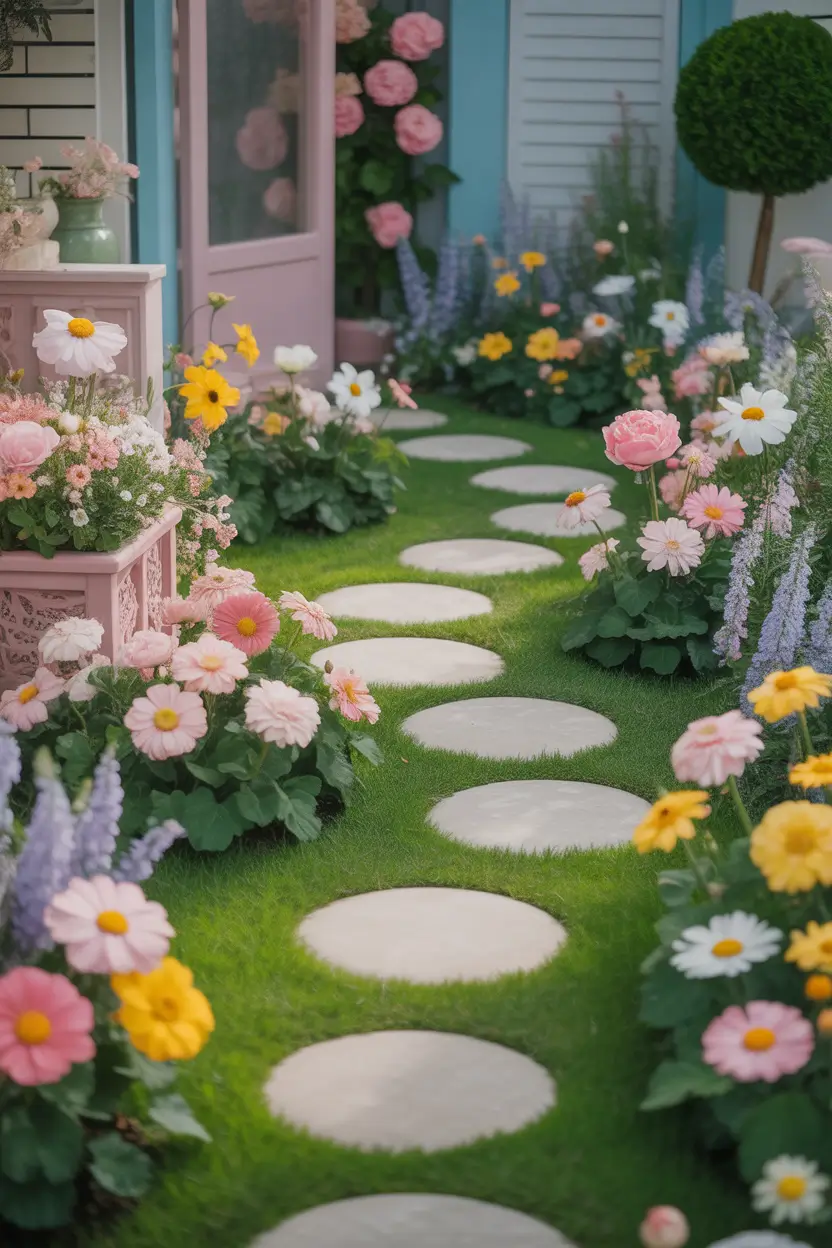
From my perspective, this style works best in family gardens or creative spaces where personality matters more than strict design rules. I have noticed that clients feel more connected when their garden reflects hobbies or gaming culture. Media outlets covering lifestyle trends increasingly mention how digital aesthetics influence real-world design, and this path is a perfect example.
What could enhance this concept further is structured maintenance planning. Without clear pruning and spacing rules, pastel gardens can quickly look messy rather than magical.
Japanese Rock Garden Path
The Japanese Rock garden path remains timeless yet evolves beautifully within garden path design 2026. I approach this design as a journey rather than a walkway, where each step reveals a new composition. The Layout typically follows asymmetrical placement, allowing nature to appear spontaneous while actually being carefully planned.
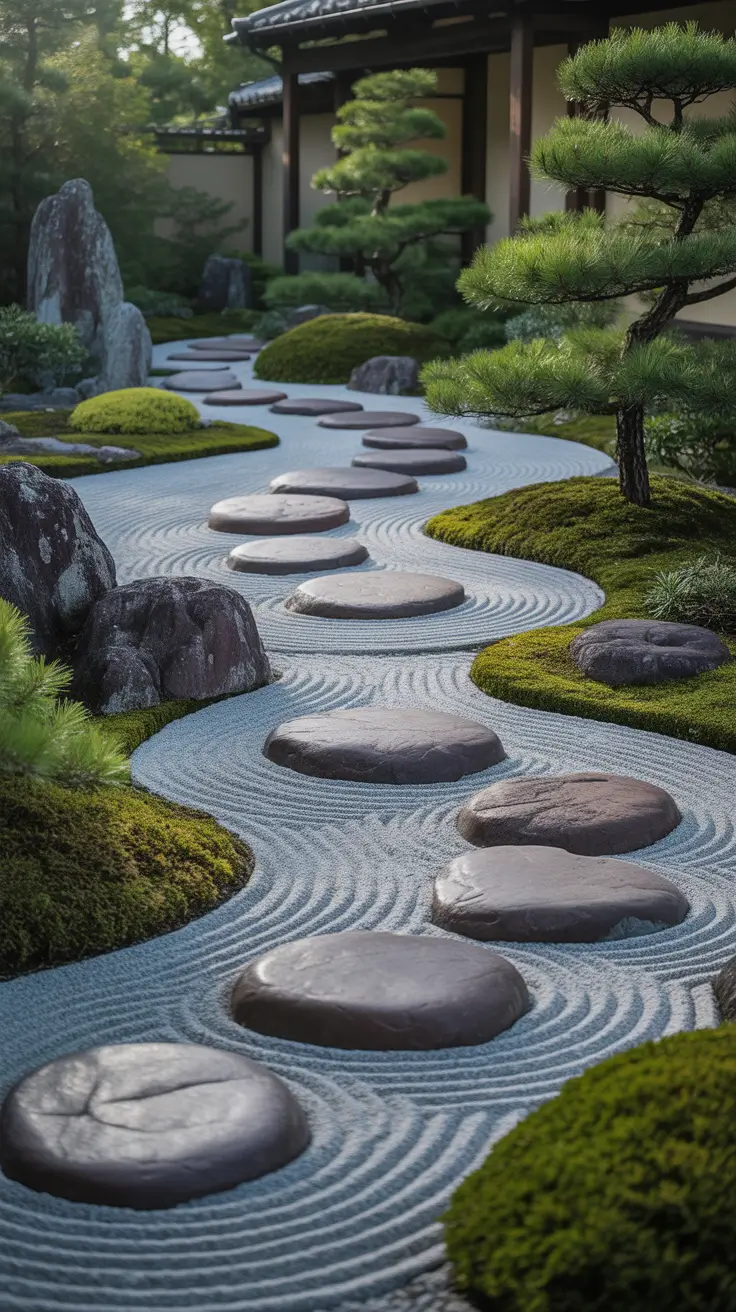
Materials play a critical role. I combine irregular stepping stones, raked gravel patterns, sculptural rocks, and restrained planting such as dwarf pines or ornamental grasses. Neutral tones keep attention focused on texture and shadow rather than color, reinforcing the contemplative quality associated with Zen landscapes.
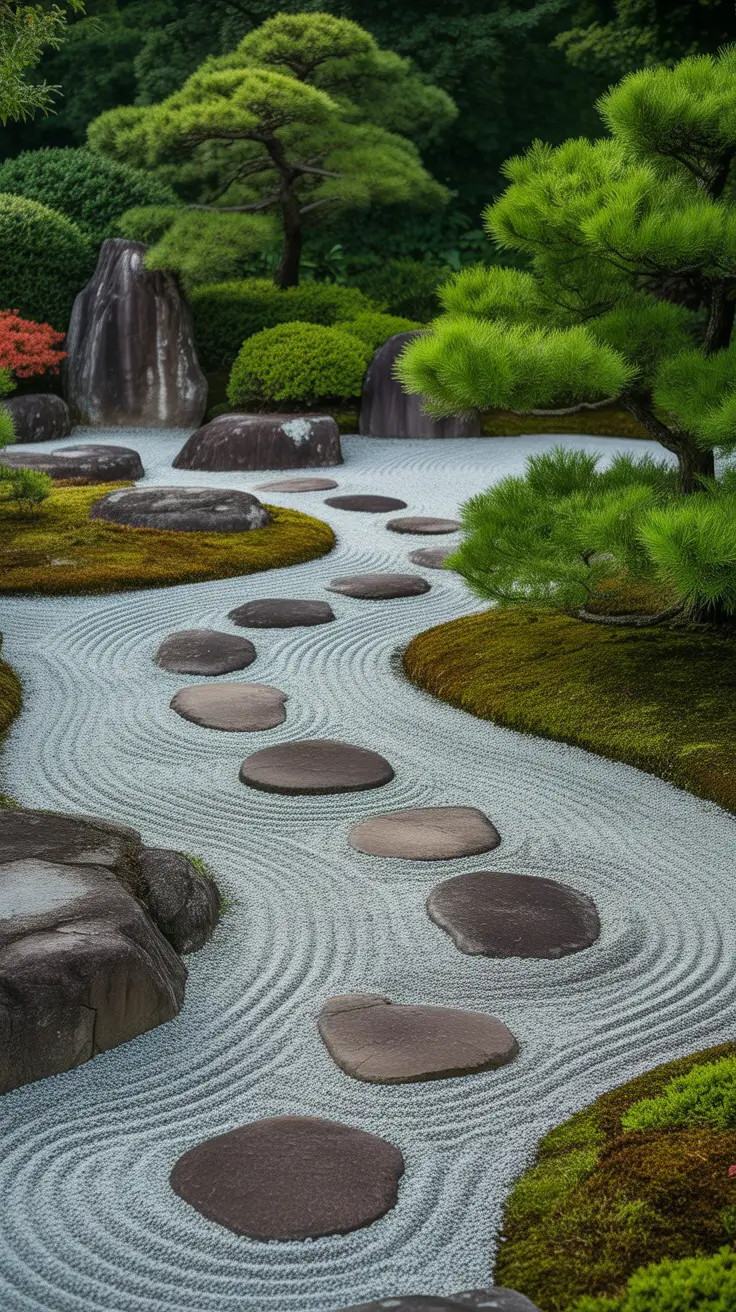
In my experience, this type of path changes how people move through their garden. Inspired by traditional Japanese principles often discussed by landscape historians and garden conservancies, slow movement becomes part of the design intention. Visitors naturally pause, observe, and engage more deeply with the environment.
To complete the composition, I would introduce framed viewpoints such as a bench, lantern, or framed tree placement that gives walkers a visual destination.
Curved Woodland Garden Path
A Curved woodland path is one of the most natural interpretations of garden path design 2026, especially for larger gardens. Instead of forcing geometry, the path adapts to existing trees and terrain, helping the landscape feel preserved rather than redesigned. These Pathways encourage exploration and create a sense of discovery.
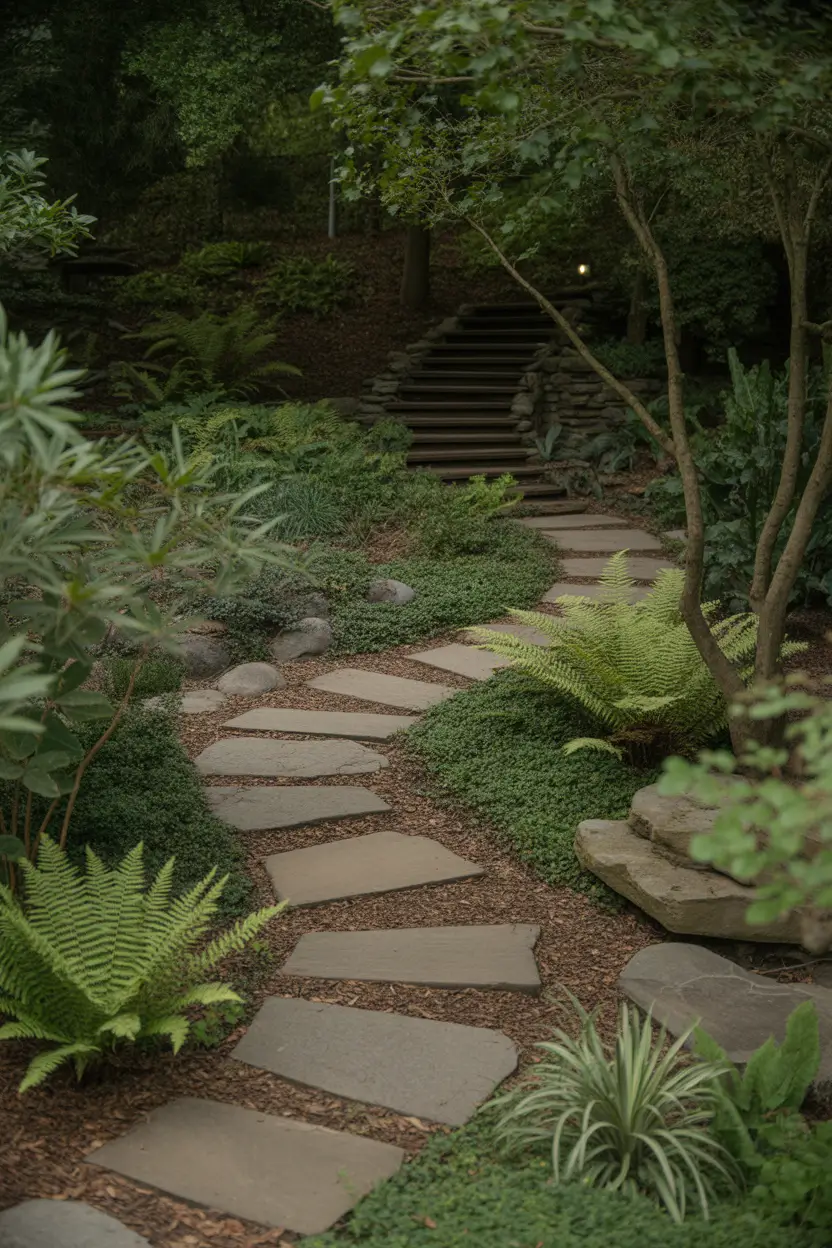
I typically use bark mulch, natural stone, or compacted gravel paired with ferns, shade-loving Flower varieties, and layered shrubs. Wooden edging or fallen-log borders reinforce the organic atmosphere. Soft lighting hidden among plants ensures usability without disturbing the woodland character.
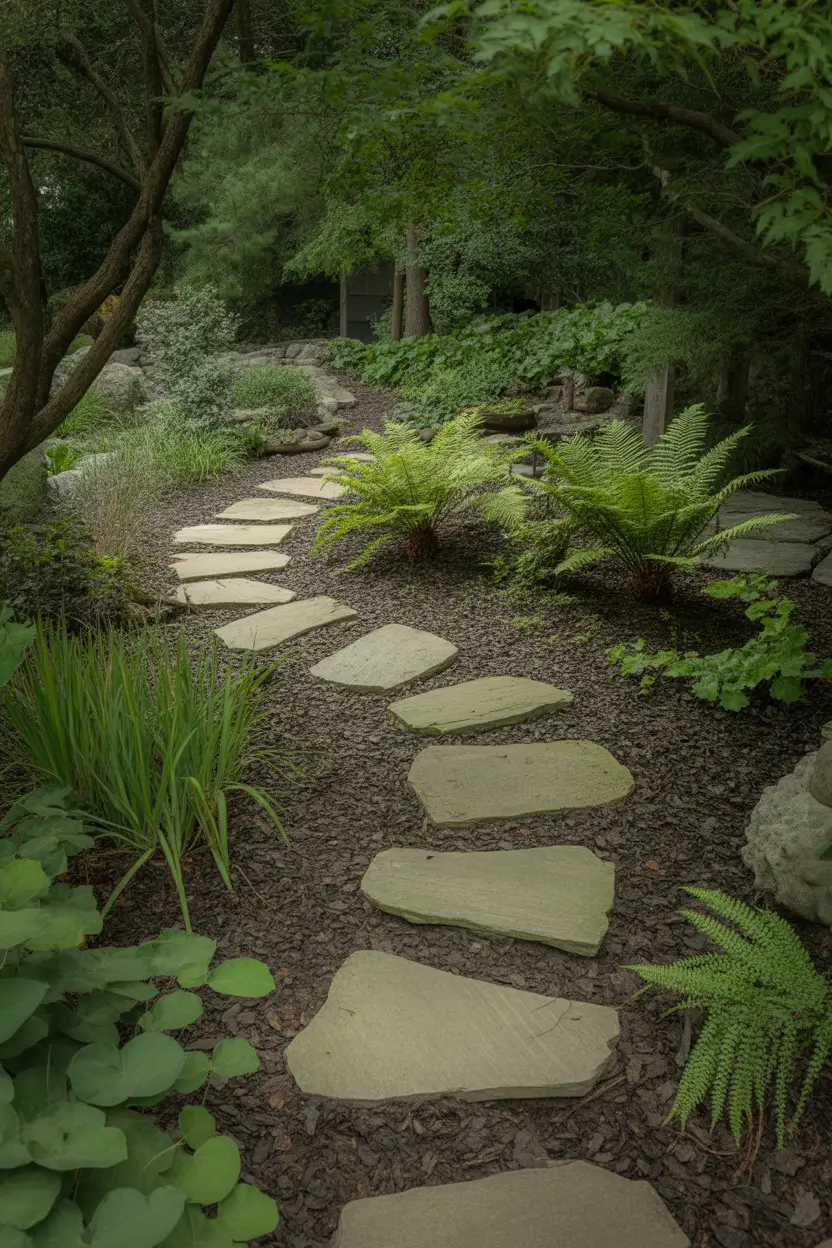
Personally, I believe curved paths reduce visual stress because they avoid harsh lines. Landscape designers featured in Garden Design Magazine often emphasize biophilic principles, suggesting humans respond positively to nature-mimicking forms, and woodland paths perfectly demonstrate that idea.
What I would add here is seasonal texture planning. Including evergreen ground covers ensures the path remains visually structured even during winter months.
White Gravel Front Path
The white gravel Front path offers brightness and simplicity, making it a strong trend within garden path design 2026. I often recommend this solution for smaller spaces where light reflection can visually expand the garden. A clear Plan and structured Layout help prevent gravel from feeling random or unfinished.
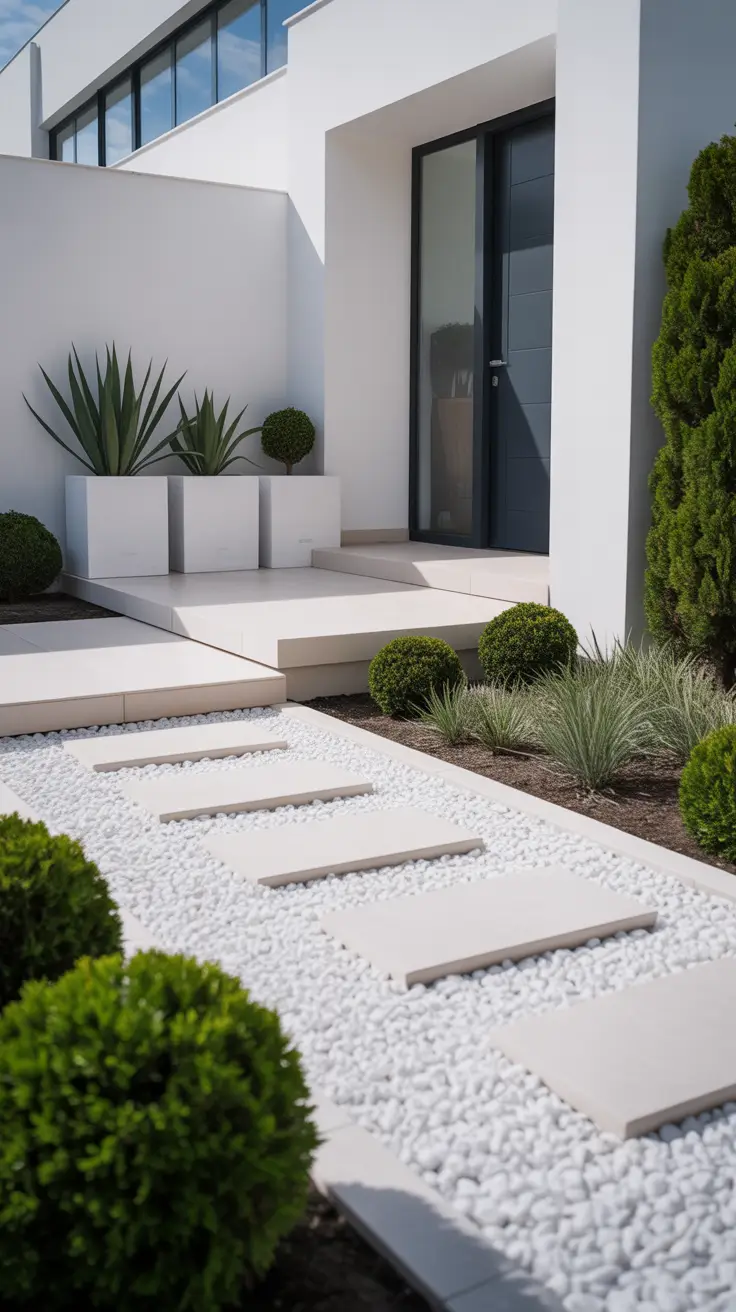
I pair white gravel with geometric stepping stones, modern planters, and drought-resistant planting. Contrasting greenery and occasional Rock accents create definition, while metal or stone edging keeps the surface contained and easy to maintain.
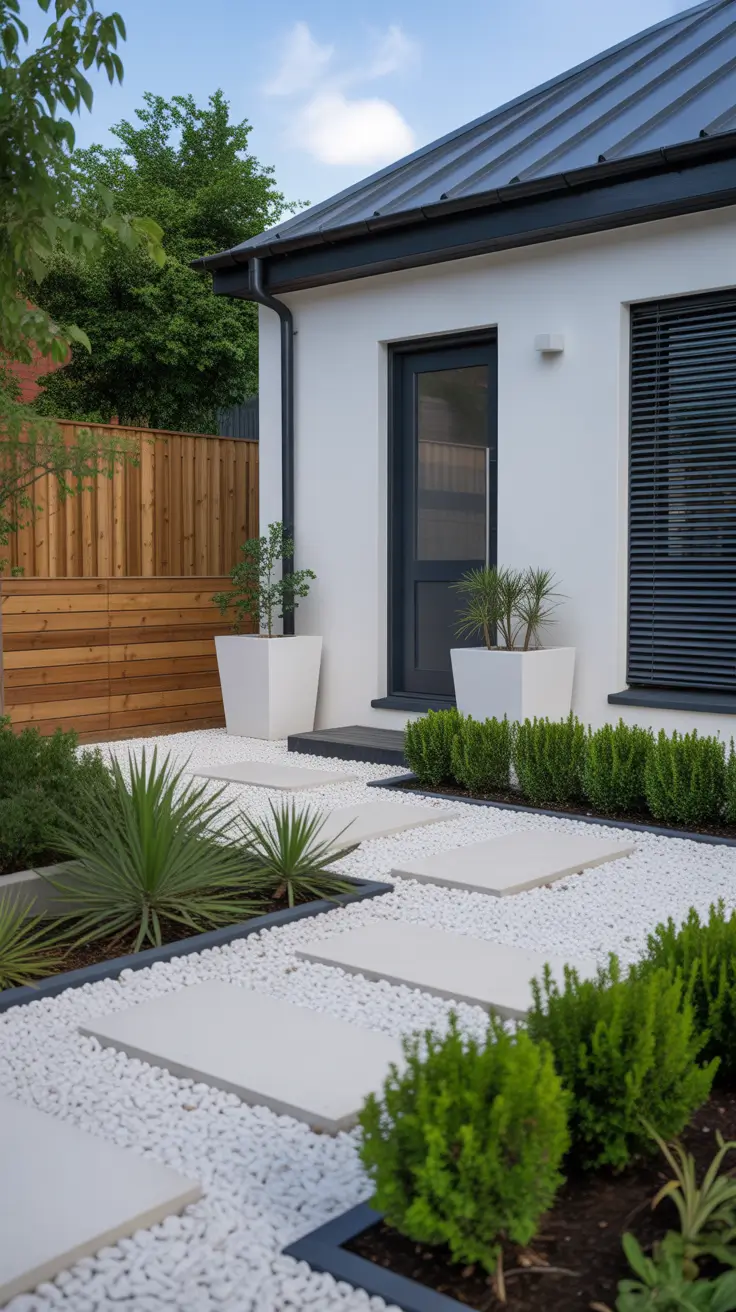
In my own observations, homeowners appreciate how affordable yet sophisticated this option feels. Designers highlighted in HGTV landscaping features frequently mention that gravel paths balance cost, drainage, and aesthetics, making them ideal for modern renovations.
To improve functionality, I would always include a stabilizing grid beneath the gravel. This prevents shifting and ensures comfortable walking, especially in high-traffic entry areas.
Wood Look Concrete Path
I often recommend a wood-look path for homeowners who want warmth without maintenance challenges, and it has become a defining feature of garden path design 2026. This approach blends the natural feeling of timber with the durability of Wood stamped concrete, making it ideal for climates where real wood quickly deteriorates. The visual effect softens modern gardens while still maintaining a clean and intentional Layout.
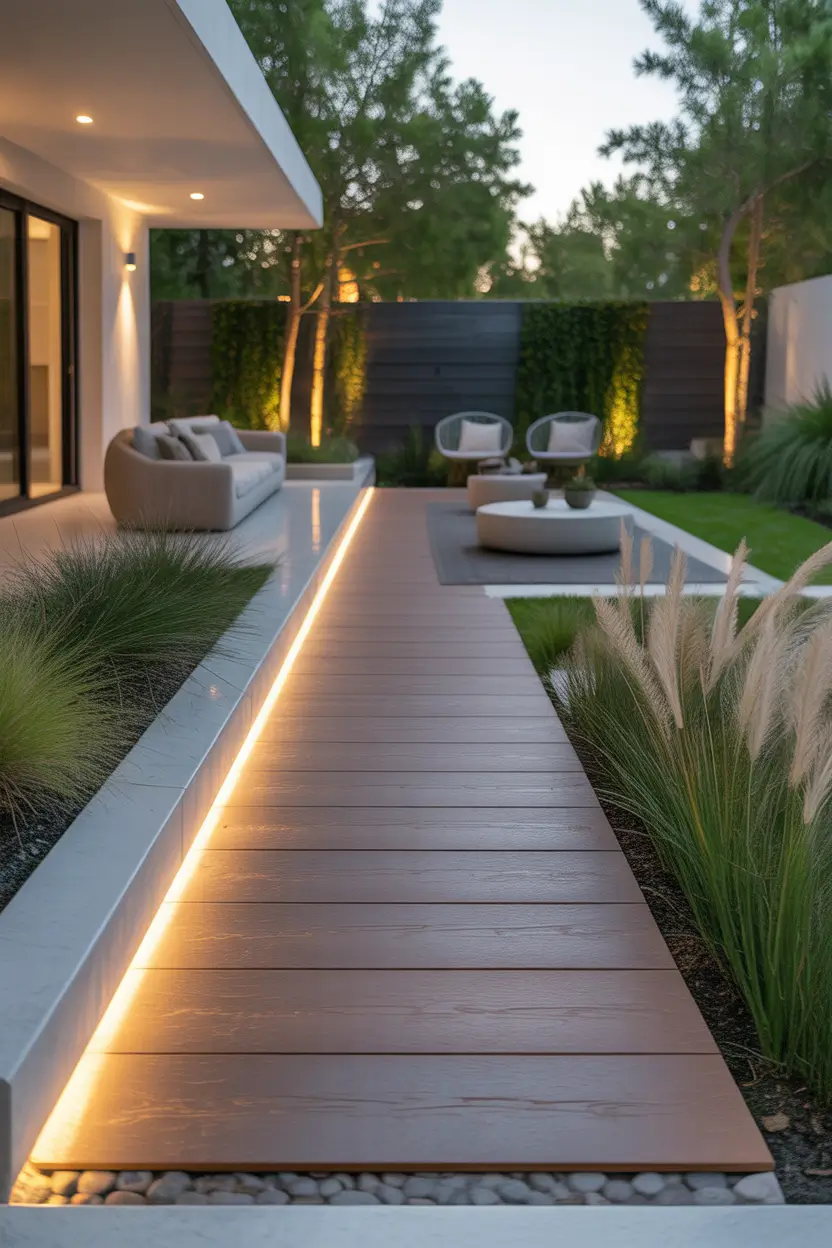
When I design this type of pathway, I focus on plank-style concrete sections with realistic grain texture and subtle color variation. I usually pair the path with raised planters, ornamental grasses, and neutral-toned outdoor furniture to reinforce cohesion. Integrated lighting between “planks” enhances evening usability while emphasizing the linear rhythm of the design.
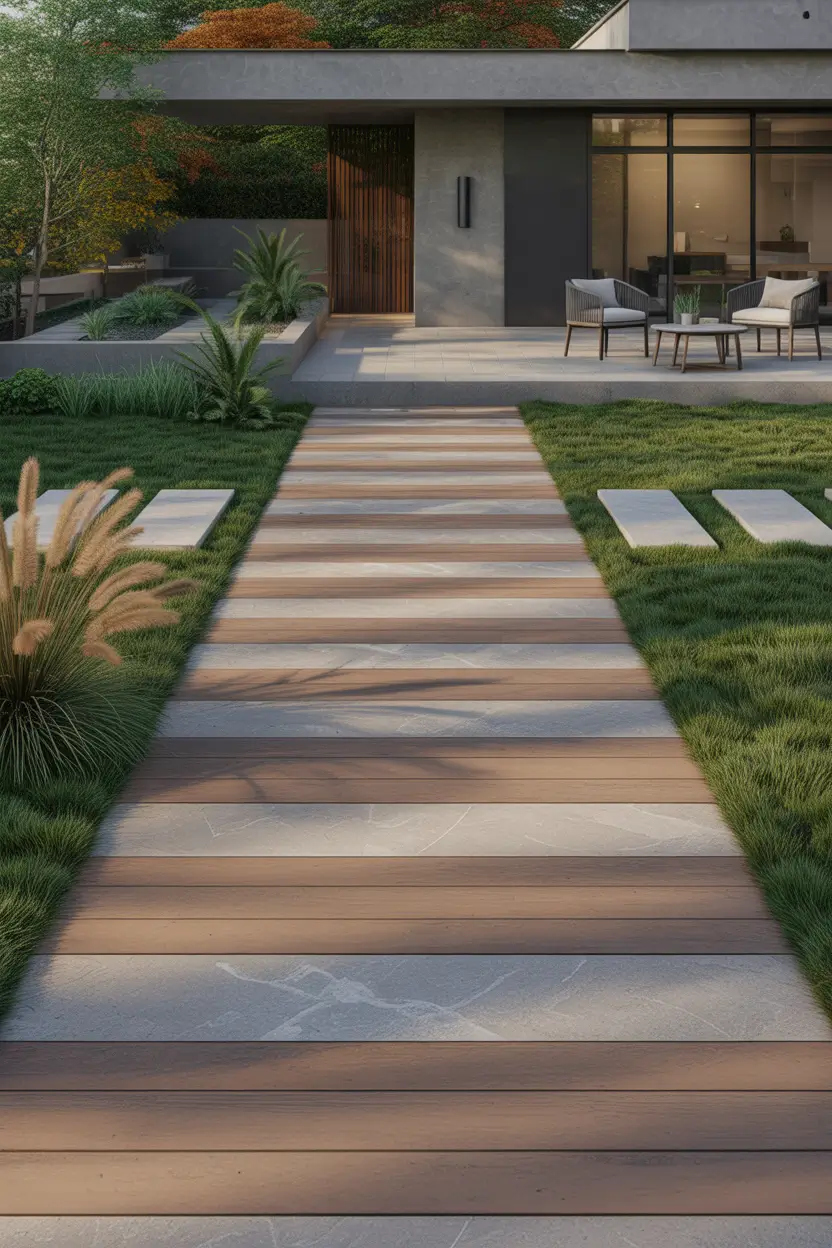
From my experience, clients appreciate how this solution balances practicality and aesthetics. Landscape professionals featured in HGTV outdoor renovations frequently emphasize low-maintenance materials as a priority for modern homeowners, and this path responds perfectly to that need. It delivers visual warmth while eliminating constant sealing or replacement.
What I would add here is surrounding planting that mimics forest edges or meadow grasses. Without organic softness nearby, the path risks looking too structured despite its natural appearance.
Romantic Flower Garden Path
The romantic Flower garden path focuses on abundance and emotional atmosphere, which continues to gain popularity within garden path design 2026. I design these Pathways to feel immersive, allowing visitors to walk through color rather than simply alongside it. A slightly Curved alignment helps create intimacy and reveals the garden gradually.
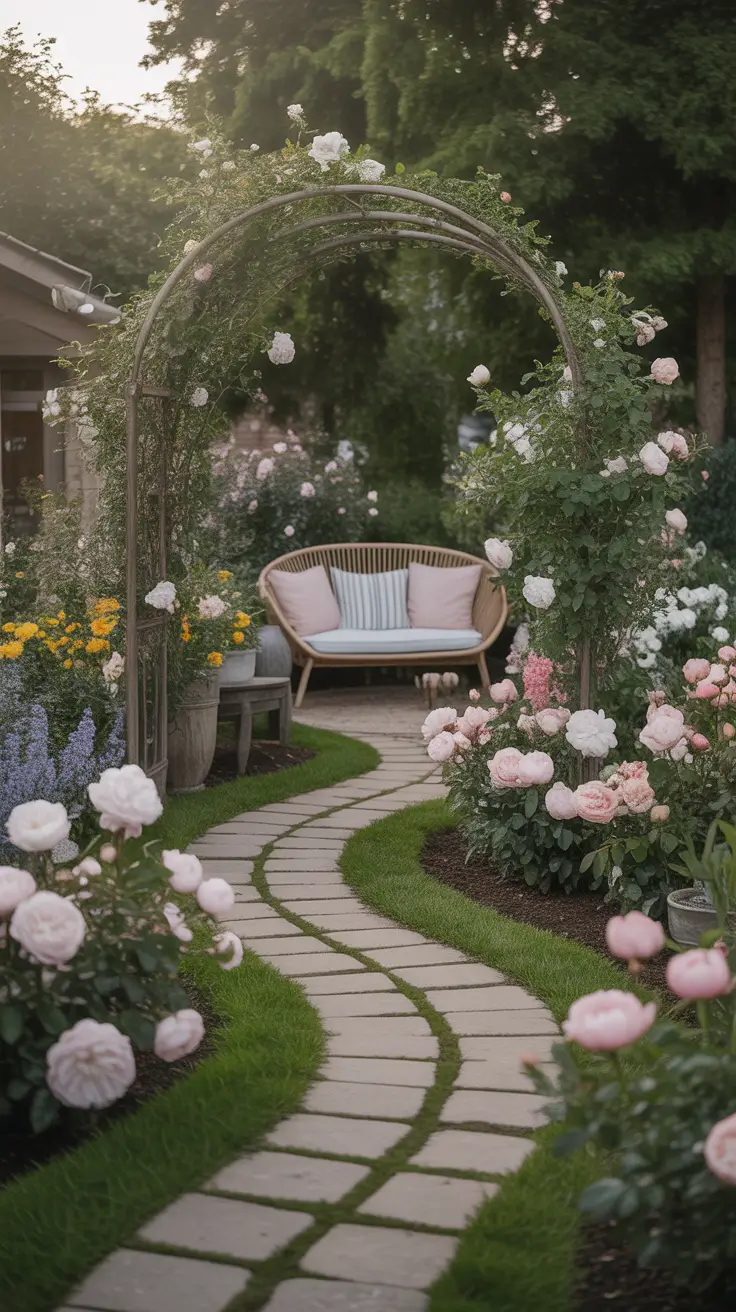
I usually combine brick or natural stone pavers with layered planting: roses, peonies, climbing vines, and seasonal blooms. Arches, trellises, and small seating corners transform the path into an experience rather than a transition zone. Soft textures and overlapping plants intentionally blur edges, creating a lived-in garden aesthetic.
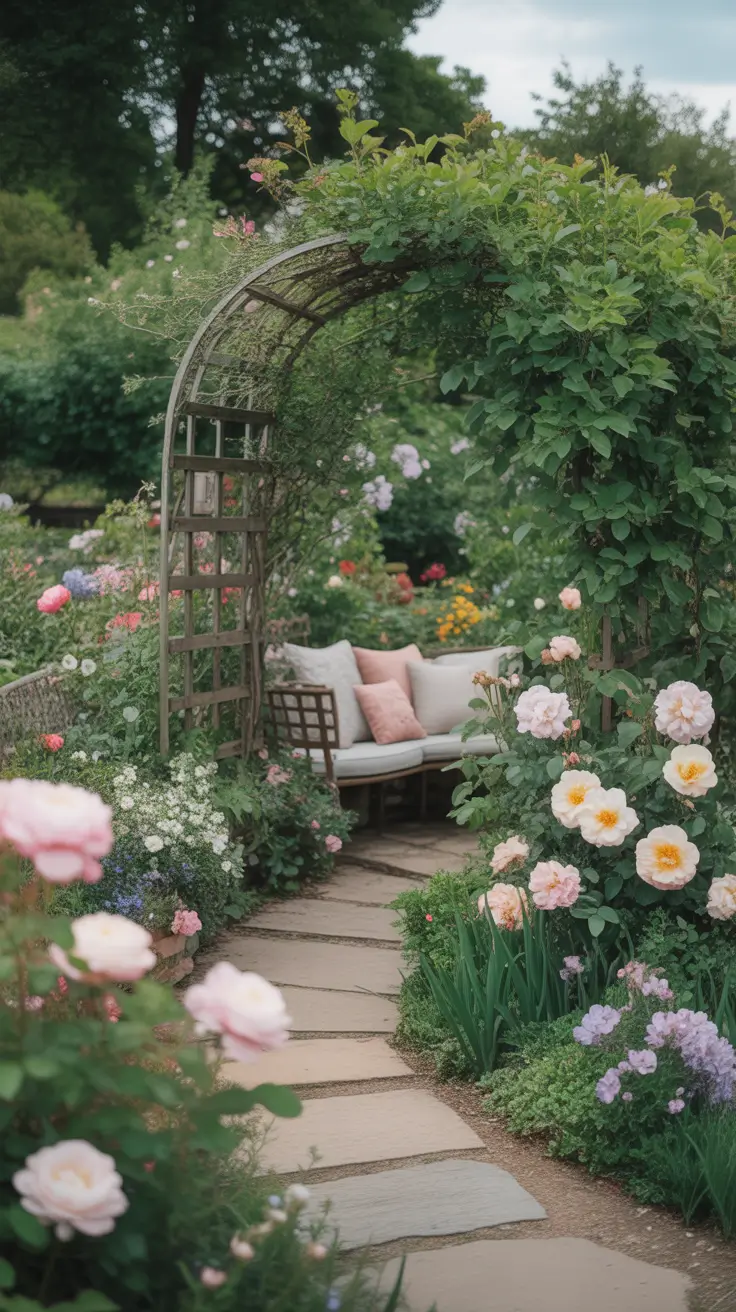
Personally, I believe this style succeeds because it connects people emotionally to nature. Editors at Better Homes and Gardens often highlight that layered planting creates depth and romance in outdoor spaces, and I consistently see how clients linger longer in gardens designed this way.
To strengthen this section, I would include irrigation planning. Dense flower gardens require thoughtful watering systems to maintain beauty without increasing maintenance stress.
Zen Stepping Stone Path
The Zen stepping stone path simplifies movement while maintaining strong symbolism, making it an essential variation within garden path design 2026. Inspired by Japanese traditions, the spacing between stones encourages slower walking and mindful awareness of surroundings. This design works particularly well in compact gardens where space must feel intentional.
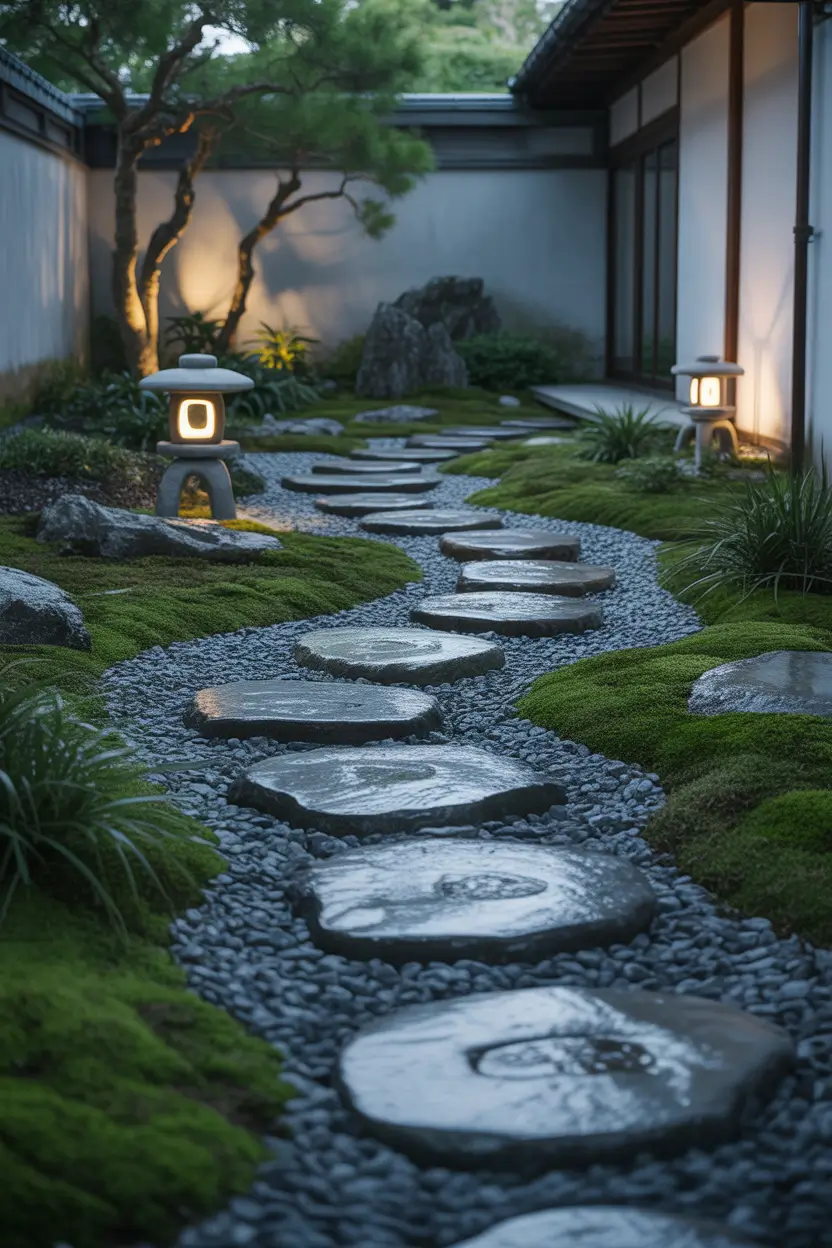
I place irregular natural stones across moss, gravel, or low ground cover to soften transitions. Minimal planting, subtle Rock accents, and restrained color palettes preserve the calm atmosphere associated with Zen environments. Low lantern lighting or hidden LEDs enhance usability while keeping the mood tranquil.
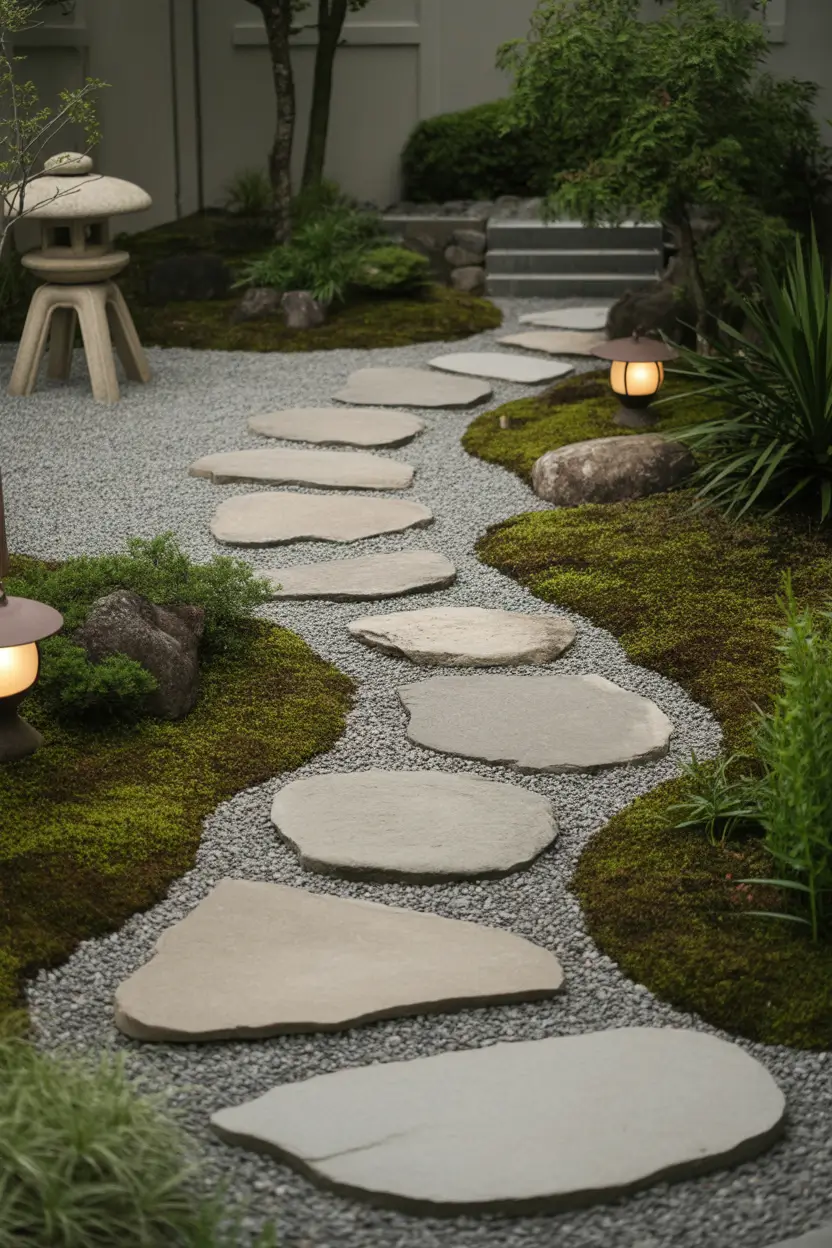
In my own projects, I have noticed that people instinctively slow down when walking across stepping stones. Landscape experts often discuss how pacing influences perception of space, and stepping paths naturally create rhythm without additional decoration.
If anything is missing, it is a defined destination point. A bench, sculpture, or small tree at the end of the path gives purpose to the journey and completes the spatial narrative.
Coastal Style Garden Path
A coastal-inspired path introduces lightness and openness, offering a refreshing interpretation of garden path design 2026. Even outside seaside regions, I use this style to create relaxed outdoor environments that feel breezy and informal. Straight or gently Curved Pathways help connect patios, lawns, and lounging zones effortlessly.
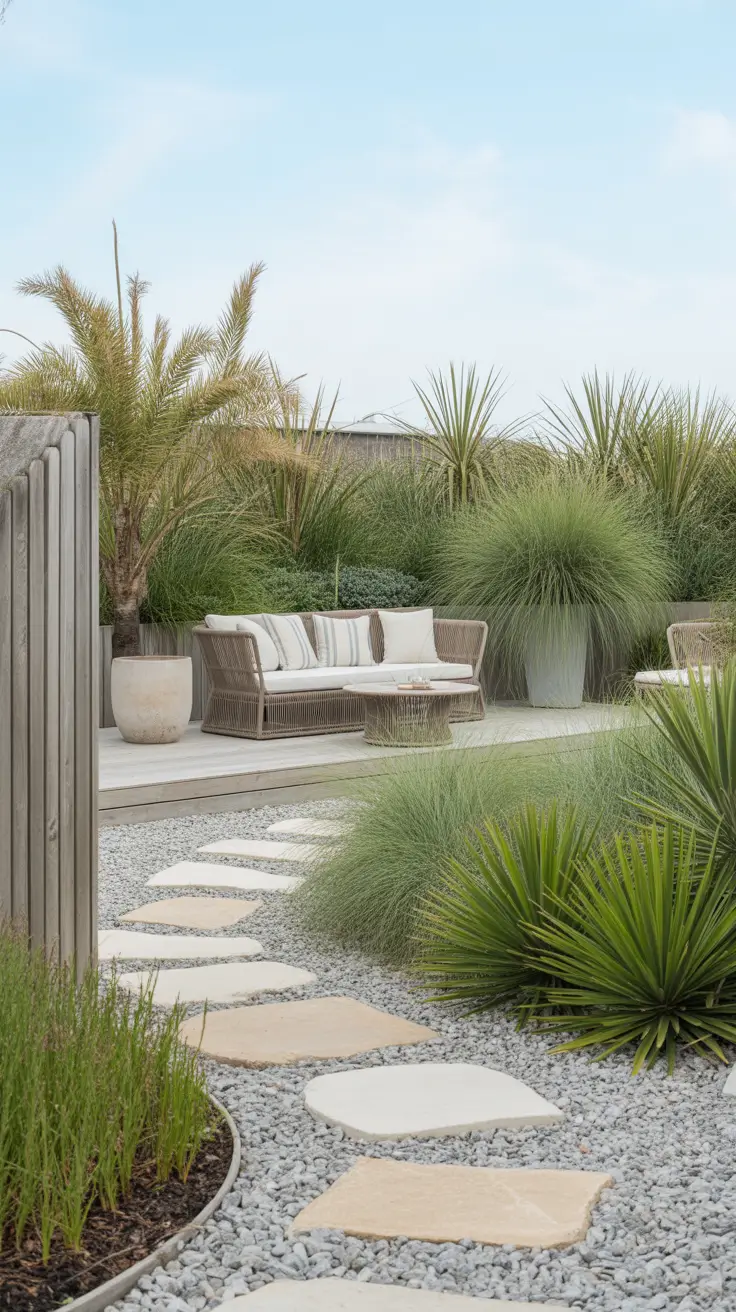
Materials typically include pale stone, sandy gravel, weathered wood accents, and drought-tolerant planting such as grasses and lavender. I often add outdoor lounge furniture, woven textures, and ceramic planters to reinforce the coastal atmosphere while keeping the design practical.
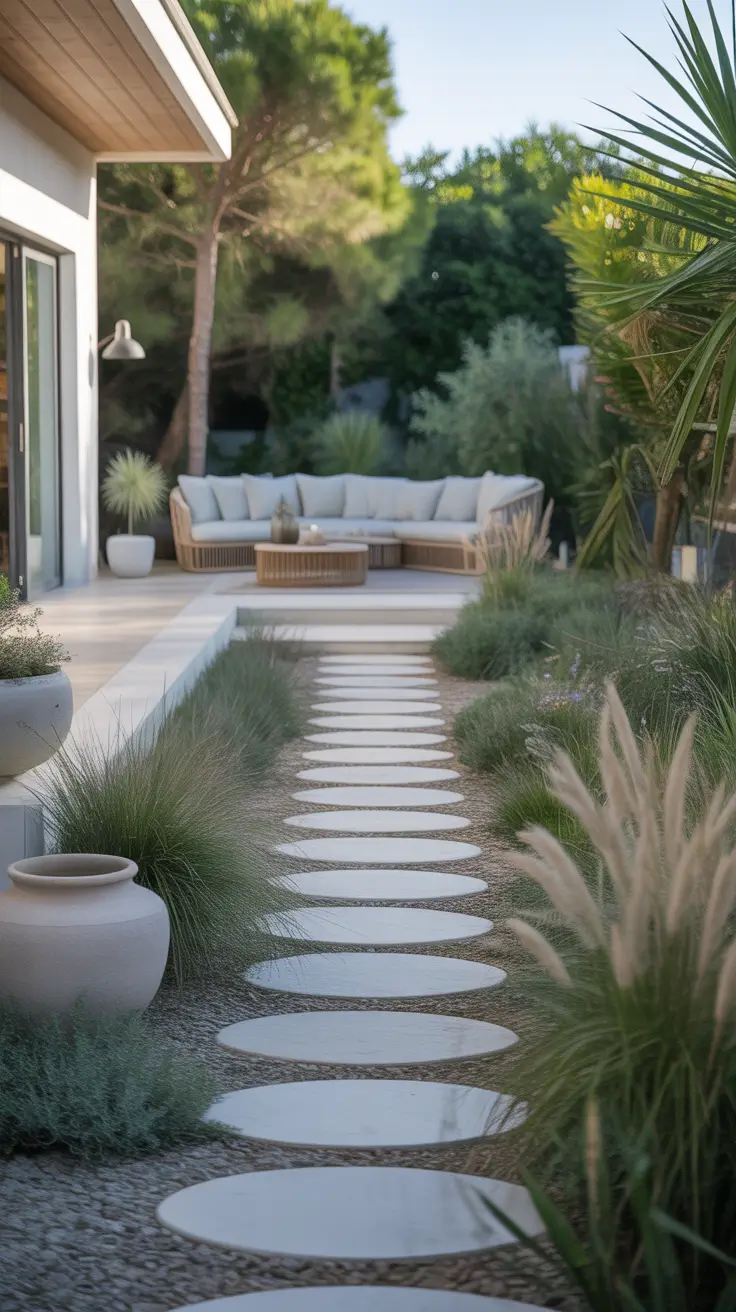
From my perspective, this style works because it prioritizes comfort over perfection. Designers featured in Coastal Living magazine frequently emphasize casual elegance, and I find that clients respond strongly to spaces that feel effortless rather than overly styled.
To complete the design, I would add wind-resistant planting and subtle shade structures to improve usability during hot summer months.
Geometric Modern Pathway
The geometric pathway reflects architectural precision and represents one of the boldest expressions of garden path design 2026. Instead of blending into nature, this Layout intentionally contrasts with it, creating a strong visual statement often used in contemporary homes.
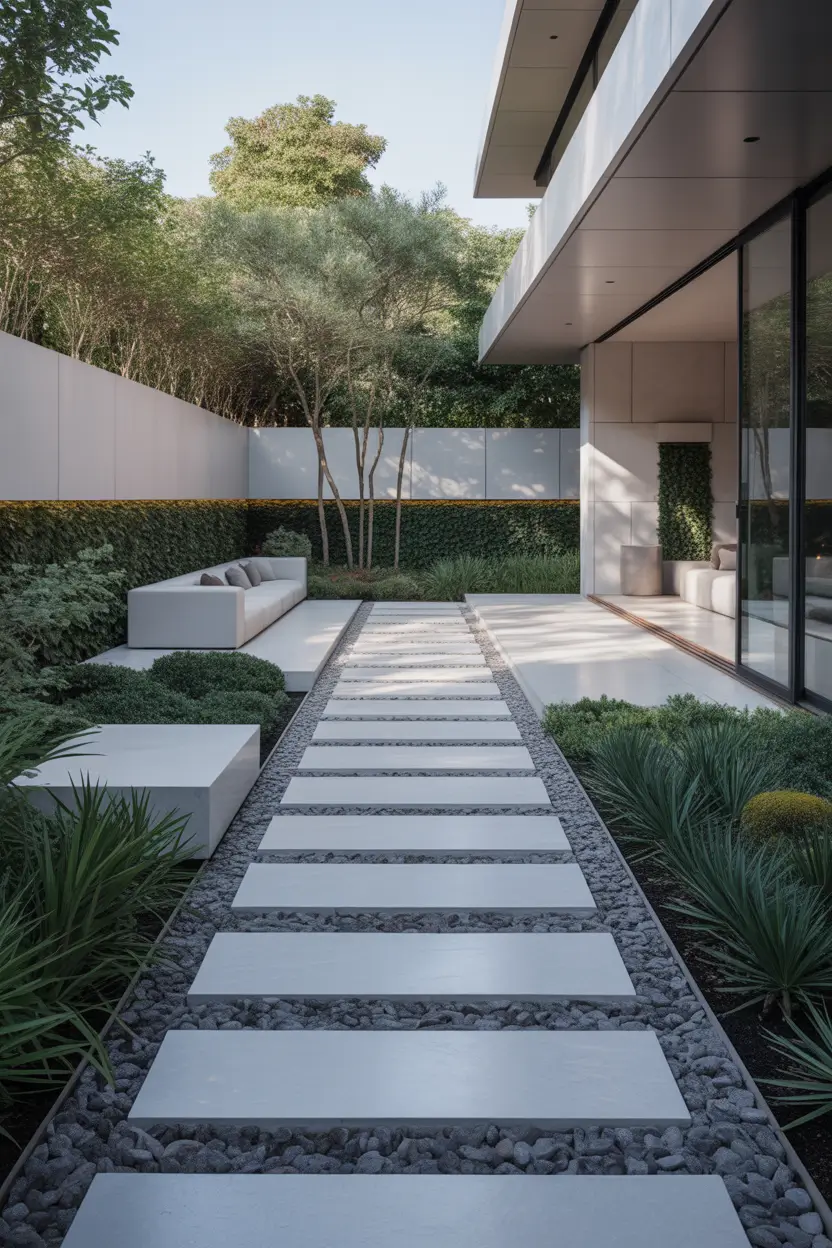
I design geometric paths using repeating shapes such as squares, rectangles, or hexagonal pavers combined with gravel or grass joints. Sculptural planters, linear lighting, and minimalist seating reinforce the structured aesthetic. Neutral palettes allow texture and shadow to become the main decorative elements.
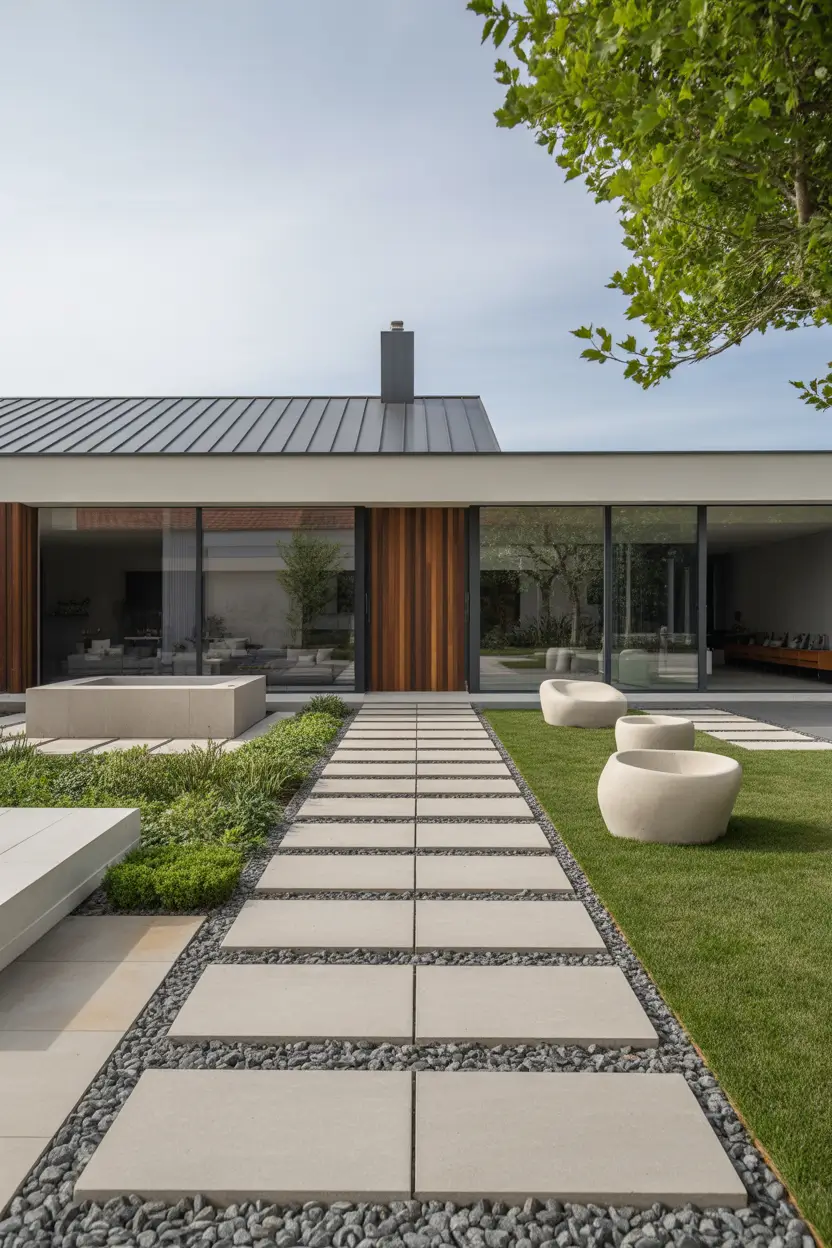
In my experience, geometric designs appeal to homeowners who appreciate order and clarity. Publications like Dwell consistently highlight structured landscaping as an extension of modern architecture, and I see how aligning outdoor lines with the home’s façade creates visual harmony.
What I would refine further is adding soft planting zones around the edges. Without natural contrast, geometric paths can feel too rigid, so greenery is essential for balance.
ACNH Zen Garden Path
The Acnh zen garden path blends gaming inspiration with real-world landscaping, showing how Animal crossing aesthetics influence garden path design 2026. This design combines calm Zen principles with playful arrangement, creating a peaceful yet approachable outdoor environment.
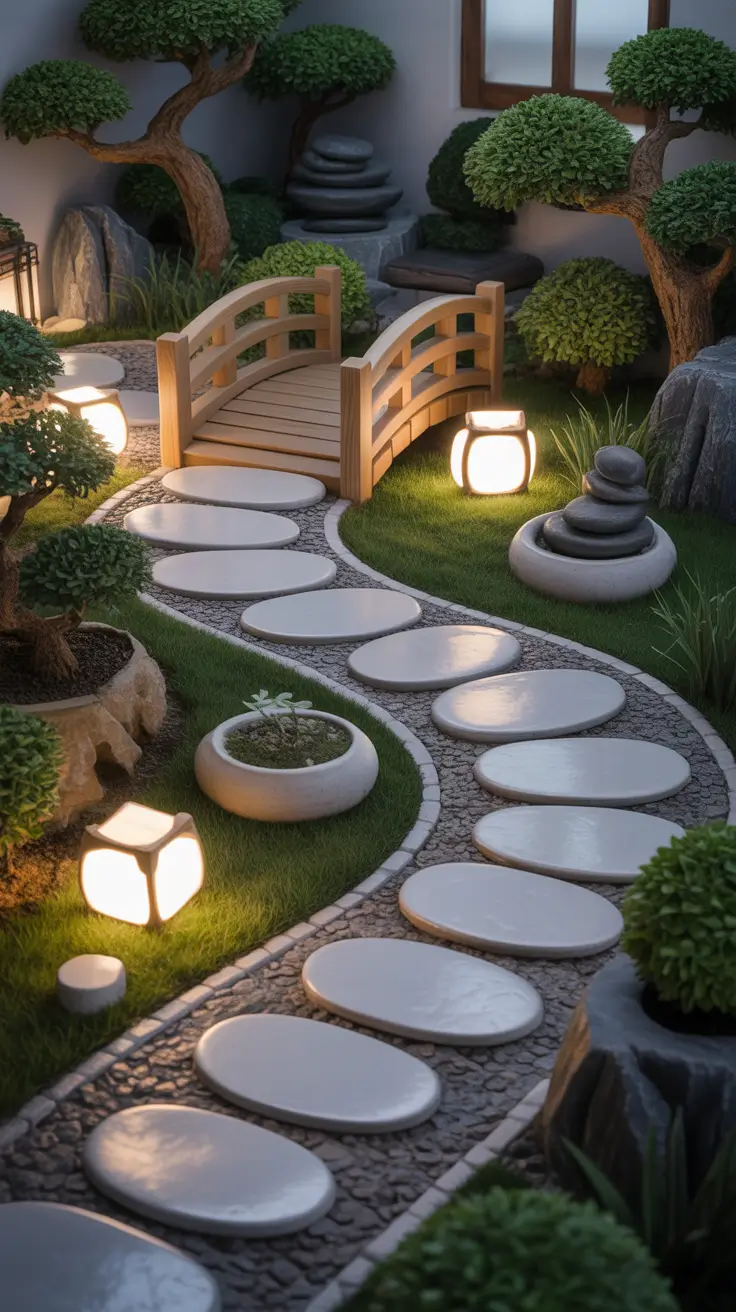
I typically include small stone paths, decorative lanterns, miniature bridges, bonsai-style plants, and carefully placed Rock elements. Layered textures and gentle asymmetry mirror island designs from Acnh, while still functioning as practical walking routes.
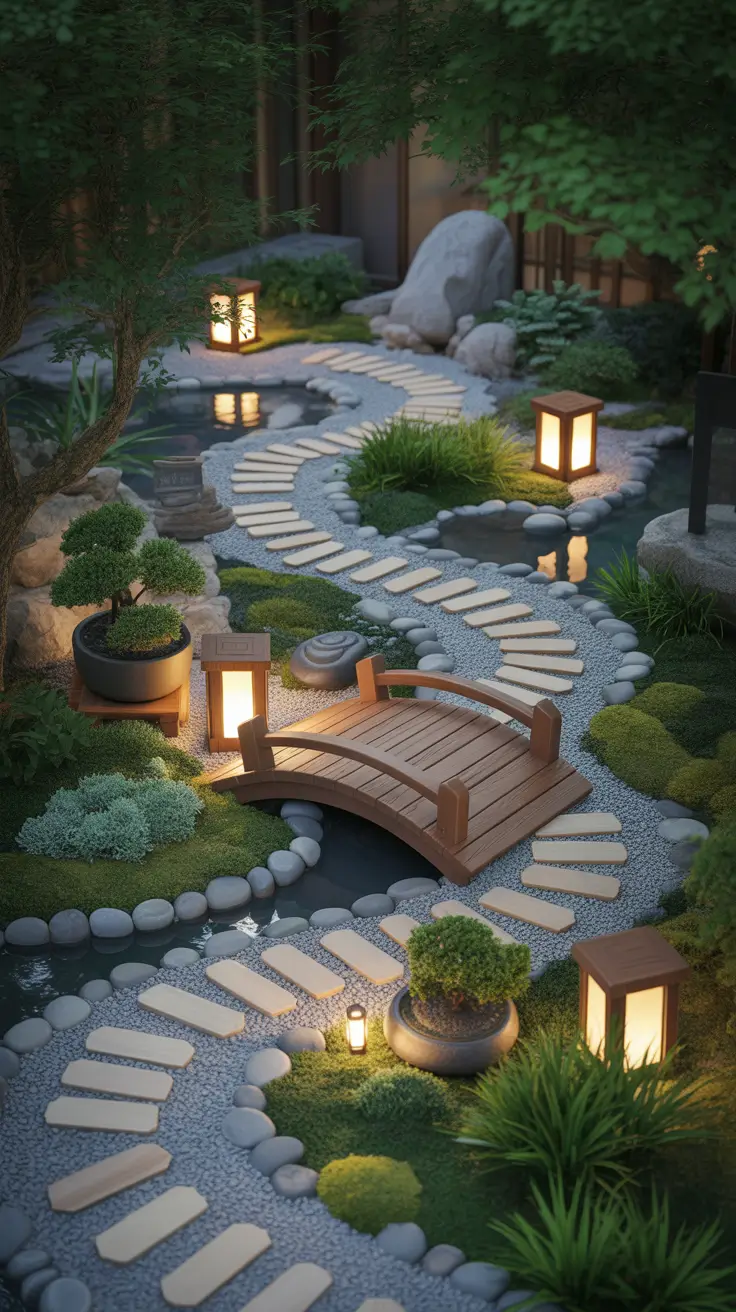
Personally, I find this style especially engaging for younger homeowners or creative families. The crossover between digital creativity and physical gardening encourages experimentation, allowing people to Grow a garden that feels personal rather than traditional.
To improve usability, I would integrate hidden storage or subtle seating areas so the space supports relaxation, not just visual storytelling.
Rustic Brick Cottage Path
The rustic brick Cottage path closes our exploration of garden path design 2026 with timeless charm. I design these Pathways to feel established and welcoming, as if they have existed for decades. Slightly uneven alignment and warm tones create authenticity that modern materials often lack.
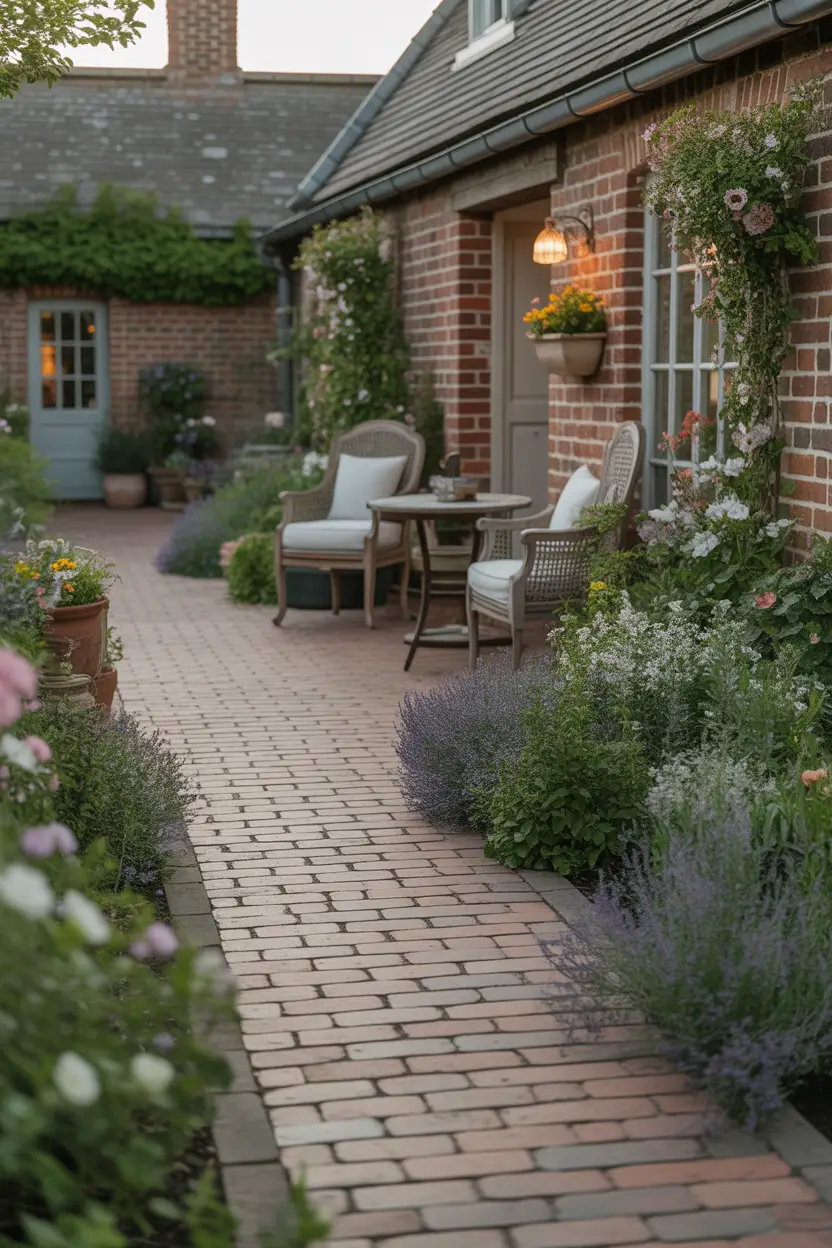
I prefer reclaimed or tumbled bricks laid in herringbone or running bond patterns. Surrounding Flower beds, climbing vines, and vintage-style garden furniture strengthen the nostalgic atmosphere. Brick edging helps contain planting while reinforcing durability.
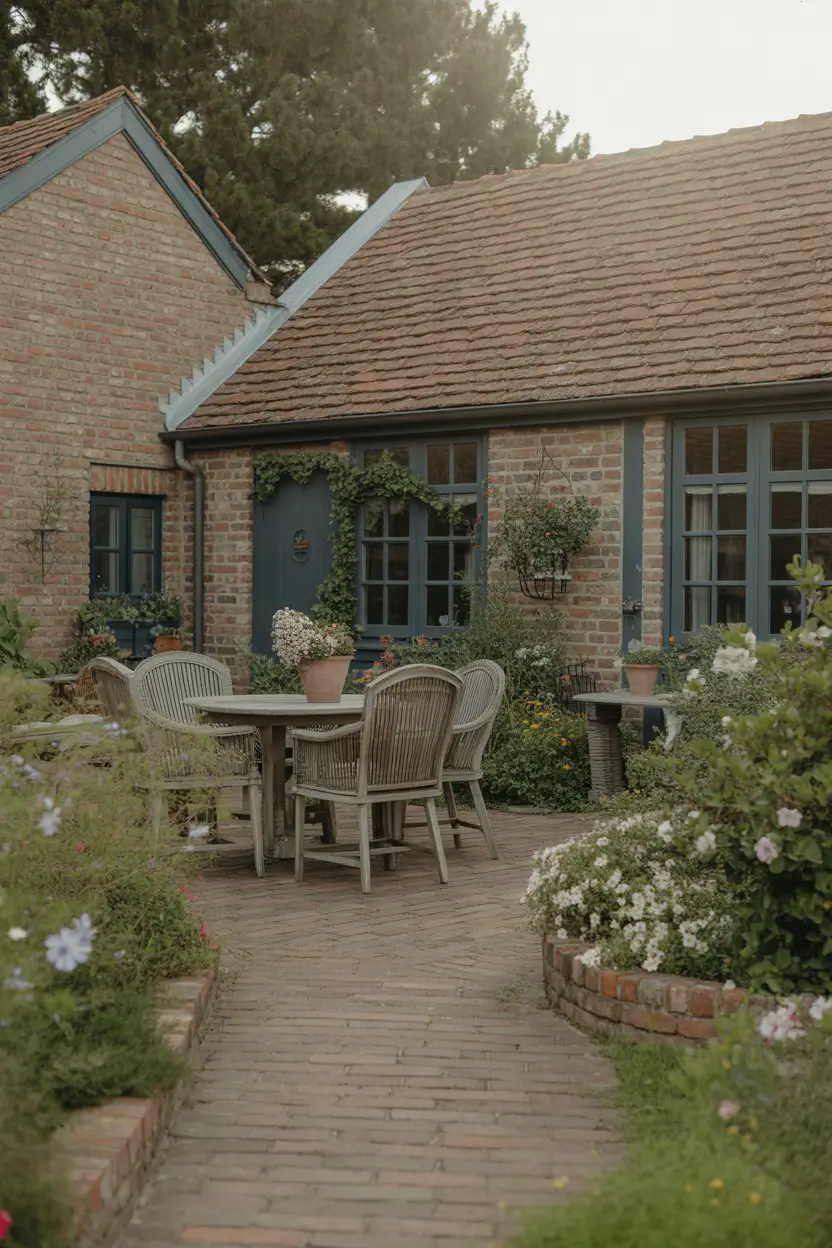
From my experience, rustic paths age beautifully, which makes them emotionally appealing. Landscape designers often emphasize that materials improving over time create stronger long-term satisfaction, and brick achieves exactly that through natural weathering.
What I would add here is subtle lighting integrated between bricks. Evening illumination enhances safety while highlighting texture and craftsmanship.
Desert Inspired Garden Path
I often recommend desert-inspired pathways for homeowners who want beauty with minimal maintenance. In garden path design 2026, this style focuses on breathable spacing, warm tones, and durability. A desert path works especially well in sunny Front gardens where water conservation matters. The structure usually relies on gravel, sand-toned pavers, and gently Curved lines that soften the landscape while maintaining clear navigation.
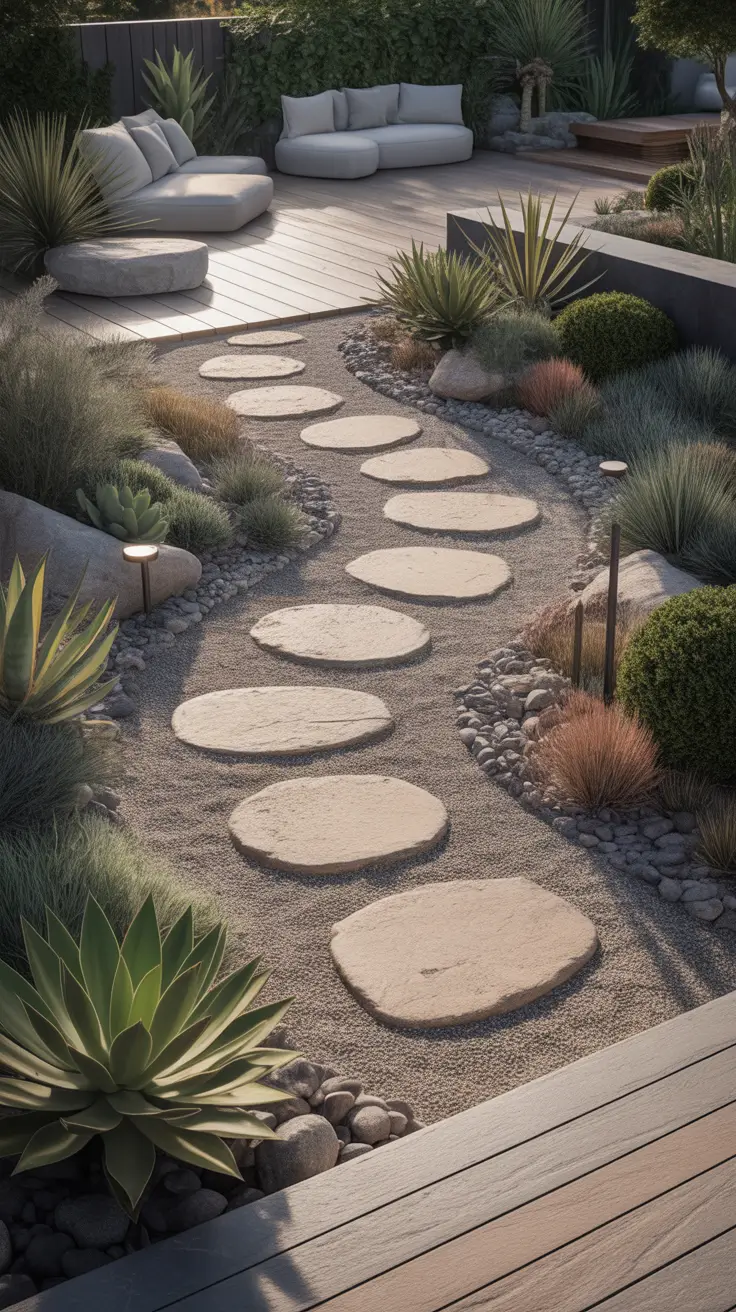
When designing this type of path, I include natural stone slabs, decomposed granite, and drought-tolerant plants placed intentionally along the edges. A mix of sculptural grasses, agave, and small Rock accents creates rhythm without overcrowding the space. I sometimes integrate Wood stamped concrete sections to mimic timber while maintaining longevity, especially in high-traffic Pathways.
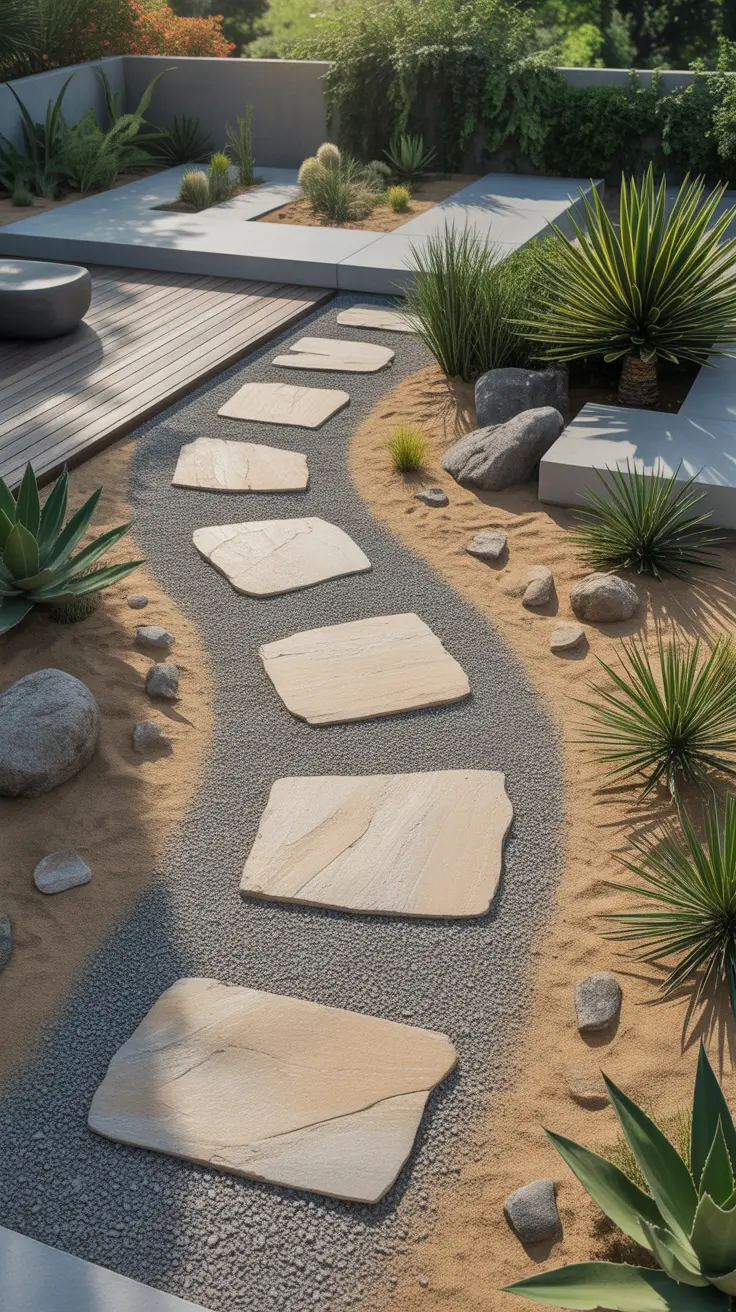
Personally, I love how this design encourages slower movement through the garden. Landscape designers featured in publications like Architectural Digest often emphasize texture layering rather than heavy planting, and I find that advice extremely practical. The simplicity allows every element to breathe while still feeling curated.
What I would add to strengthen this section is low-profile solar lighting and seating stones. These details improve nighttime usability and turn the path into a functional outdoor living feature rather than just a walkway.
Scandinavian Garden Path
The Scandinavian approach aligns perfectly with modern garden path design 2026 because it prioritizes calm, balance, and functionality. I design these paths with clean geometry and muted palettes, creating a peaceful transition between home and garden. The Layout is usually minimal yet intentional, often leading from the patio toward a quiet relaxation zone.
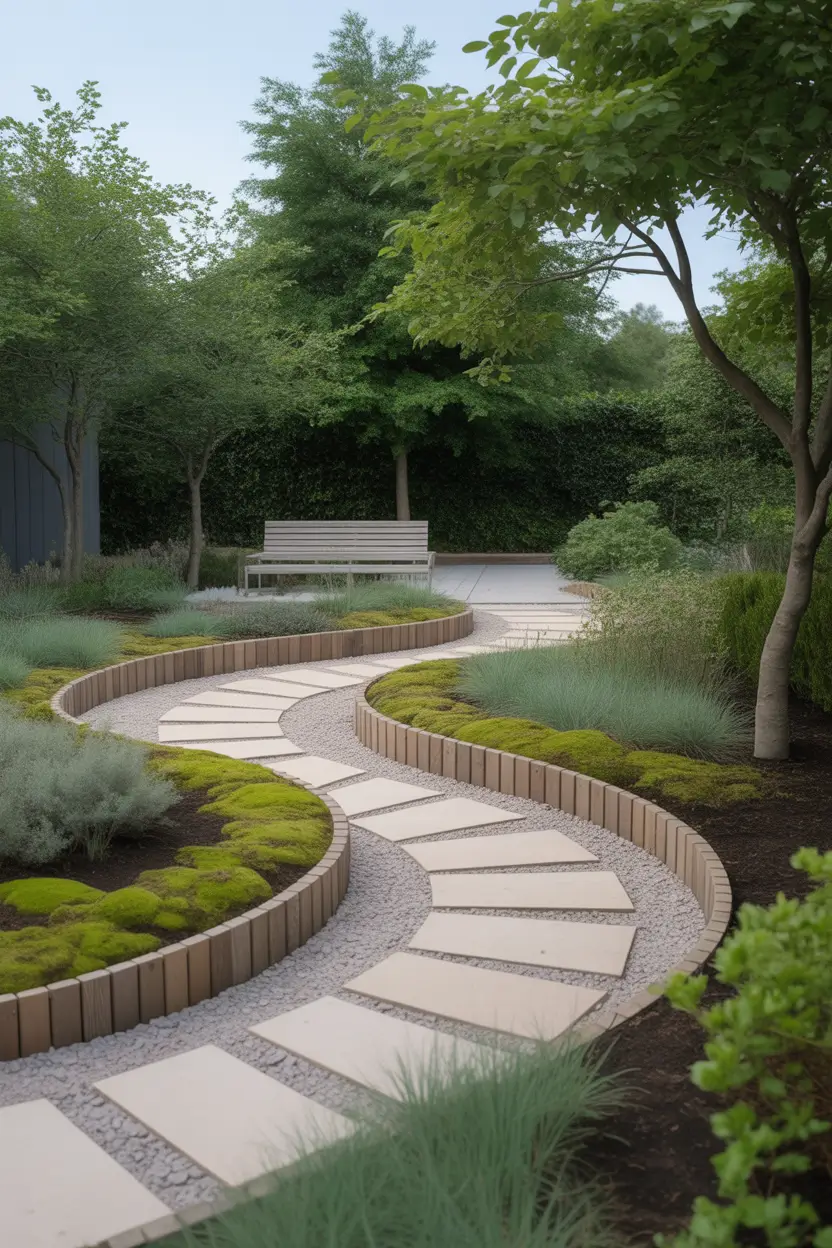
Materials matter greatly here. I rely on pale stone pavers, light gravel, and simple wooden edging to echo Nordic outdoor aesthetics. A restrained planting palette with moss, ornamental grasses, and subtle Flower clusters keeps the focus on space rather than decoration. Small benches or low outdoor furniture pieces are included to support everyday use.
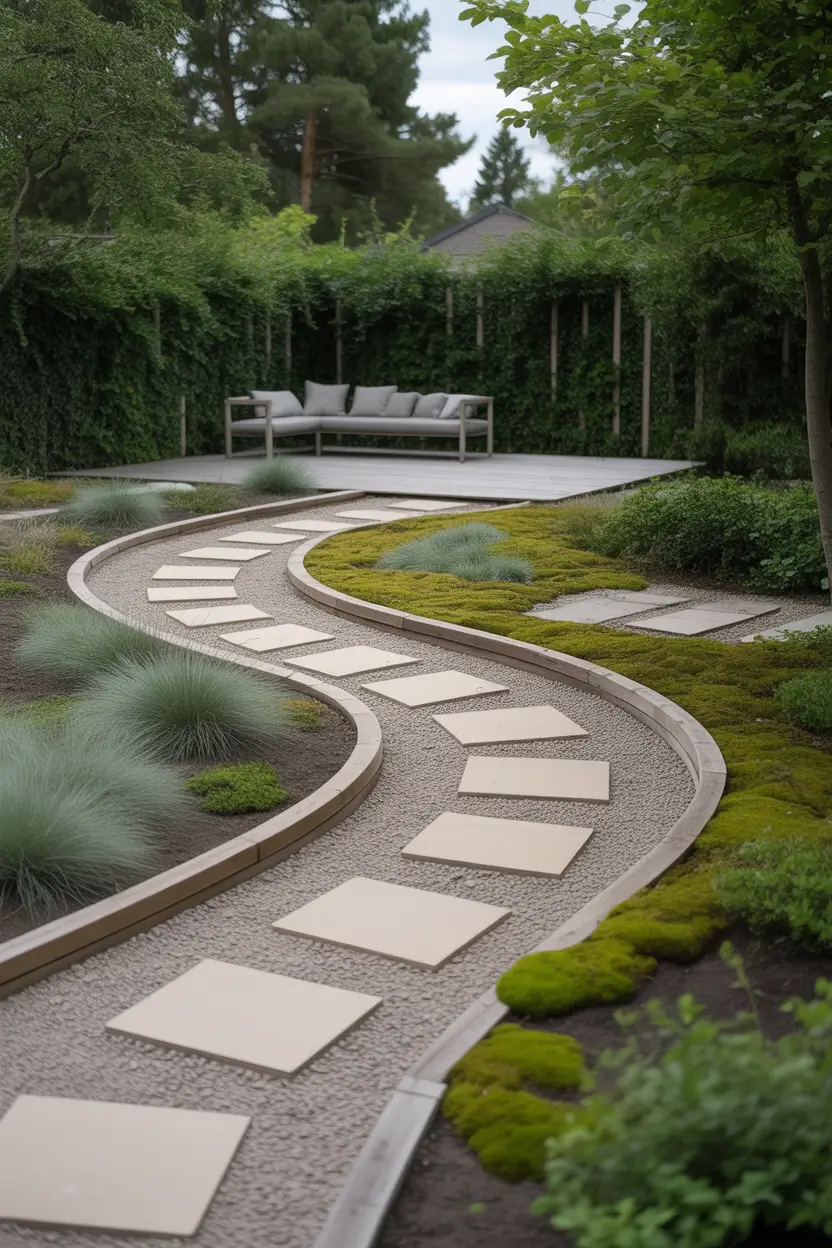
From my experience, Scandinavian paths work best when restraint becomes the design language. Designers frequently cited in Dwell magazine stress that negative space is as important as objects themselves, and I fully agree. Leaving visual breathing room instantly elevates the garden.
To improve this concept further, I would add layered seasonal lighting and weather-resistant textiles to soften the minimalism and make the path feel welcoming year-round.
Rock Mosaic Garden Path
Rock mosaic paths bring artistry into outdoor design, blending craftsmanship with nature. In garden path design 2026, homeowners increasingly want personalization, and mosaic Rock arrangements provide exactly that. I design these paths as focal features rather than background elements, often placing them in transition zones between garden rooms.
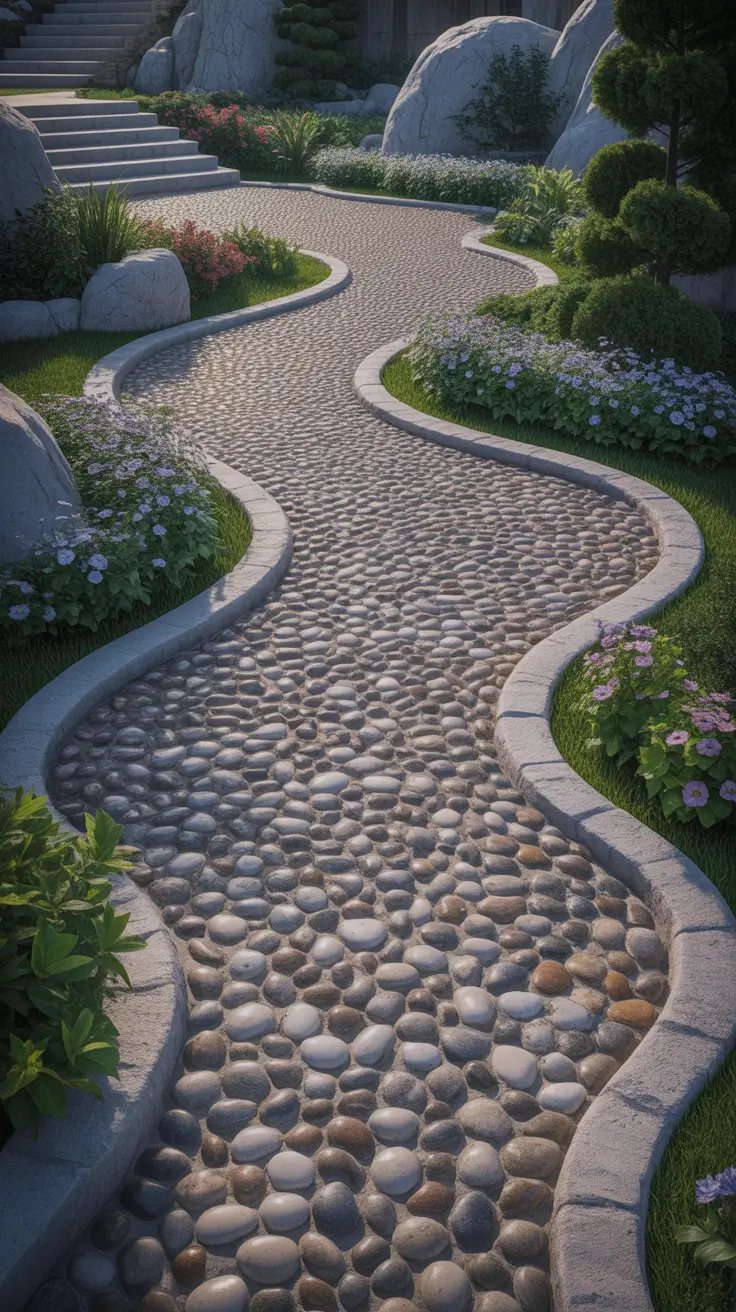
The construction includes carefully arranged pebbles, flat stones, and contrasting textures forming subtle patterns. Inspired partly by Animal crossing and Acnh island creativity, these mosaics can reflect organic waves or geometric layouts. Border planting with low Flower varieties enhances visibility while preventing soil spread onto the path.
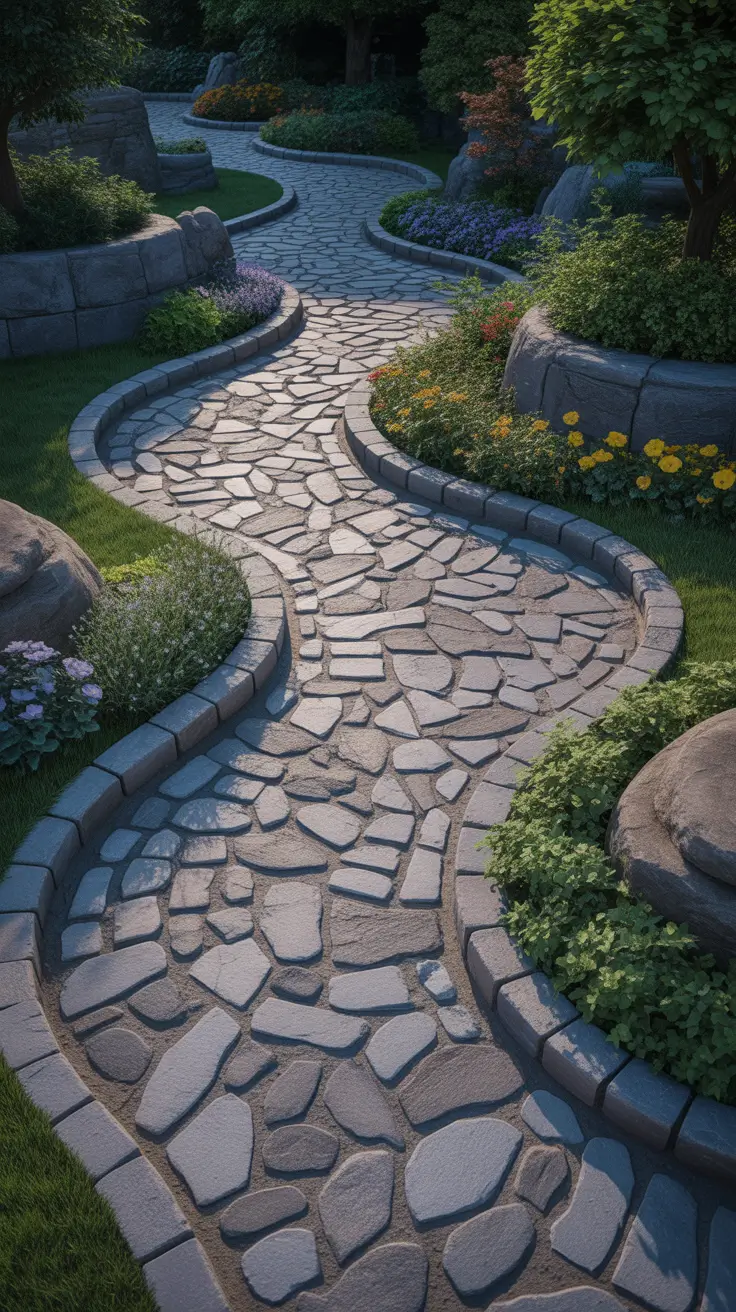
I find these designs deeply satisfying because they age beautifully. Over time, slight weathering enhances authenticity instead of diminishing quality. Landscape professionals often recommend natural materials for longevity, and this is one of the best examples.
What’s often missing is ergonomic planning. I always suggest testing walking comfort during installation to ensure stones are level and safe, especially for families or older users.
Floral Border Garden Path
A floral border path is one of the most timeless Ideas, yet in garden path design 2026 it feels newly relevant thanks to biodiversity-focused gardening. I design these Pathways to guide visitors through layered planting that evolves seasonally, creating movement and color throughout the year.
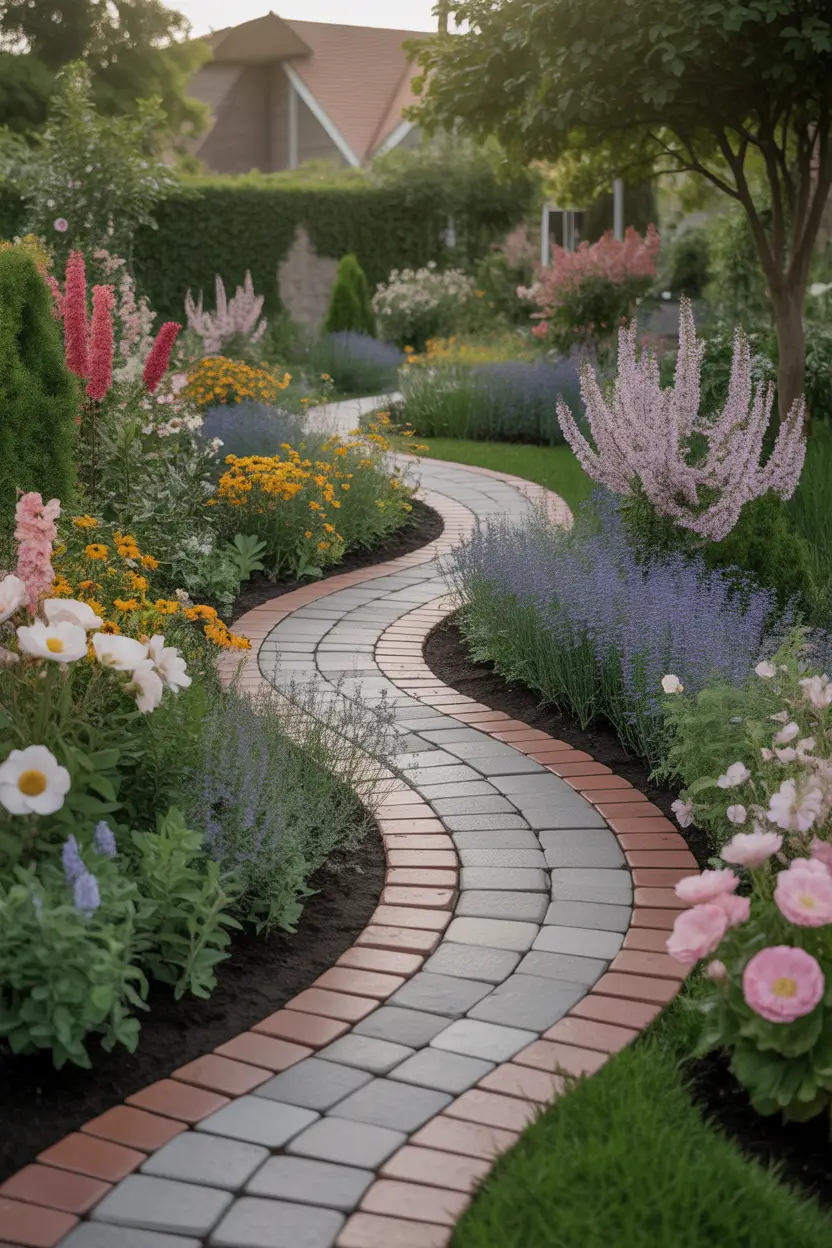
I typically combine compact shrubs, perennial Flower beds, and edging plants that soften hard surfaces. Inspired by Acnh flower gardens and romantic Cottage aesthetics, the path itself may use brick, gravel, or stepping stones. The goal is harmony between structure and abundance rather than strict symmetry.
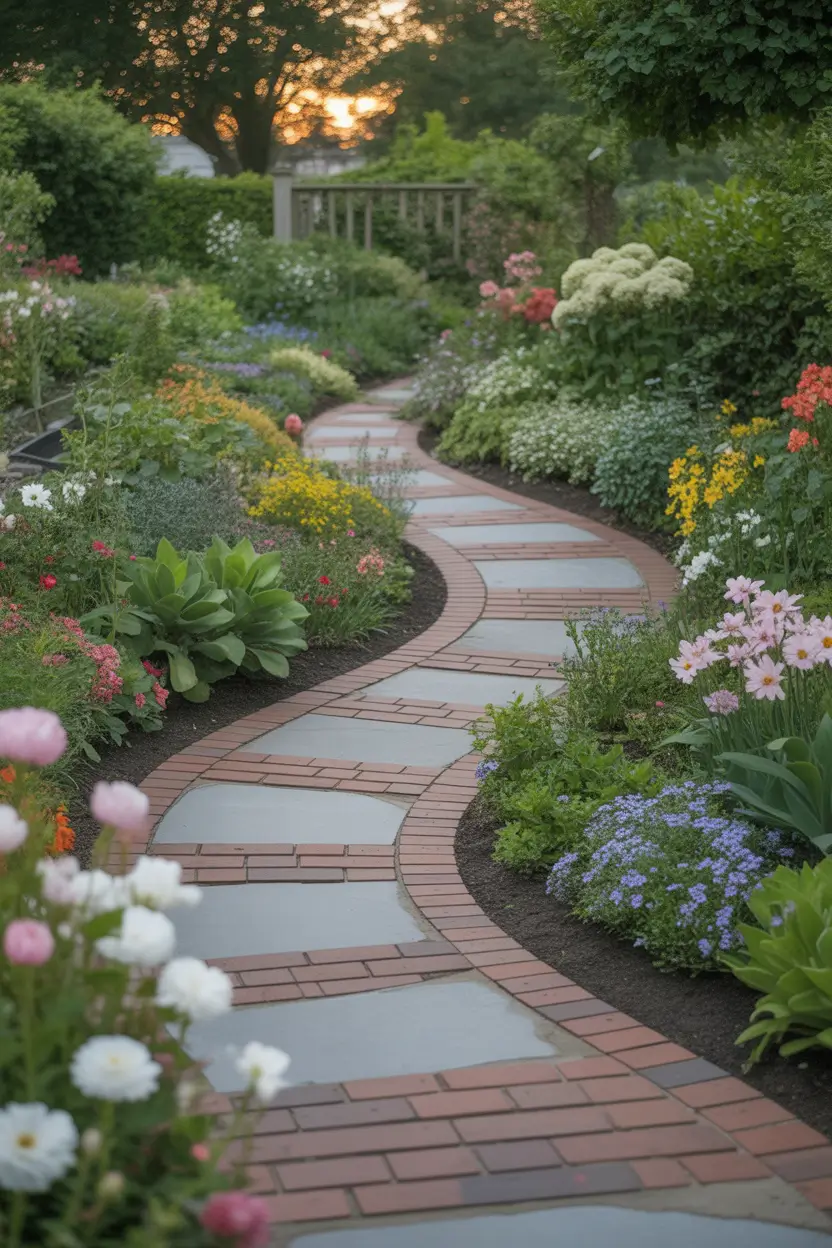
In my own projects, I’ve noticed that clients connect emotionally with this design. Experts from Better Homes and Gardens often highlight that sensory gardens increase outdoor usage, and I see that firsthand when fragrance and texture are introduced along a path.
To enhance practicality, irrigation planning and plant height control should be added early in the Plan. Without this step, even beautiful borders can quickly overwhelm the walkway.
Modern Slate Garden Path
Modern slate paths represent sophistication and clarity. Within garden path design 2026, this style appeals to homeowners seeking architectural precision. I design slate paths with strong linear direction, often connecting modern homes to outdoor lounges or dining zones.
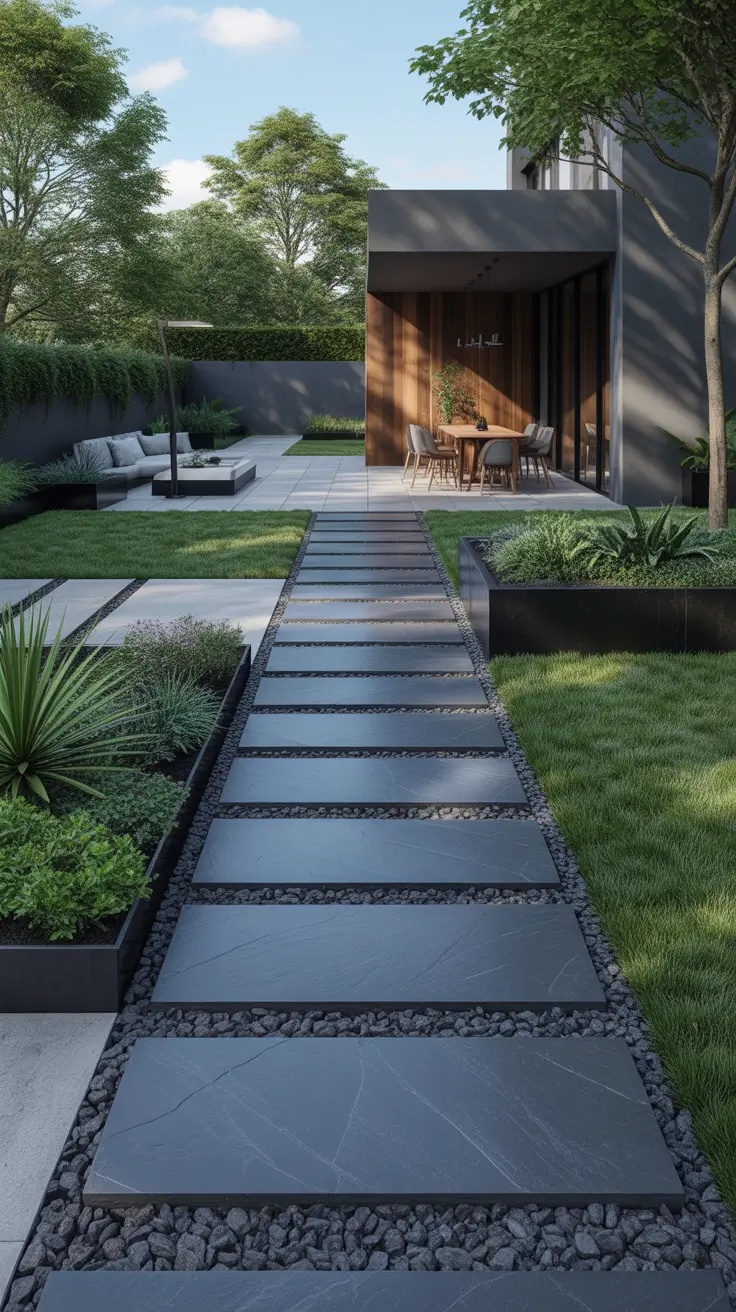
Large slate slabs create visual continuity, while narrow gravel joints allow drainage and flexibility. I frequently pair slate with minimalist outdoor furniture, steel planters, and sculptural lighting to reinforce a contemporary atmosphere. Subtle greenery ensures the design remains warm rather than sterile.
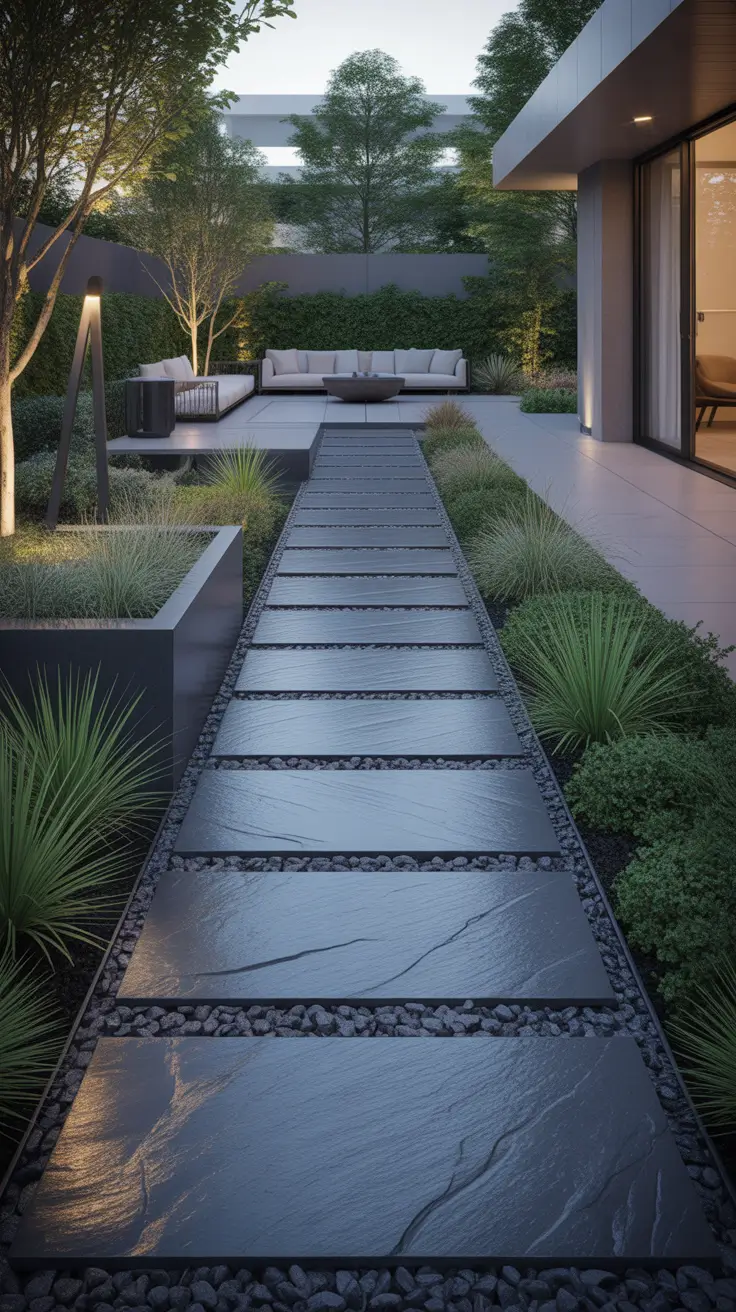
I personally appreciate how slate balances durability with elegance. Many landscape architects featured in Elle Decor recommend using fewer but higher-quality materials, and slate perfectly embodies that philosophy.
Adding integrated seating walls or fire features would strengthen this layout by extending the pathway into a social destination rather than a purely functional route.
Japanese Blossom Garden Path
The Japanese garden path remains one of the most influential styles shaping garden path design 2026. I approach these paths as storytelling elements, guiding visitors through moments of pause and reflection. Gentle curves encourage mindfulness, aligning naturally with Zen principles.
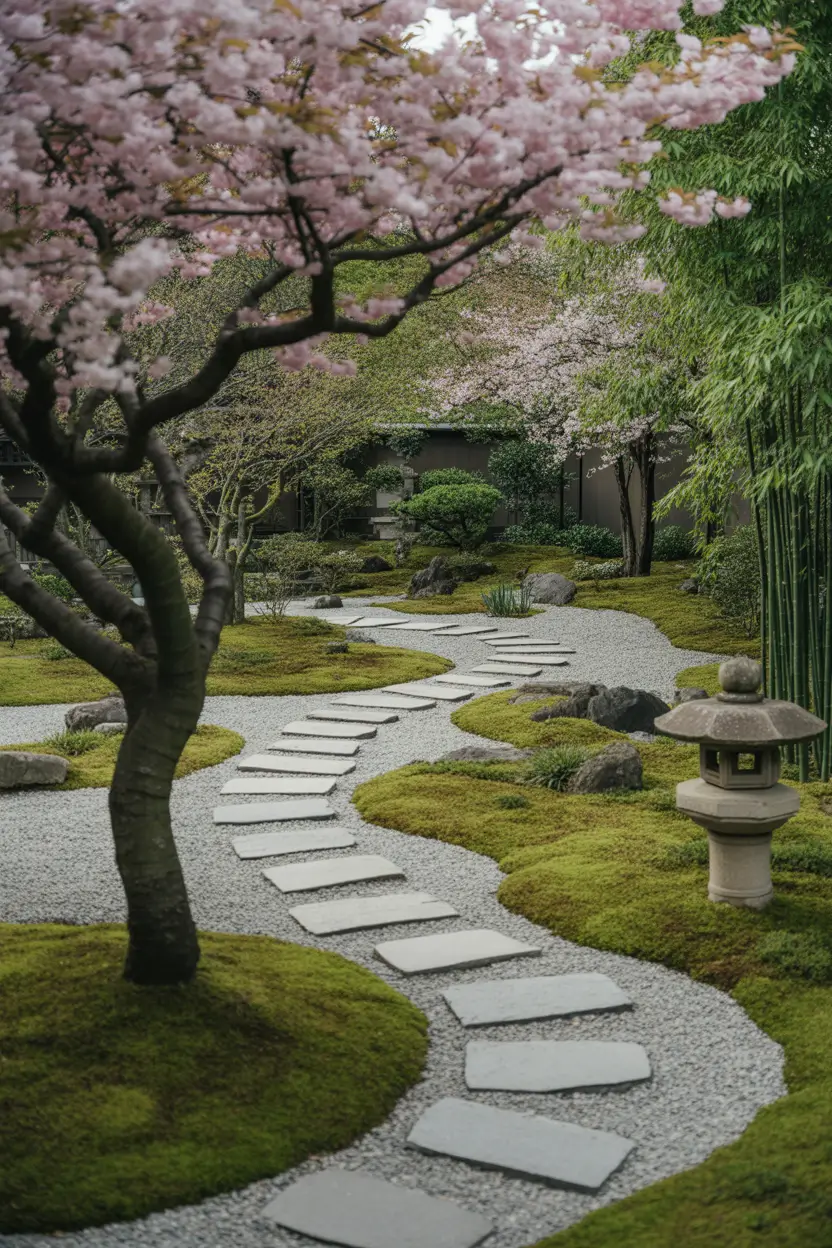
Key elements include stepping stones, moss, gravel beds, and seasonal blossom trees placed strategically to frame views. I often reference Acnh zen inspiration when explaining the concept to clients because the balance between simplicity and emotion is easy to visualize. Lanterns, bamboo accents, and water features complete the experience.
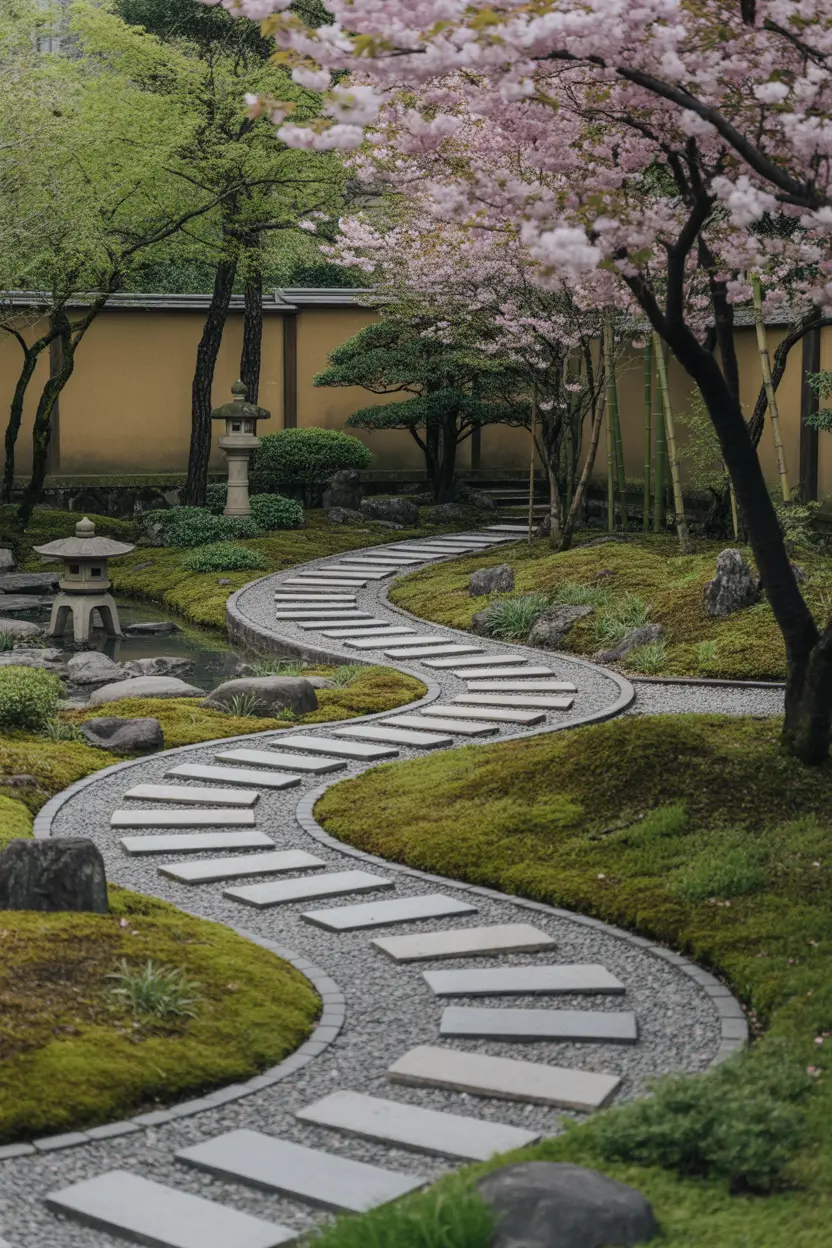
From my perspective, the success of a Zen path comes from restraint. Design publications like Garden Design Magazine emphasize asymmetry and natural imperfection, which I consistently apply to avoid overly staged results.
What I would add here is a clearer seasonal maintenance strategy, ensuring blossoms, moss, and gravel remain balanced throughout the year.
Meadow Style Garden Path
Meadow pathways feel spontaneous yet carefully designed, making them increasingly popular in garden path design 2026. I use this style when clients want a relaxed landscape that still feels intentional. The path gently weaves through grasses and wildflowers, creating immersive movement.
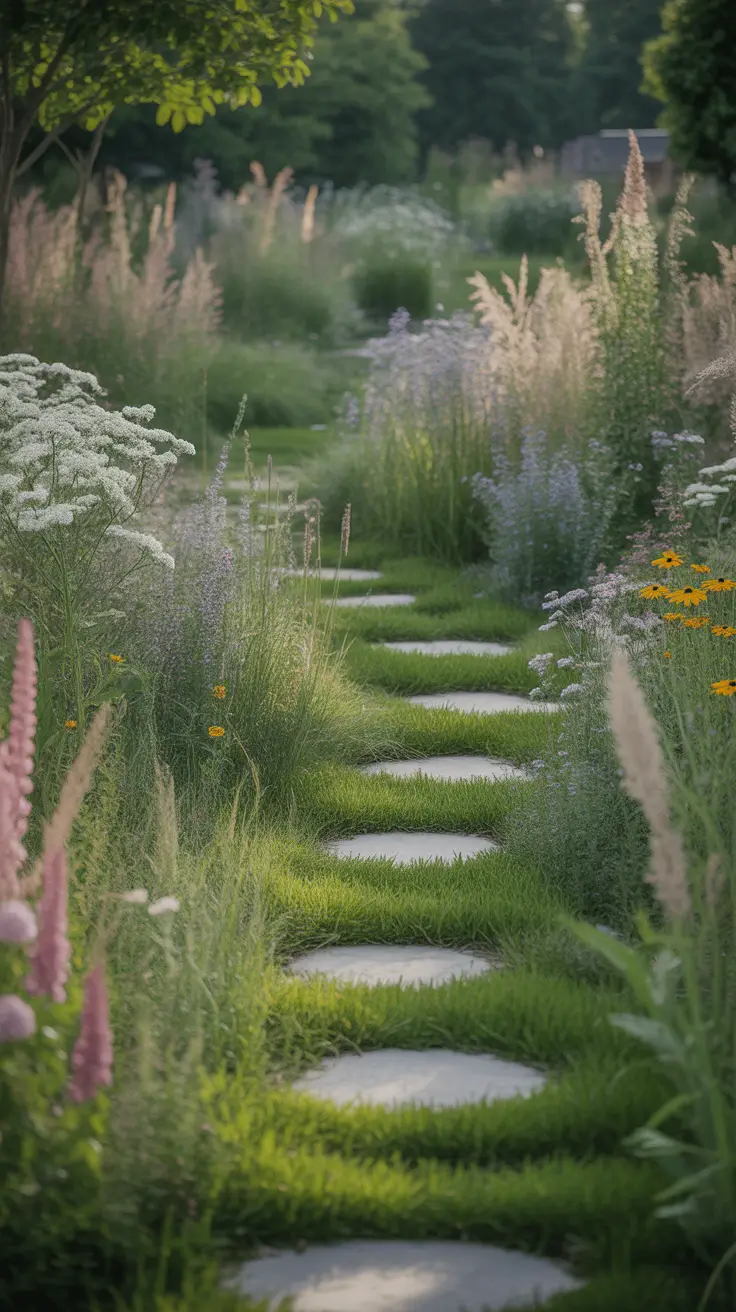
The surface often combines compacted earth, gravel, or stepping stones partially hidden by planting. Inspired by Cottage gardens and naturalistic planting movements, I include pollinator-friendly species to help Grow a thriving ecosystem. The result feels alive rather than decorative.
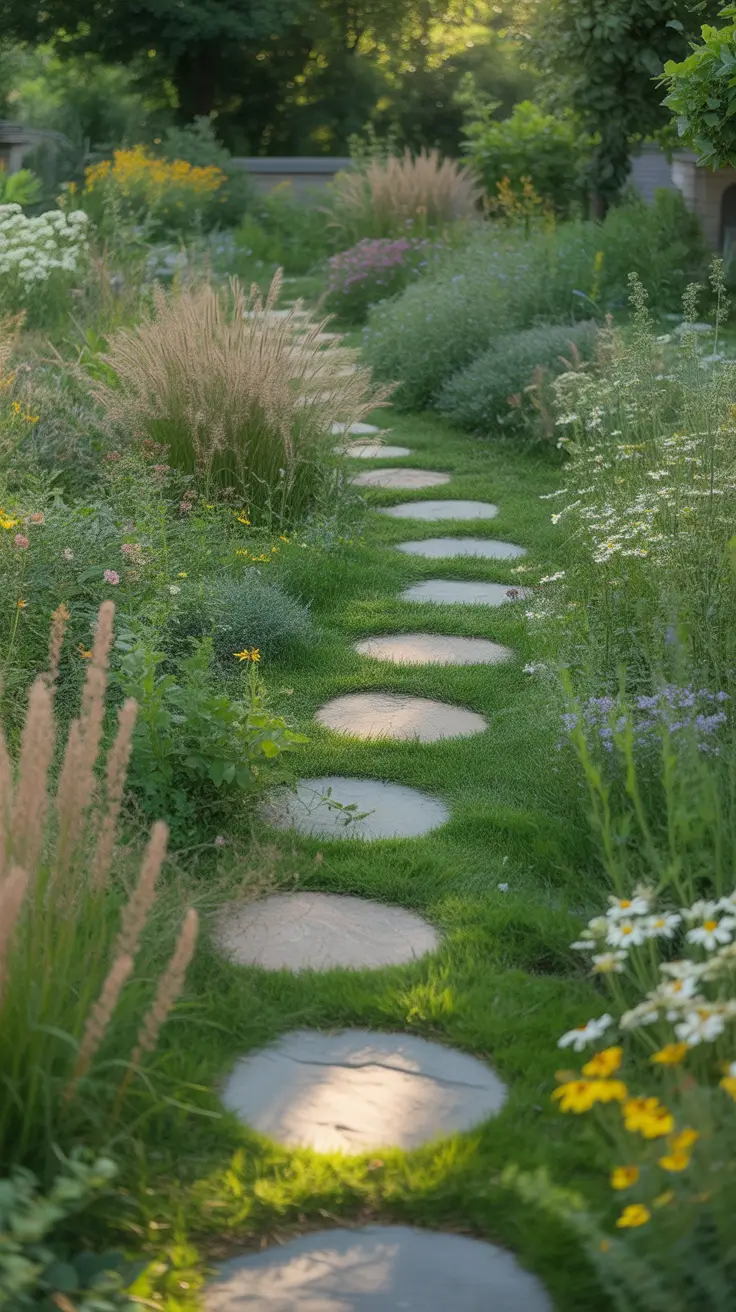
In my experience, meadow paths change how people interact with their gardens. Designers highlighted in The New York Times gardening features frequently note that ecological planting reduces maintenance while increasing visual richness, and I’ve seen that proven repeatedly.
To complete this section, I would introduce subtle edging solutions that maintain path clarity without disrupting the natural appearance.
Elegant Rose Garden Path
I design an elegant rose garden path as a timeless centerpiece that combines romance with structure, which perfectly reflects the direction of garden path design 2026. This type of pathway works beautifully in both Front gardens and private backyard retreats because it creates a clear visual journey while surrounding visitors with layered beauty. I usually plan a gently Curved route that allows roses to gradually reveal themselves, making the walk feel immersive rather than linear.
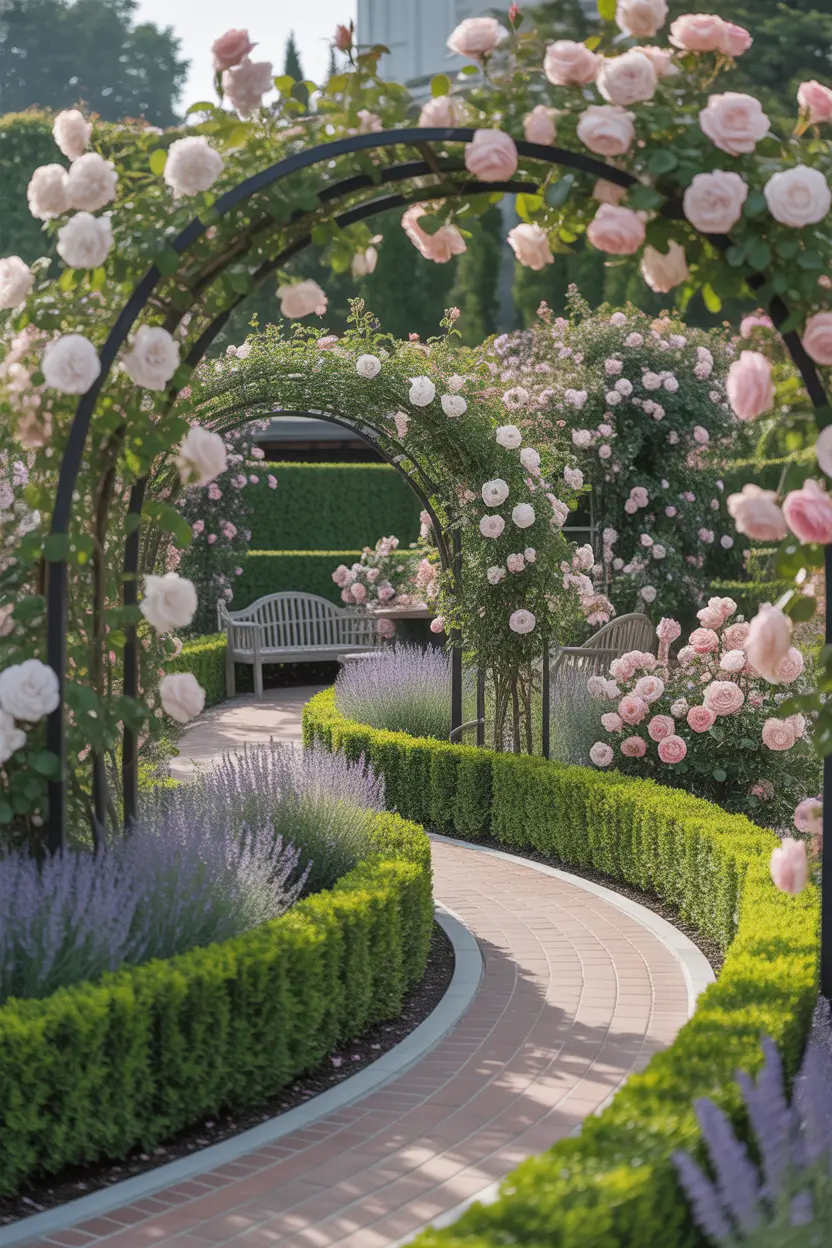
In my projects, I combine classic stone or brick Pathways with symmetrical planting beds filled with climbing and shrub roses. Decorative arches, trellises, and subtle seating areas help define the Layout, while low hedges keep the space organized. I often include companion plants such as lavender and seasonal Flower varieties to support rose health and extend blooming interest. A thoughtful Plan also includes irrigation and airflow spacing, which are essential for maintaining healthy roses over time.
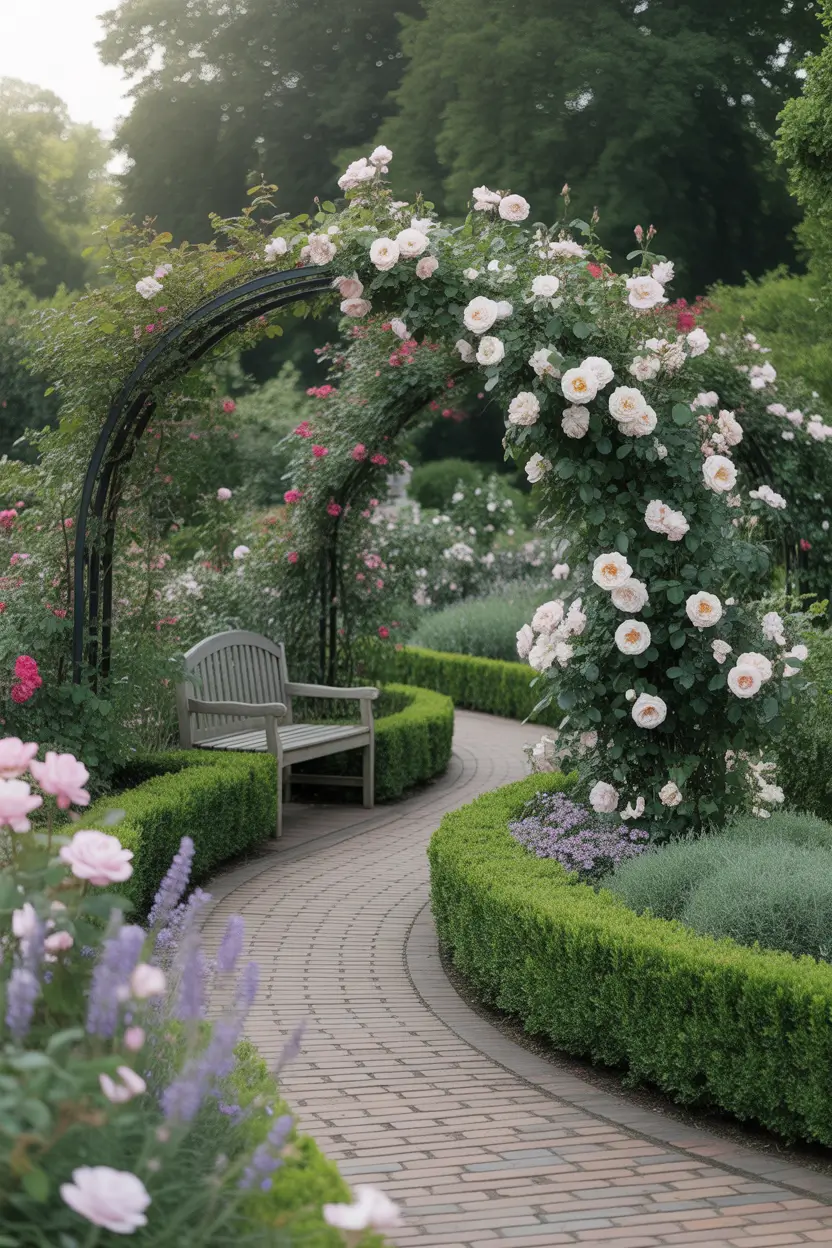
From my experience, rose paths succeed when elegance meets practicality. Landscape designers frequently featured in Southern Living recommend balancing formal structure with soft planting transitions, and I follow this principle closely. I’ve noticed that when seating is added along the path, people naturally slow down and engage with the garden more deeply, transforming the walkway into a destination rather than a passage.
What I would add to enhance this section is layered lighting and vertical accents such as wrought-iron details or classic garden sculptures. These elements strengthen the evening atmosphere and reinforce the refined character that defines an elegant rose garden.