What does it really take to make a small space feel intentional, not cramped? And how do you actually choose the best furniture for small living room 2026 without sacrificing comfort or style? I’ve been asking myself these exact questions lately—and the answers are surprisingly refreshing. Today’s modern, space-saving ideas are less about compromise and more about creativity, blending compact, multifunctional, and deeply cozy solutions that transform even the smallest living room into a place you actually want to stay in.
Let me walk you through the pieces and layouts that are quietly redefining small-space living this year.
Cream Boucle Storage Sofa For Soft Minimal Living Rooms
I love starting a minimal, light-filled living room with a cream boucle storage sofa because it instantly softens the entire layout. In small spaces, texture replaces clutter, and this kind of low-profile, comfy seating keeps everything grounded without overwhelming the room. It creates a calm, almost cloud-like base that makes the space feel intentionally cozy, not crowded.
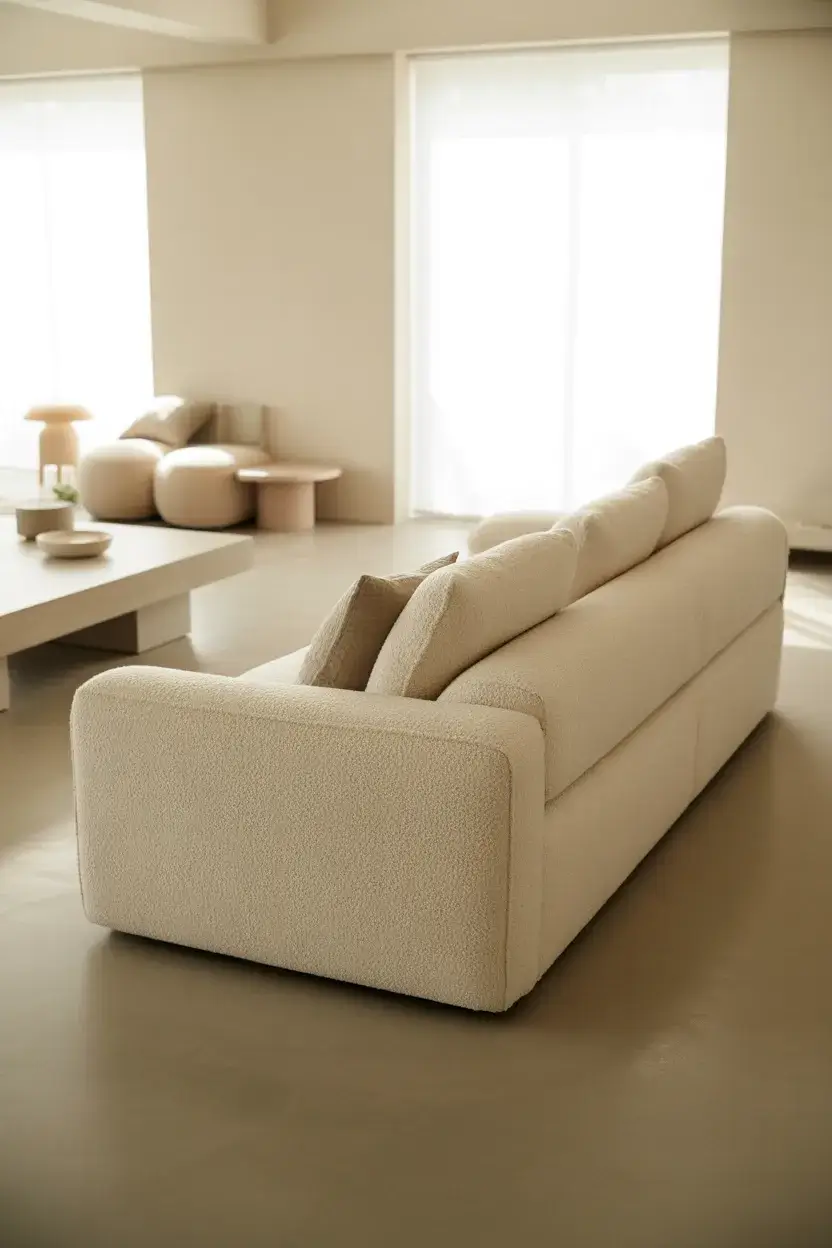
From a practical standpoint, I always recommend a multifunctional piece like this. Hidden storage beneath the seat is perfect for throws, books, or even seasonal decor. The boucle fabric adds warmth, while the structured silhouette keeps it looking modern and polished. It’s one of those rare pieces that manages to be both comfortable and visually clean—exactly what small interiors need.
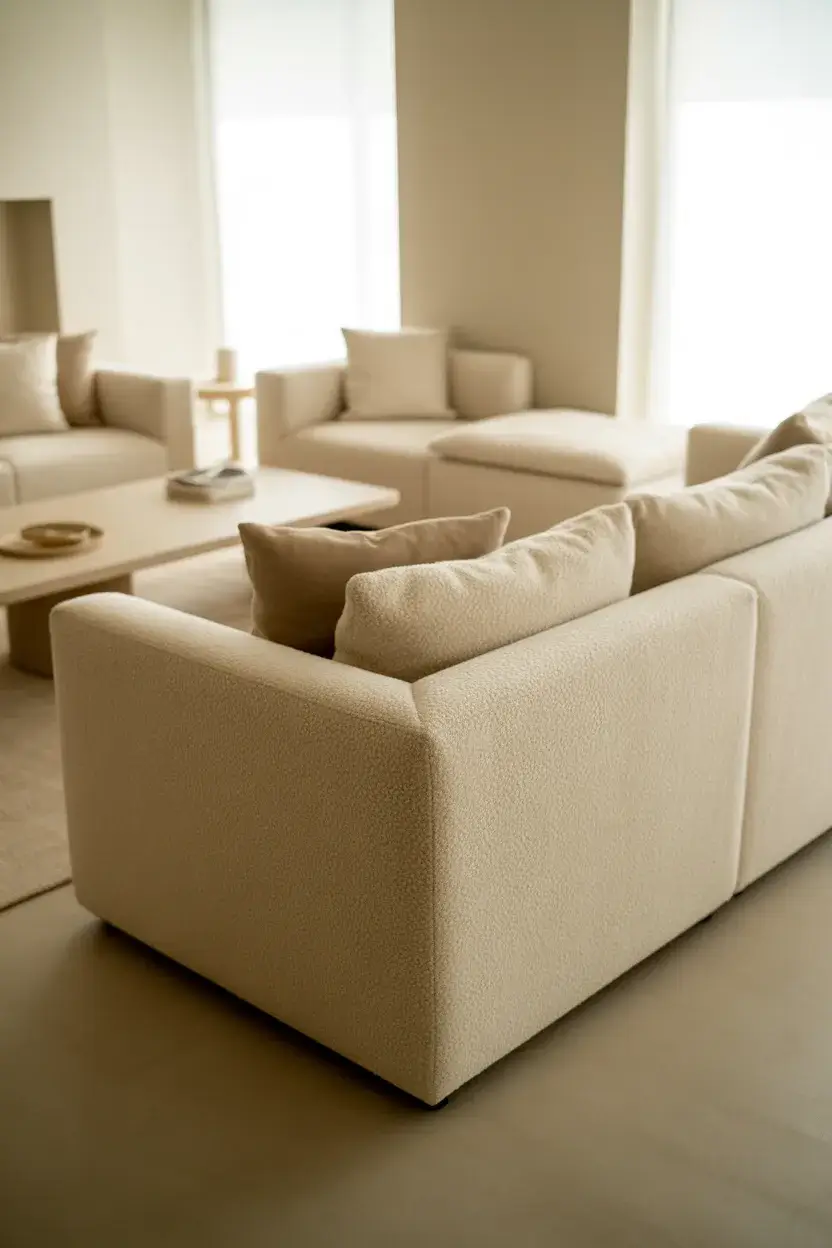
Personally, I’ve noticed that designers featured in outlets like Architectural Digest often emphasize texture over excess in smaller homes, and I fully agree. When I use a piece like this, I don’t feel the need to overdecorate. It becomes the statement, quietly.
Matte Black Folding Coffee Table For Compact Spaces
In tighter layouts, I always prioritize flexibility, and a matte black folding coffee table is one of my favorite space-saving solutions. It anchors the seating area when needed but disappears visually thanks to its slim, simple profile. The darker tone also adds contrast, which helps define zones in a small living room without adding bulk.
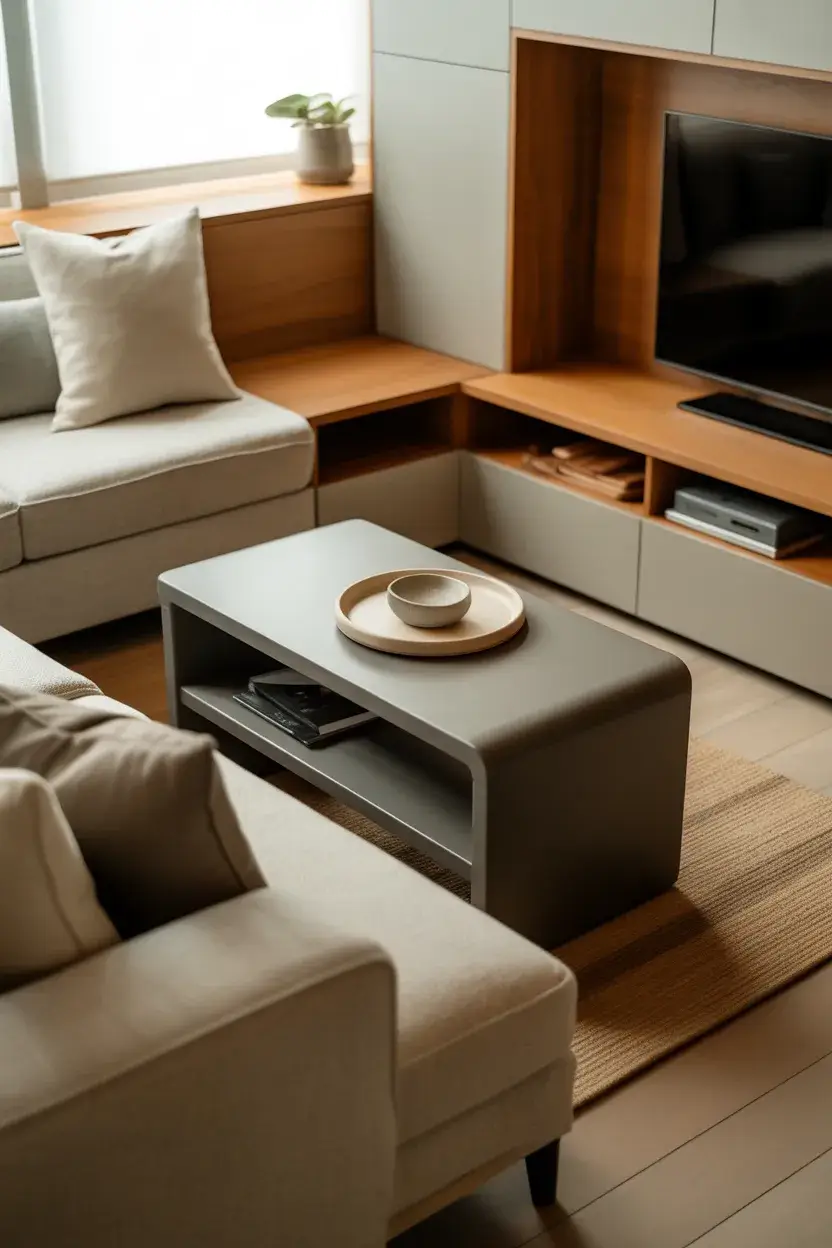
What makes this piece truly multipurpose is its adaptability. I’ve used these tables as work surfaces, dining spots, and even extra seating in a pinch. The foldable design means you can reclaim floor space instantly, which is essential when every square meter matters. Pairing it with a compact sofa creates a balanced, functional setup.
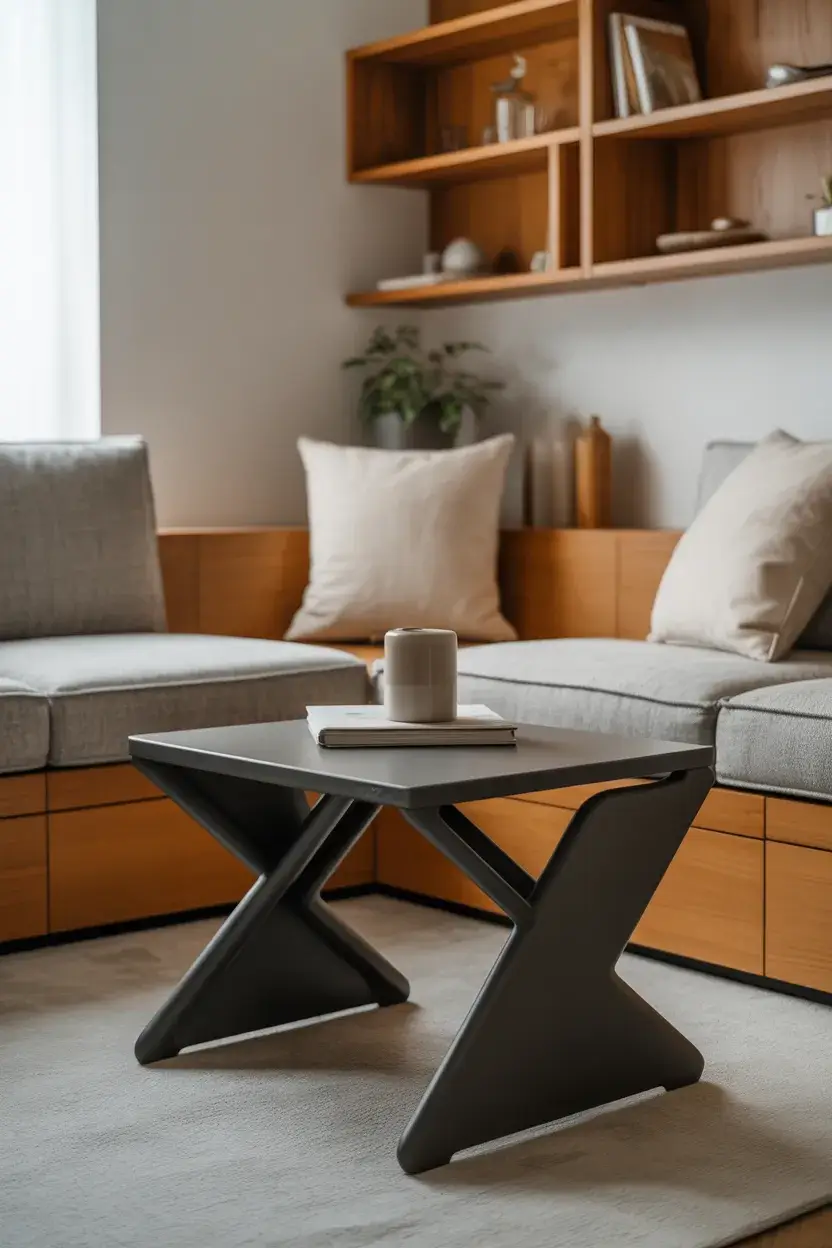
From my experience, the best interiors always have at least one piece that can transform with your needs. This is that piece. If you’re trying to choose wisely, this kind of table delivers long-term value without visual noise.
Walnut Wall Mounted TV Unit With Floating Shelves
Wall-mounted furniture is a game-changer in small spaces, and a walnut tv unit with floating shelves is one of the smartest upgrades I recommend. By lifting storage off the floor, the room instantly feels more open, and the warm wood tone adds depth without heaviness.
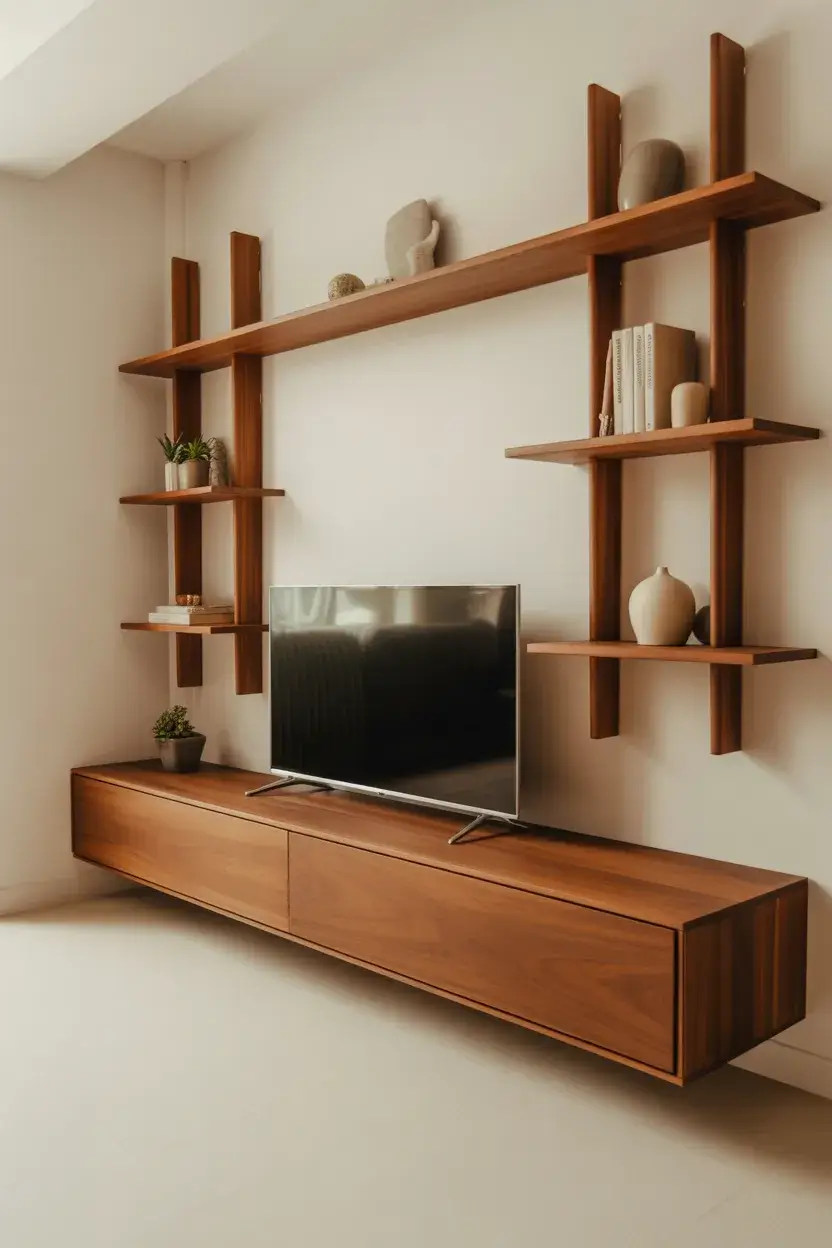
I always look for a modern, low-profile unit that integrates both storage and display. Floating shelves allow you to style books, decor, or even small plants while keeping the area around the tv uncluttered. It’s a perfect blend of functional and aesthetic design—exactly what a living room needs in 2026.
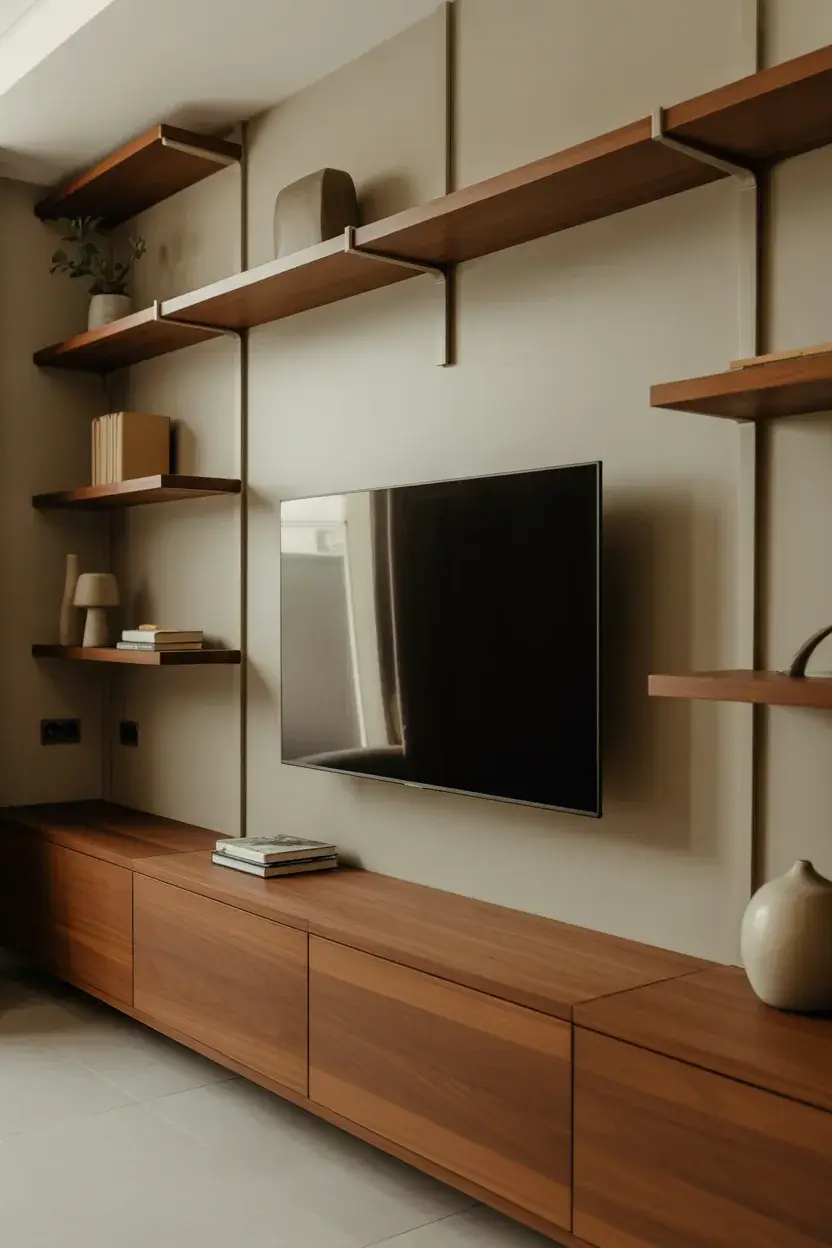
In my own projects, I’ve found that vertical design is often overlooked. But once you start thinking upward instead of outward, everything changes. This approach creates breathing room without sacrificing personality.
Olive Green Modular Sofa For Flexible Layouts
A modular sofa in olive green is my go-to when I want a layout that evolves with daily life. In small spaces, flexibility is everything, and this kind of multi-functional seating lets you rearrange effortlessly depending on your needs.
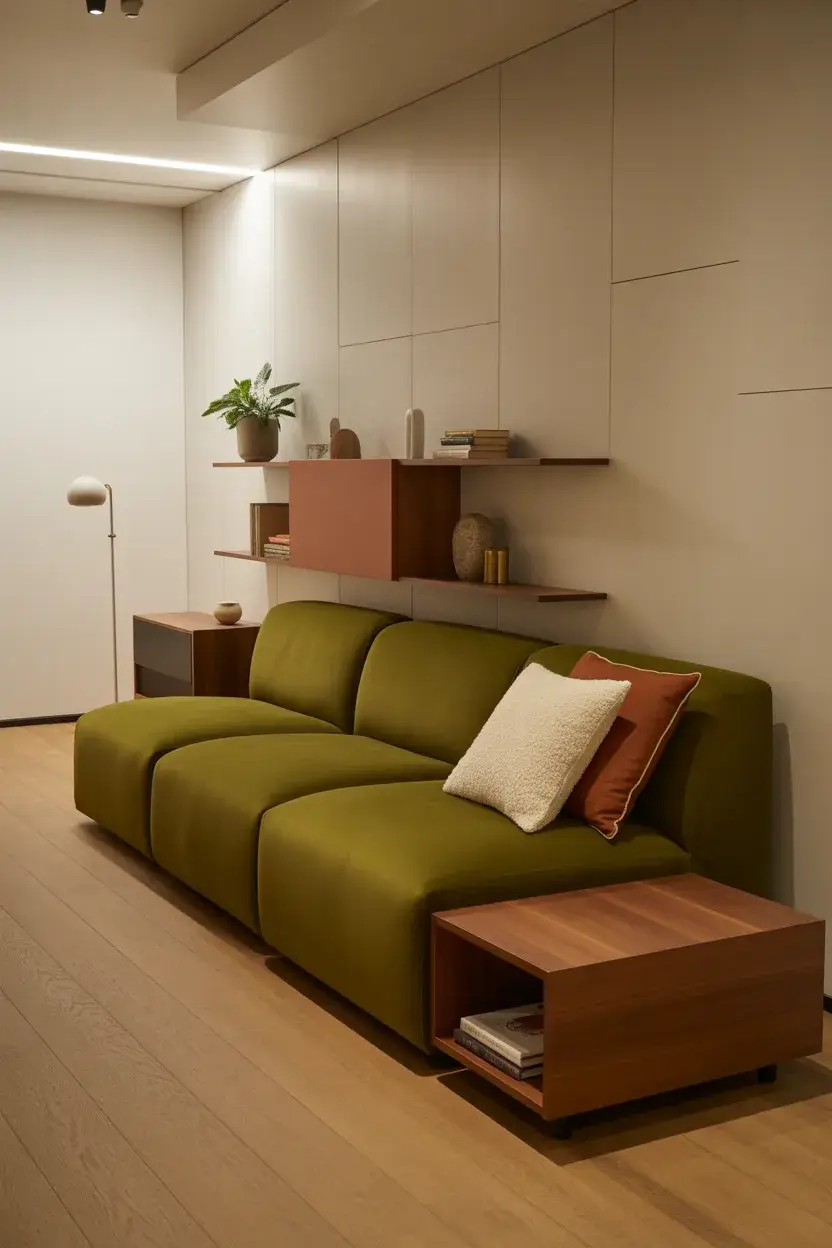
Each section can be moved or reconfigured, which makes it ideal for hosting, relaxing, or even creating a subtle dining room combo setup. The color adds richness without overpowering the room, while the comfortable, slightly structured cushions maintain a clean silhouette.
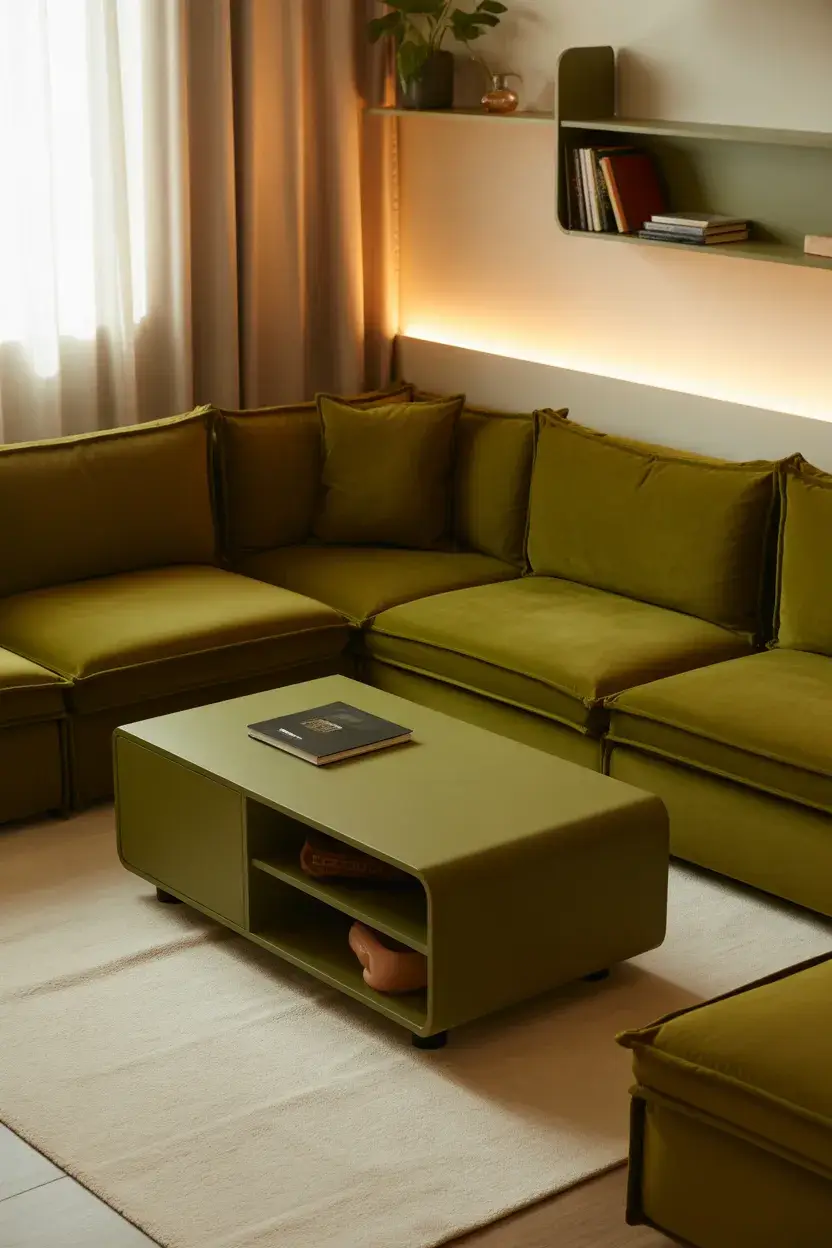
I’ve personally leaned into modular designs more over the years because they adapt as life changes. It’s not just furniture—it’s a system. And in a small home, that kind of adaptability is priceless.
Beige Leather Compact Sofa For Classic Small Spaces
There’s something timeless about a beige leather compact sofa, especially in a classic small living room. It brings a sense of quiet luxury without taking up unnecessary space. The clean lines and subtle sheen reflect light, helping the room feel larger and more refined.
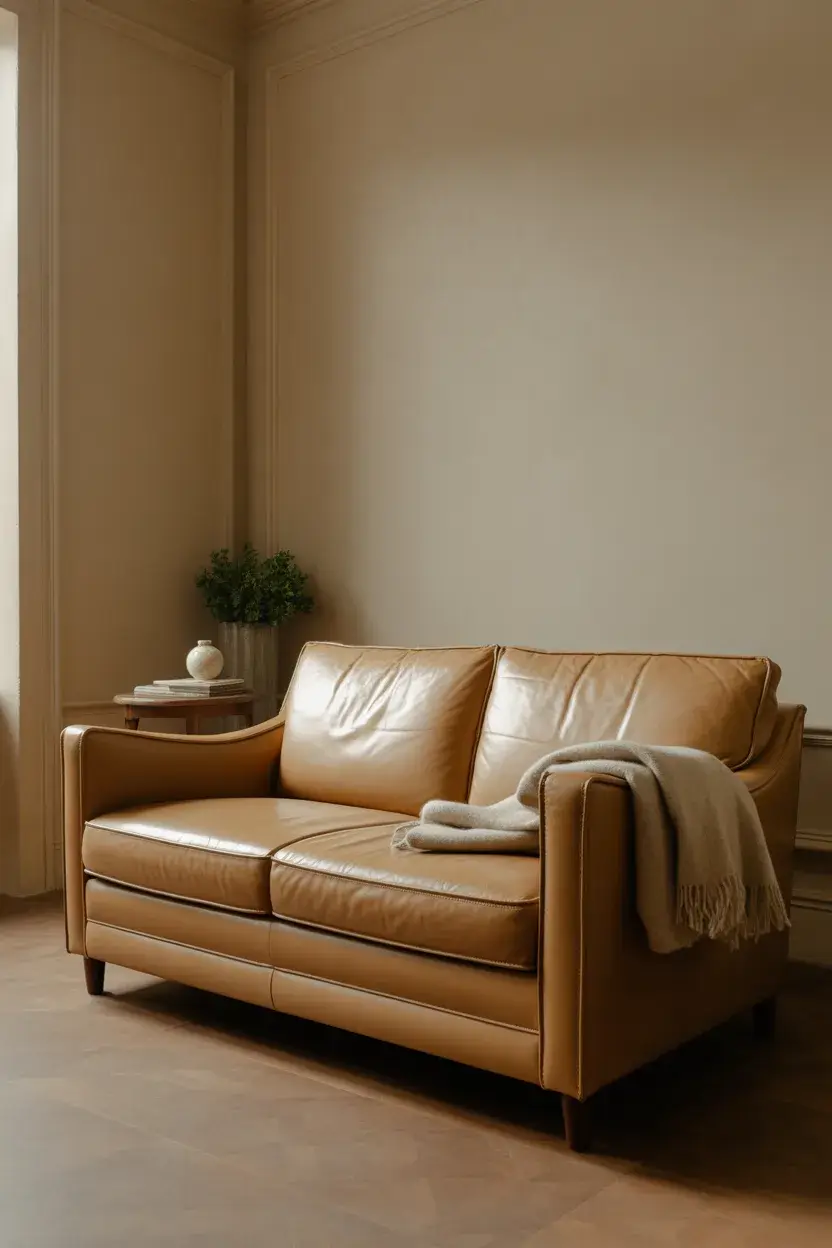
I always recommend this type of sofa when someone wants durability paired with elegance. Leather is easy to maintain, and its structured form keeps the overall layout looking intentional. It works beautifully with neutral palettes or even layered textures for a more cozy feel.
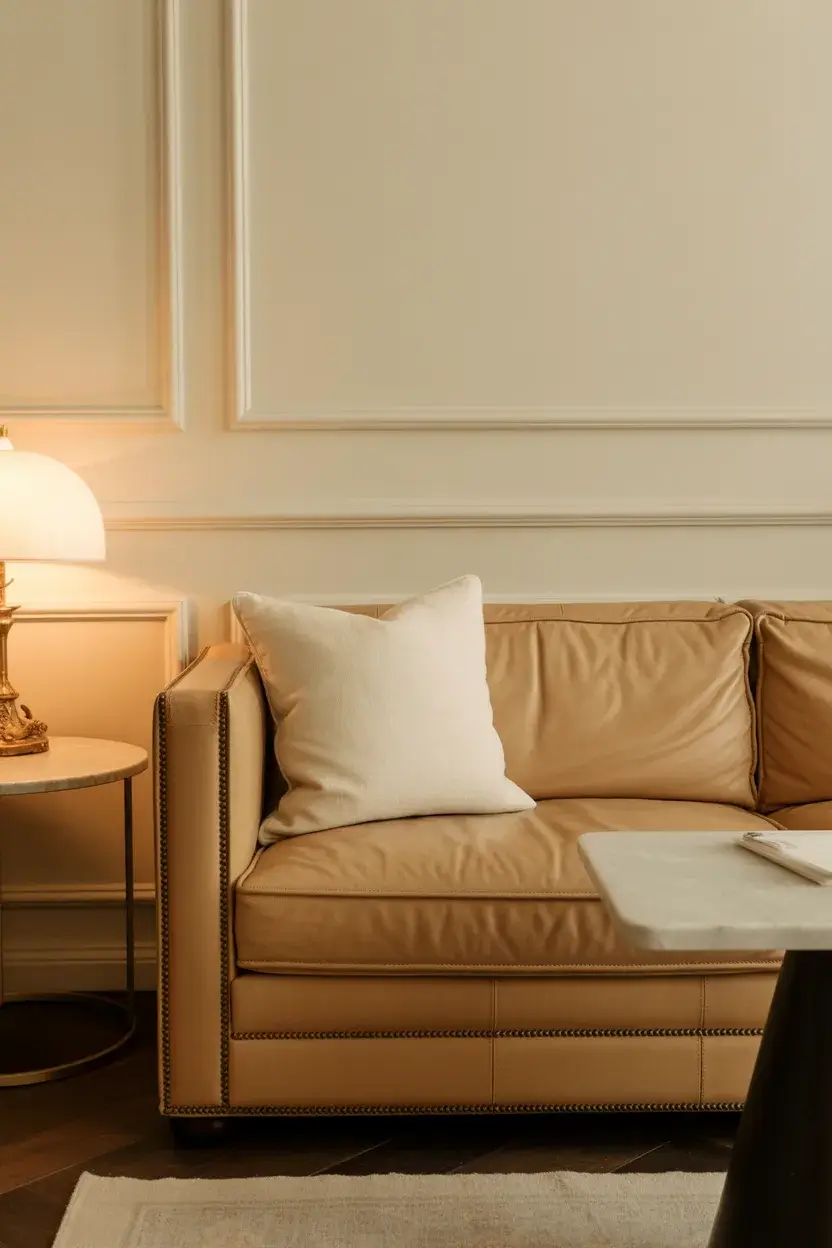
In my opinion, this is one of the best investments for small interiors. It doesn’t chase trends—it anchors the space. And sometimes, that’s exactly what a room needs.
Light Oak Foldable Dining Table For Living Room Combos
Blending a dining room combo into a small living room can feel tricky, but a light oak foldable table makes it seamless. The natural wood keeps the space warm and inviting, while the folding design ensures it never feels intrusive.
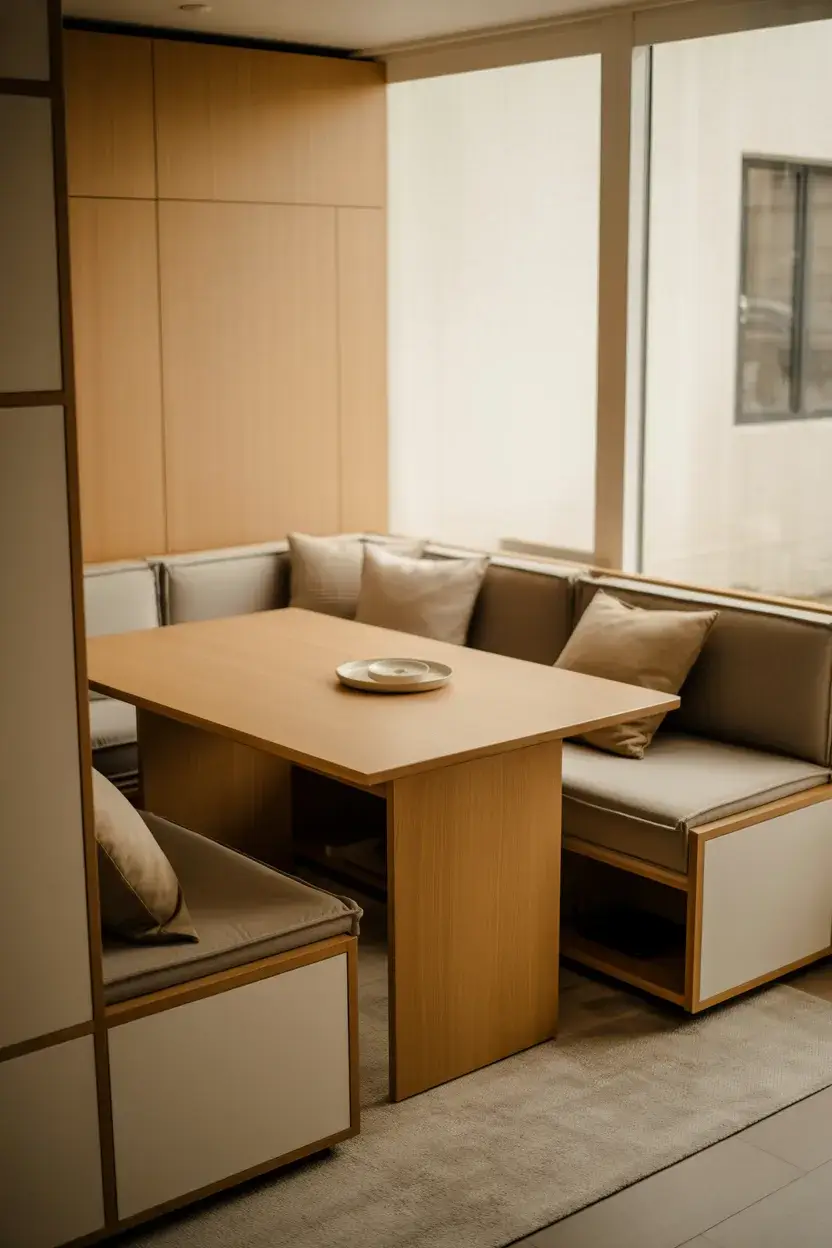
I’ve used these tables as everyday desks, dining surfaces, and even styling elements. When folded, they become almost invisible, preserving the openness of the room. It’s one of the smartest space-saving solutions I’ve come across, especially for apartments.
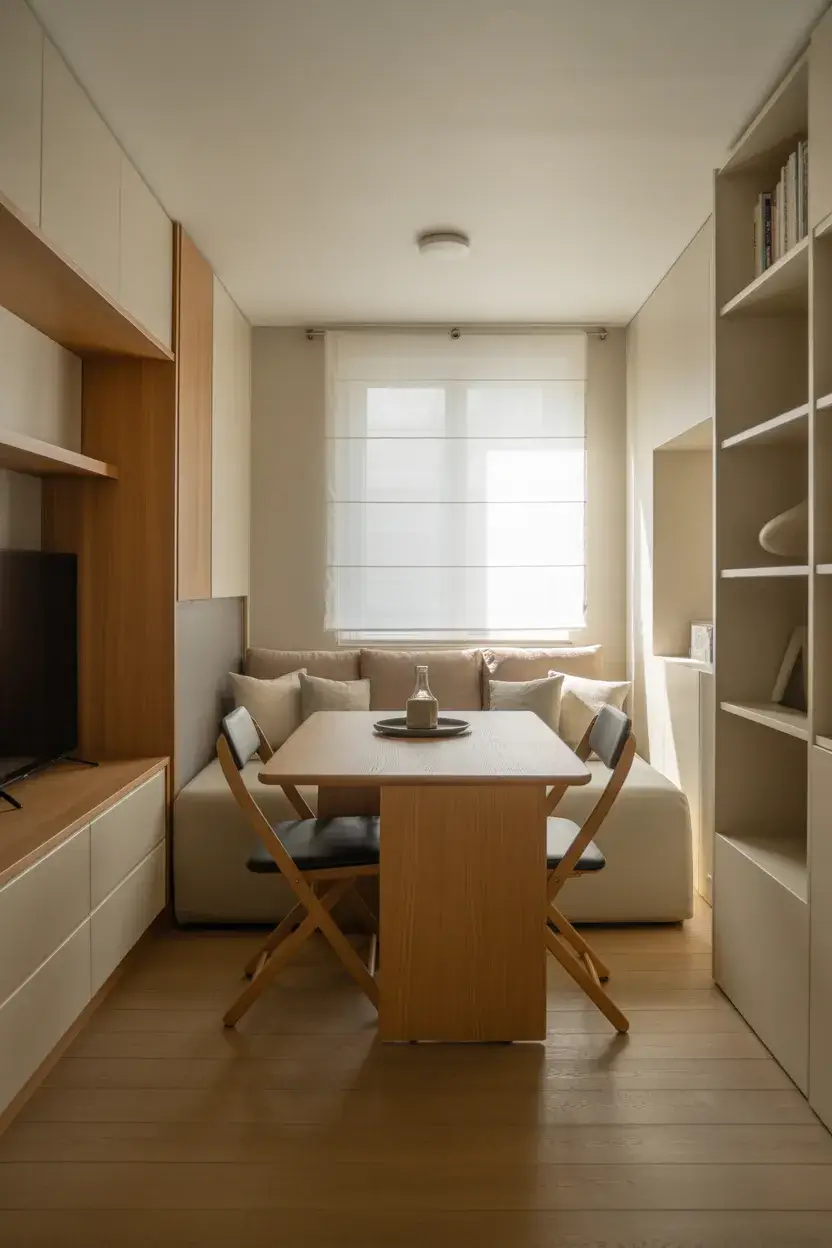
From my perspective, this is where small-space design really shines. It’s about making every piece work harder without sacrificing beauty. And this table does exactly that.
Dusty Blue Low Profile Sofa For Calm Modern Interiors
A dusty blue low-profile sofa creates an instant sense of calm in a modern small living room. The muted tone feels fresh but not overwhelming, while the lower height keeps sightlines open, making the room appear more spacious.
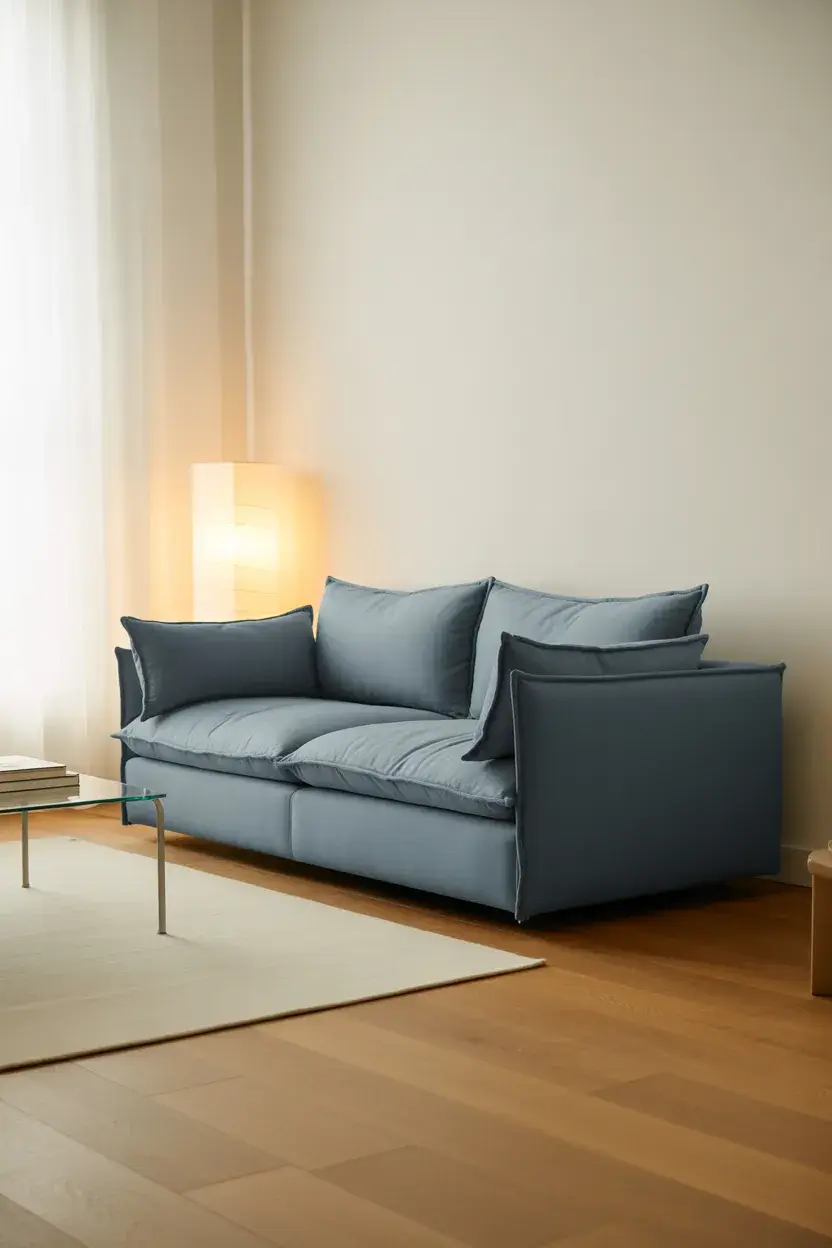
I often pair this type of sofa with simple, clean-lined furniture to maintain balance. Its comfy cushions invite relaxation, while the structured base ensures it doesn’t feel too casual. It’s the perfect middle ground between style and comfort.
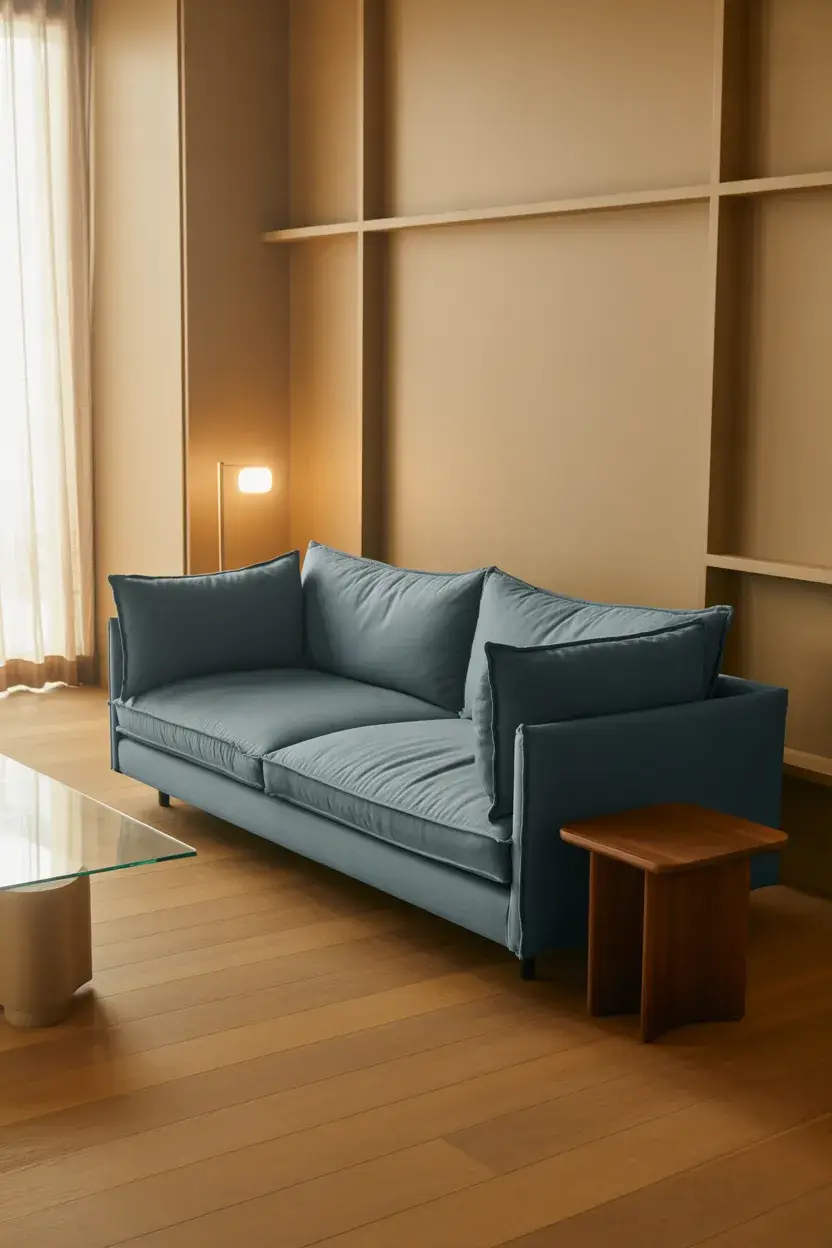
What I’ve learned over time is that color can completely transform perception. In small spaces, softer tones like this expand the atmosphere visually. It’s a subtle shift, but incredibly effective.
Charcoal Multipurpose Ottoman With Hidden Storage
In a small living room, I always look for pieces that quietly do more than one job, and a charcoal multipurpose ottoman is exactly that. It blends into the layout without visual heaviness, while still adding depth through its darker tone. This kind of piece keeps the space feeling cozy and grounded, especially when paired with lighter seating.
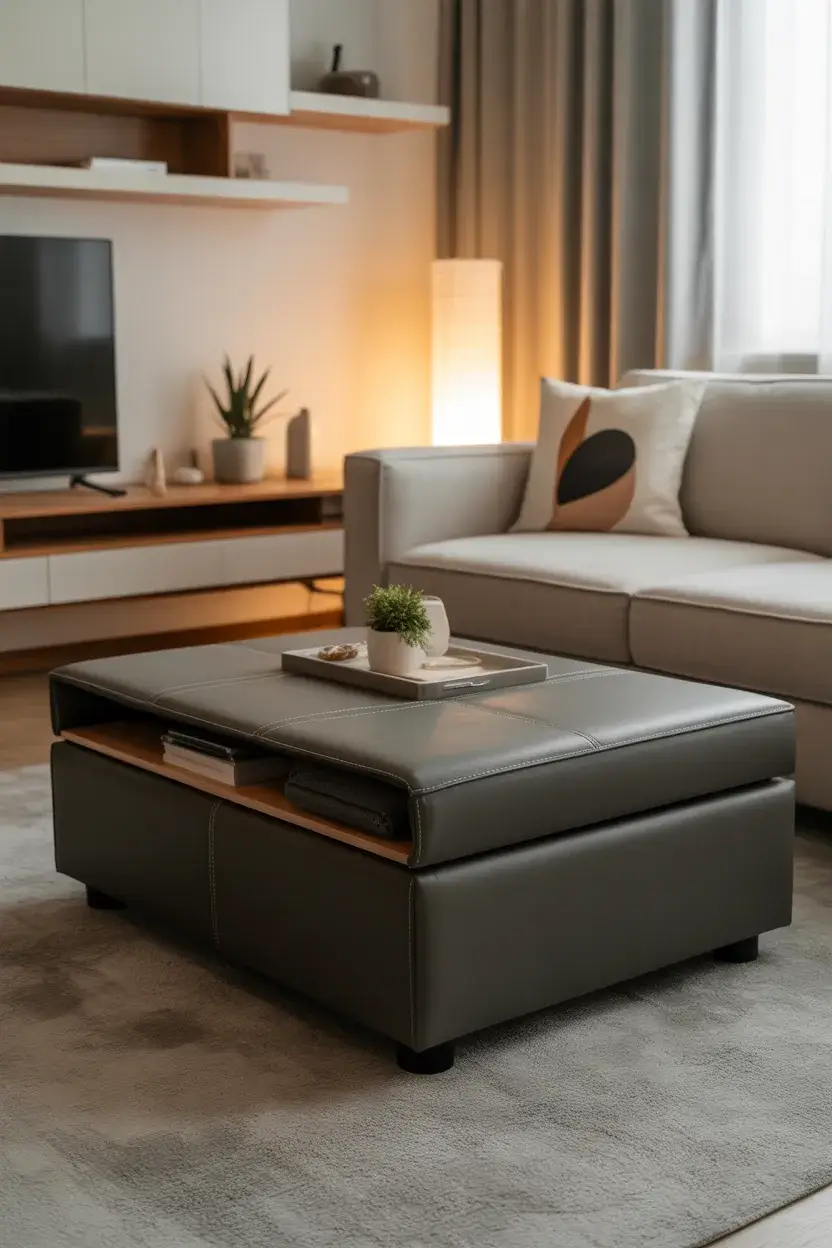
What I appreciate most is how naturally multi-functional it is. It works as extra seating, a footrest, or even a coffee table with a tray on top. The hidden storage inside makes it one of the smartest space-saving additions, perfect for blankets, remotes, or everyday clutter. In a compact interior, every hidden compartment matters more than we think.
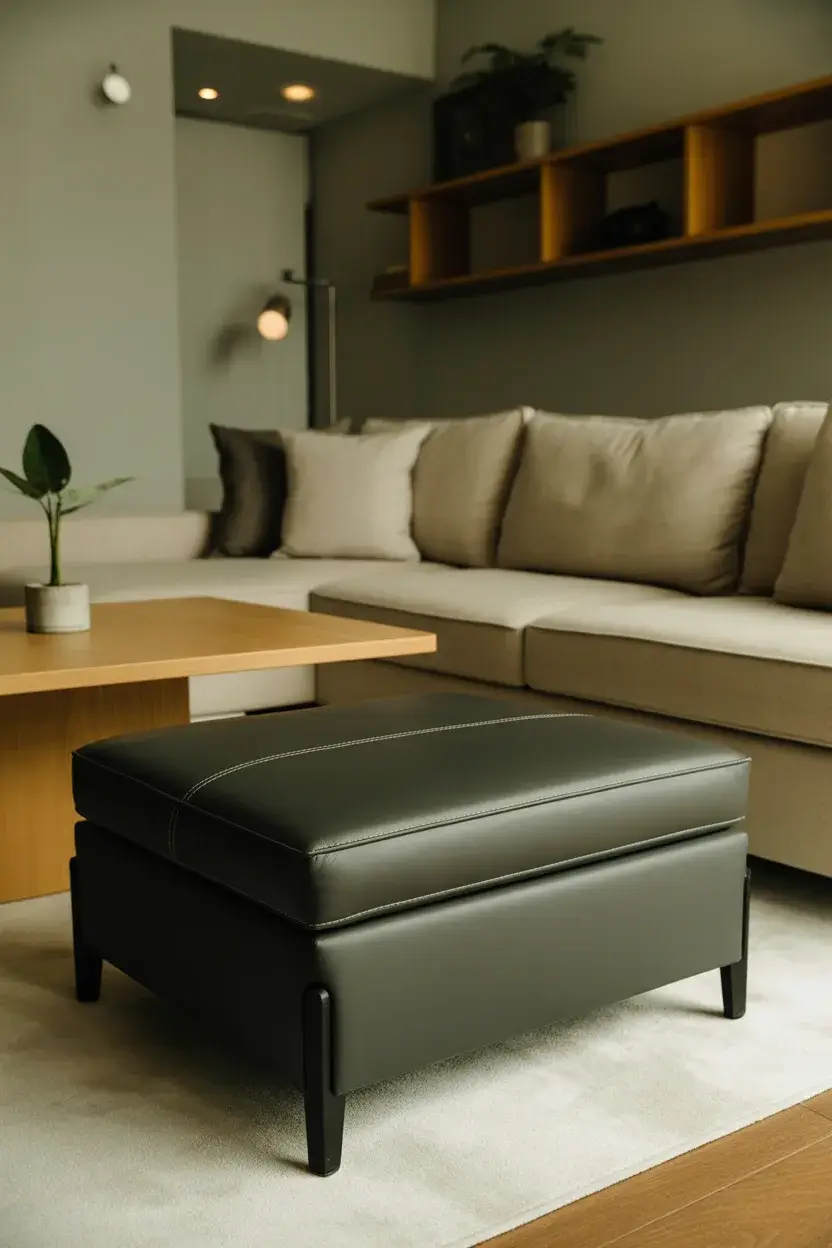
From my experience, this is one of those pieces that clients end up using constantly. It doesn’t demand attention, but it becomes essential to daily living. If you’re trying to choose wisely, this is an easy yes.
White Minimal TV Console With Slim Silhouette
When I want a modern and airy feel in a small living room, I lean toward a white minimal tv console with a slim silhouette. It visually expands the room by reflecting light and keeping the lower half of the space uncluttered. This approach works beautifully in tight spaces where visual weight needs to be reduced.
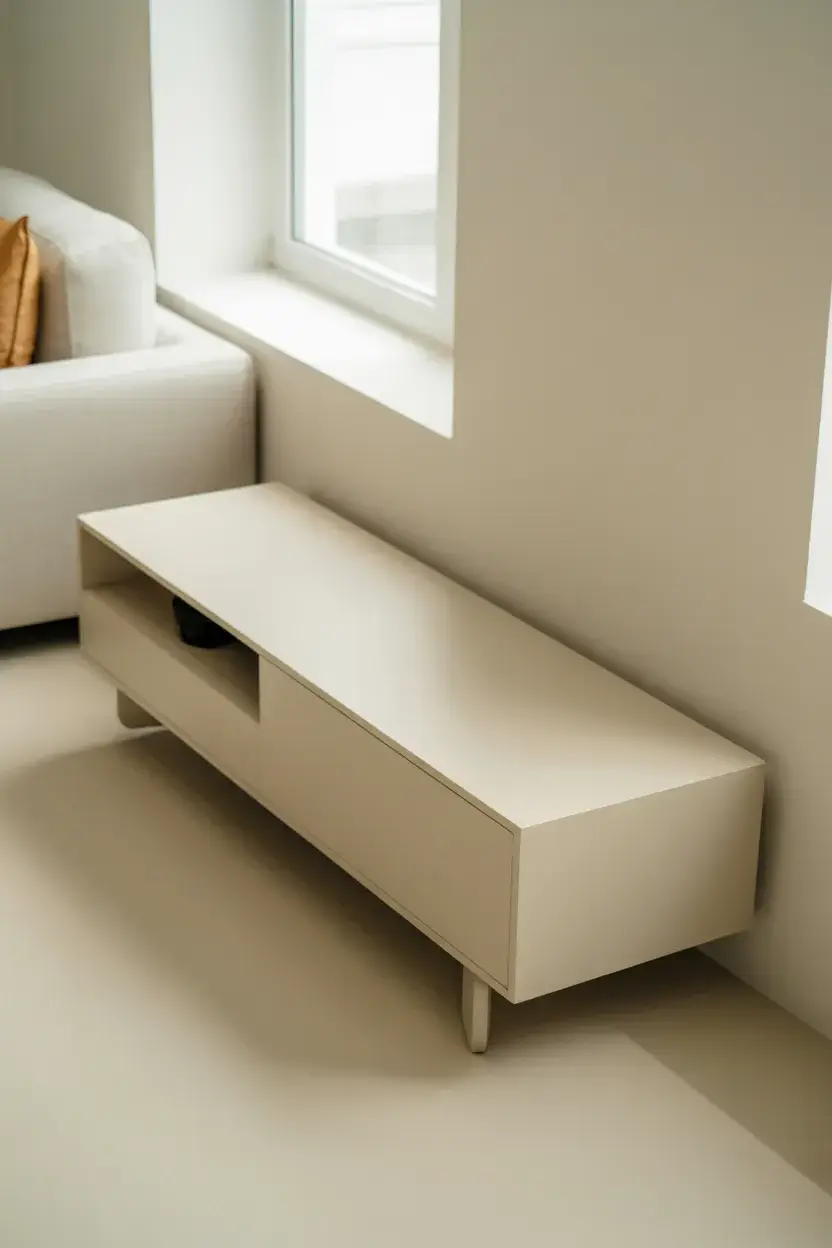
I typically recommend consoles that are low-profile and slightly elevated on legs. This creates the illusion of more floor space while still offering practical storage. Drawers or hidden compartments help maintain a simple, organized look—something that’s essential when designing a compact environment.
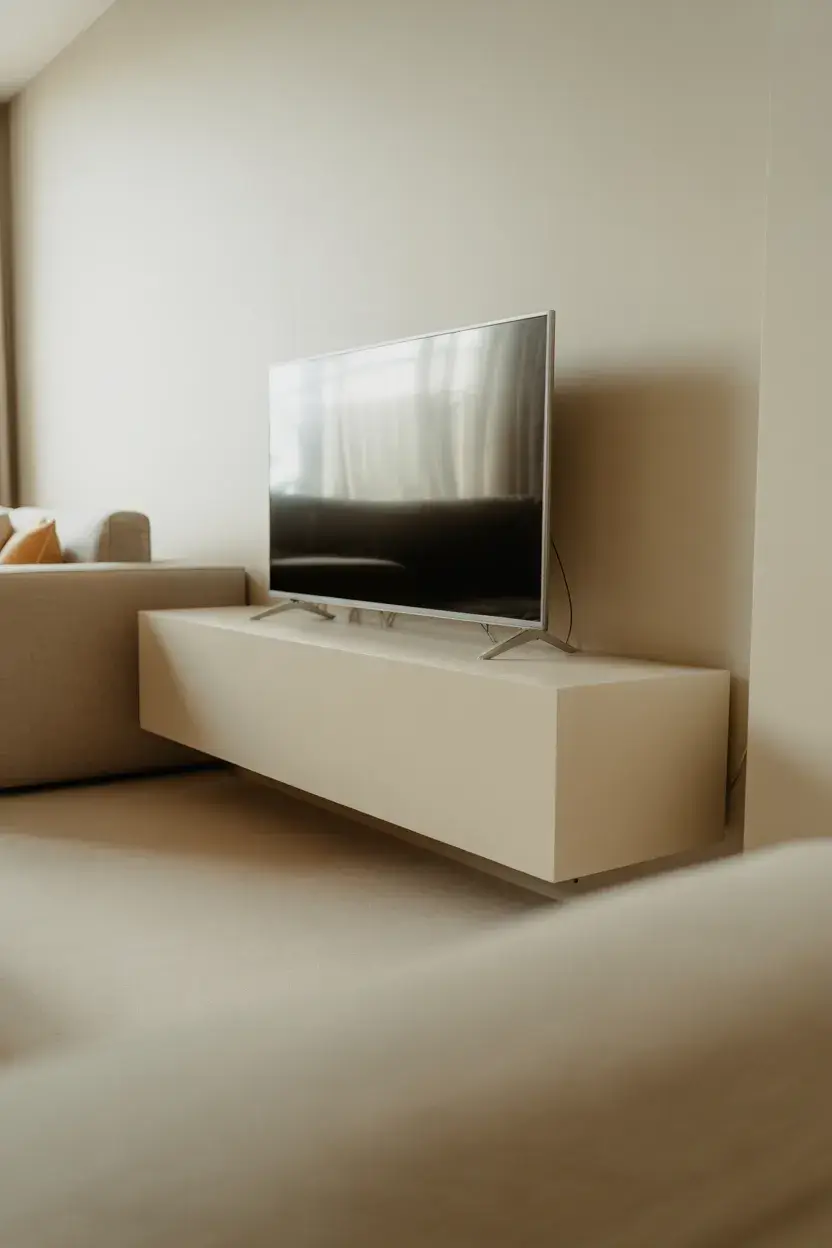
Personally, I find that less truly is more here. The cleaner the base of the room, the more freedom you have to layer textures and decor elsewhere without overwhelming the space.
Terracotta Accent Chair For Cozy Small Living Rooms
Adding a terracotta accent chair is one of my favorite ways to bring warmth into a small living room. The earthy tone instantly makes the space feel more cozy, while still keeping things visually interesting. It’s a subtle statement that doesn’t overpower the overall layout.
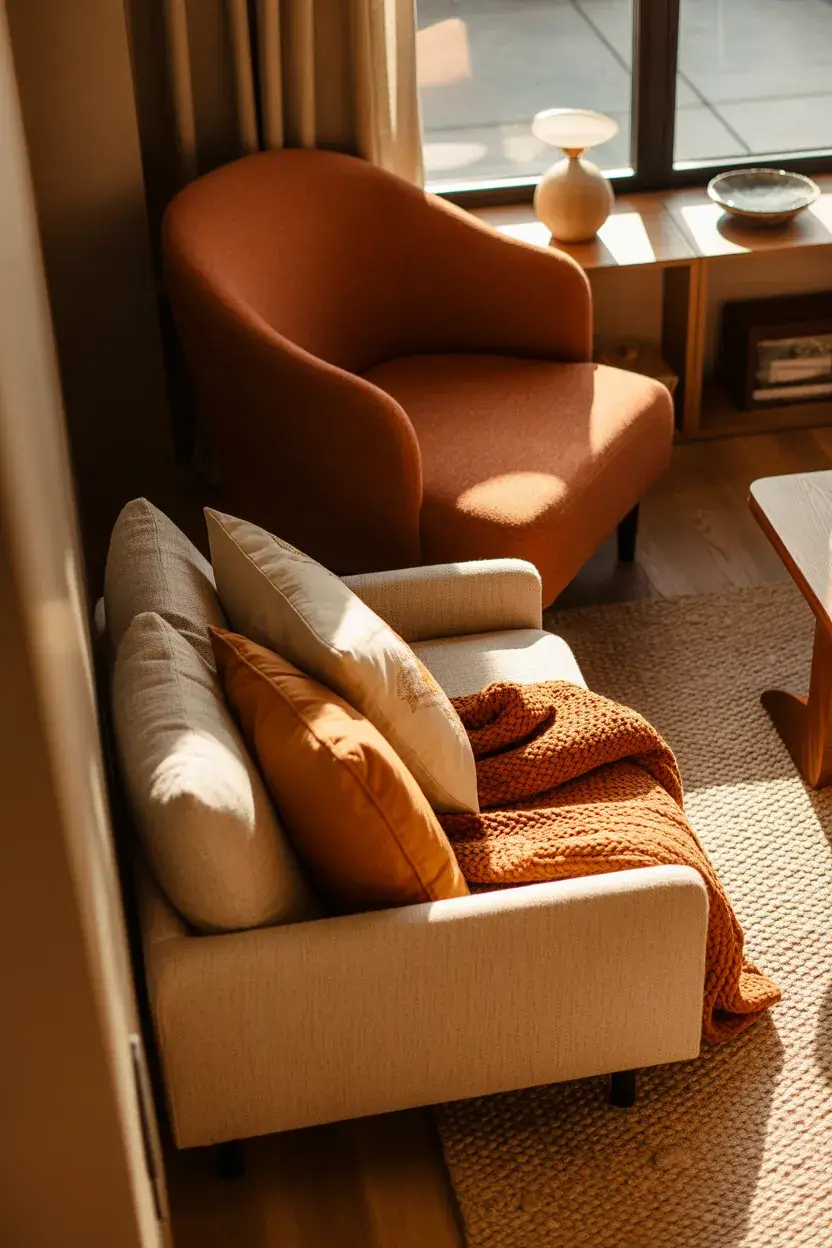
I usually opt for a compact, comfortable chair with soft curves or a slightly sculptural shape. It complements a neutral sofa while adding contrast and personality. Placing it near a window or even a small fireplace creates a natural focal point that invites relaxation.
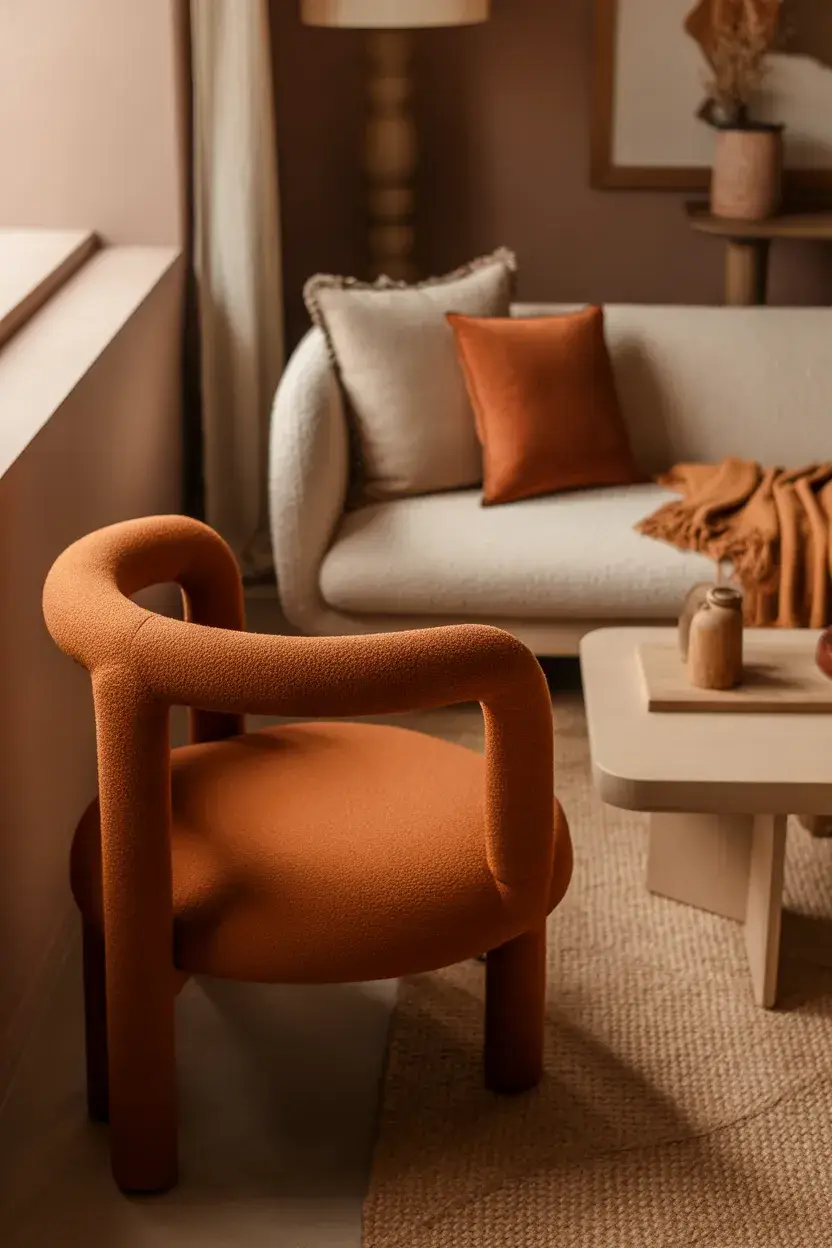
From what I’ve seen, designers often use accent chairs to tell a story within a room. And I agree—this is where you can be a little more expressive, even in smaller spaces, without losing balance.
Glass Top Nesting Tables For Airy Compact Layouts
In a tight layout, visual lightness is everything, and glass top nesting tables deliver exactly that. They keep the room feeling open and breathable, which is essential in a compact living room. I often use them when I want functionality without visual clutter.
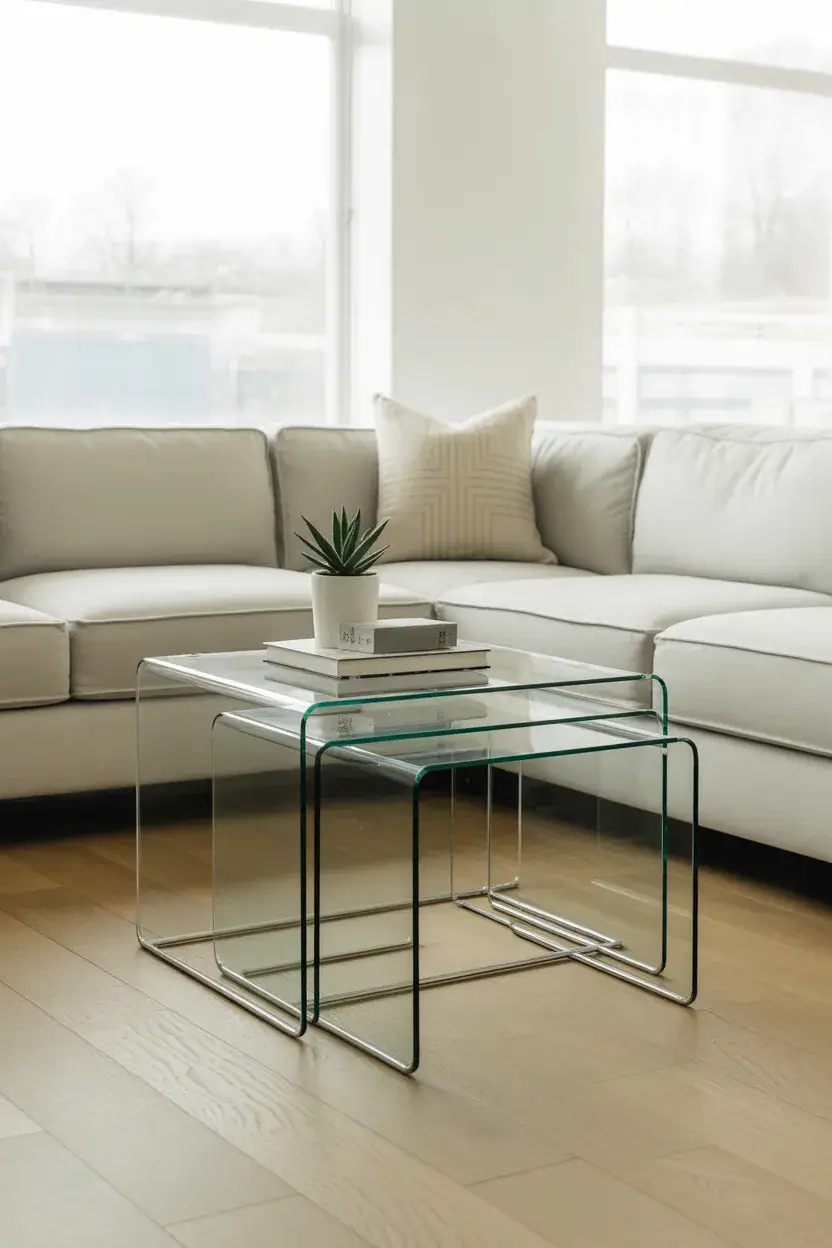
These tables are inherently space-saving because they can be tucked together when not in use. I love how easily they adapt—pull them apart for guests or keep them stacked for everyday simplicity. The transparent surface also allows rugs and textures underneath to remain visible, enhancing the overall design.
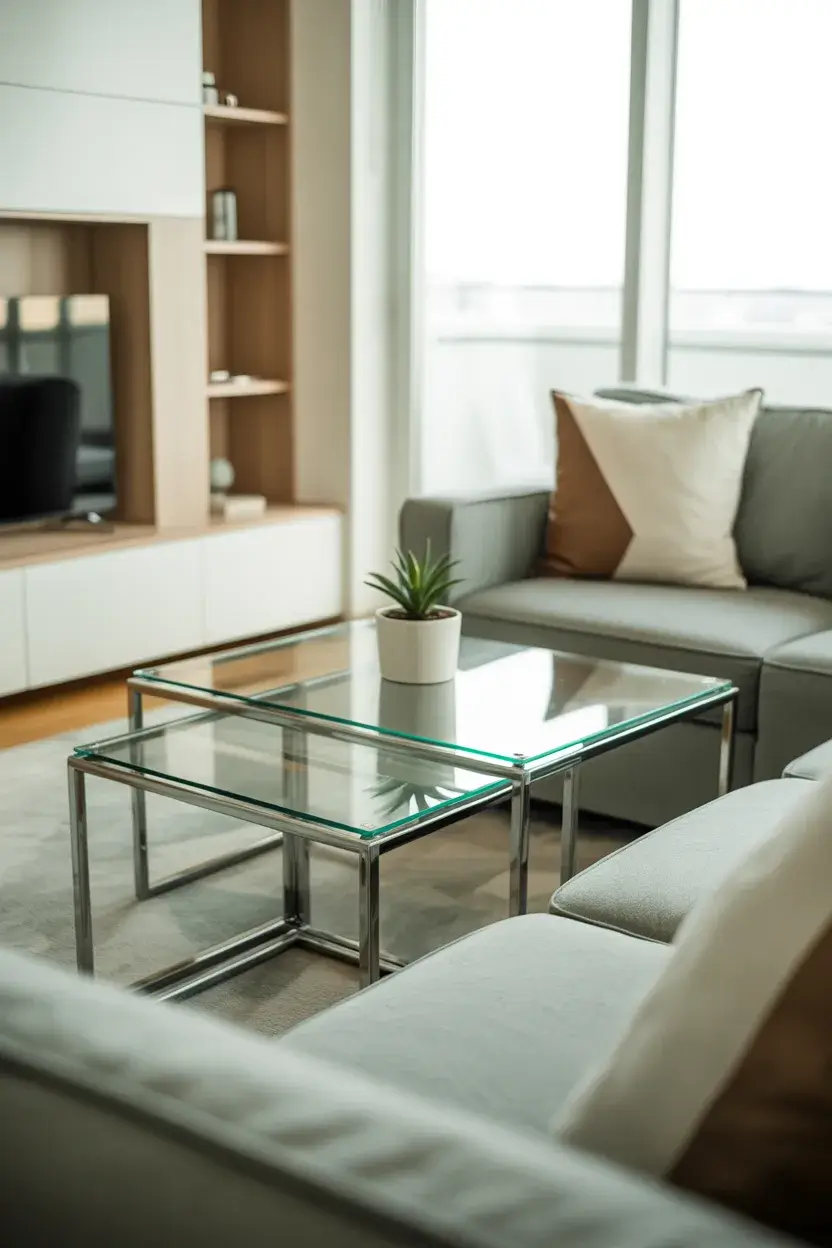
In my opinion, this is one of the best tricks for small interiors. You’re adding function without adding weight, and that balance is key.
Soft Grey Convertible Sofa Bed For Multifunctional Living
A soft grey convertible sofa bed is the definition of multifunctional design in a small living room. It allows the space to transition effortlessly from daytime lounging to nighttime sleeping, which is essential for modern urban living.
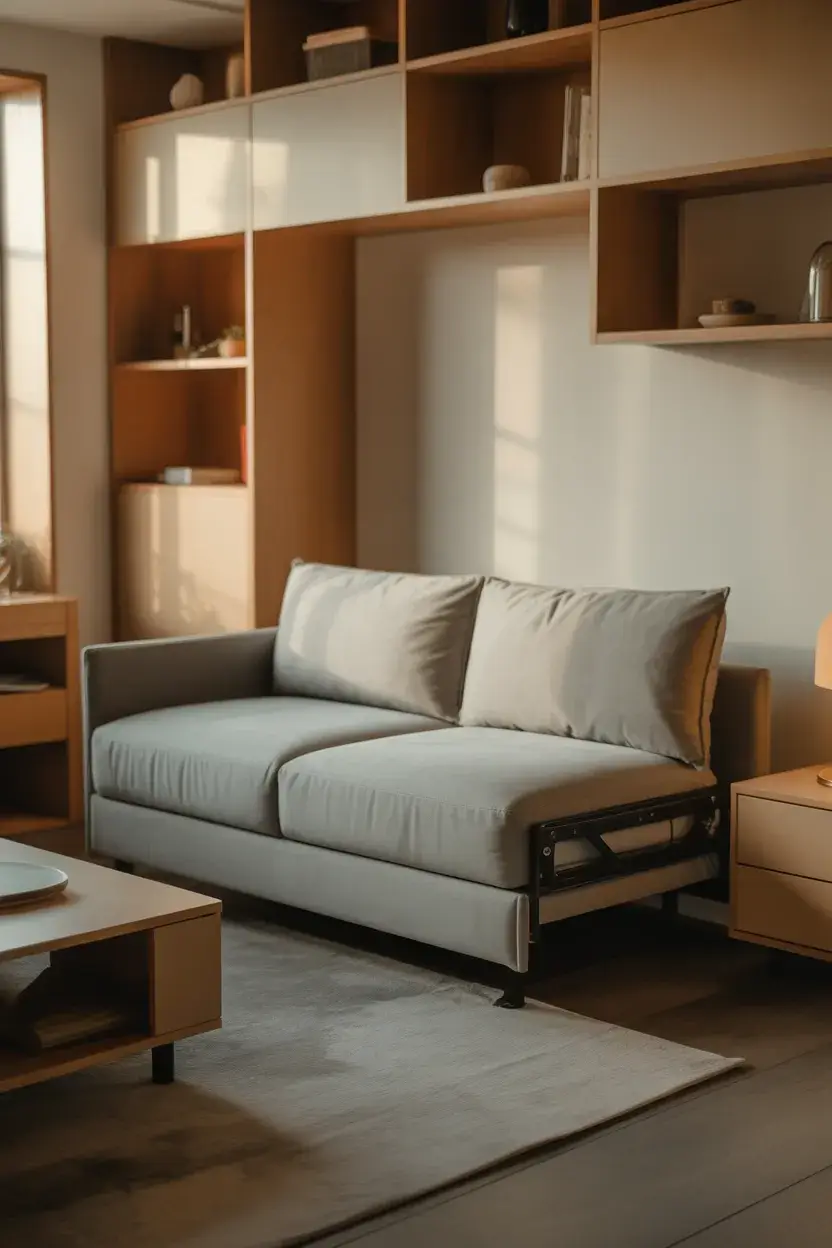
I always recommend choosing a comfortable, foldable design with a clean silhouette. The neutral grey tone works with almost any palette, while the transformation mechanism ensures practicality. It’s especially useful in studio apartments or homes where guest space is limited.
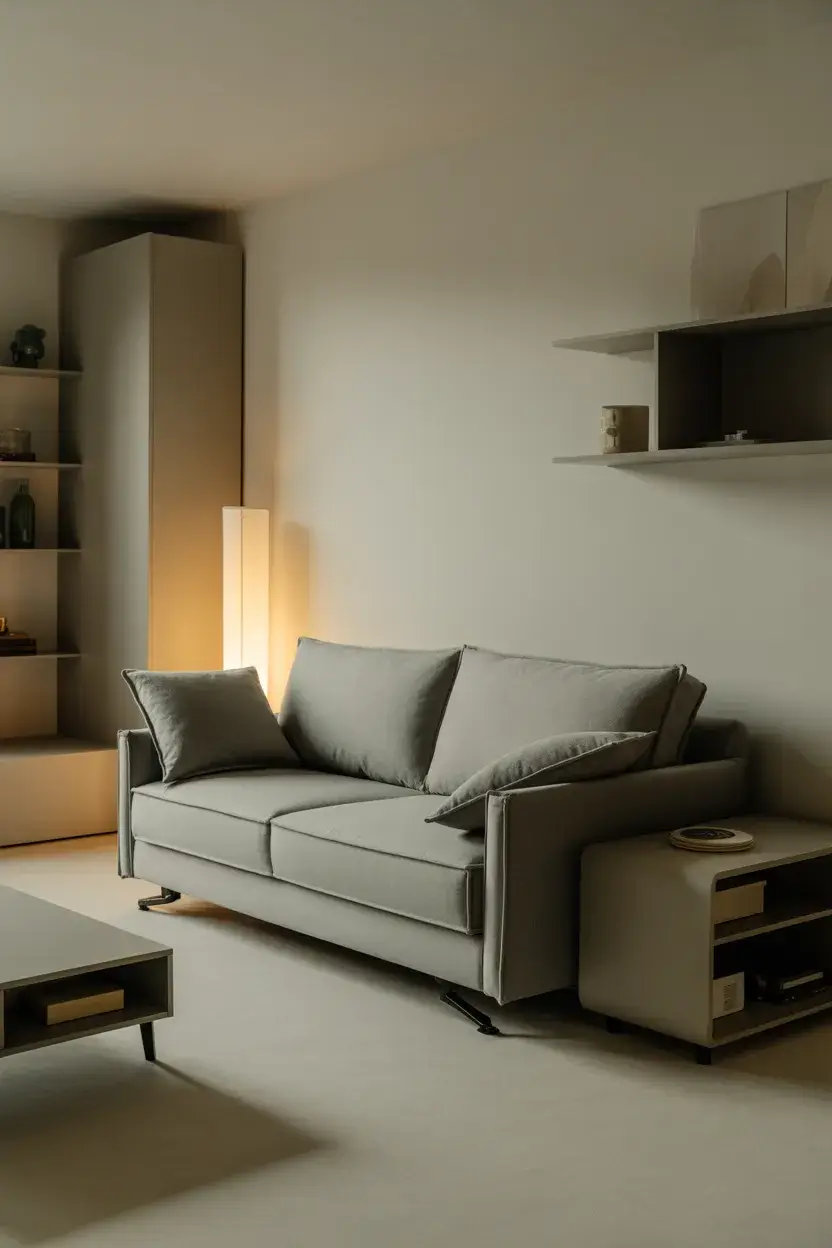
From my experience, this is one of those investments that pays off immediately. You’re not just saving space—you’re expanding how the room can be used.
Black Metal And Wood Shelving For Vertical Storage
When floor space is limited, I immediately turn to vertical solutions like black metal and wood shelving. It draws the eye upward, making the living room feel taller and more structured. This kind of modern shelving adds both storage and architectural interest.
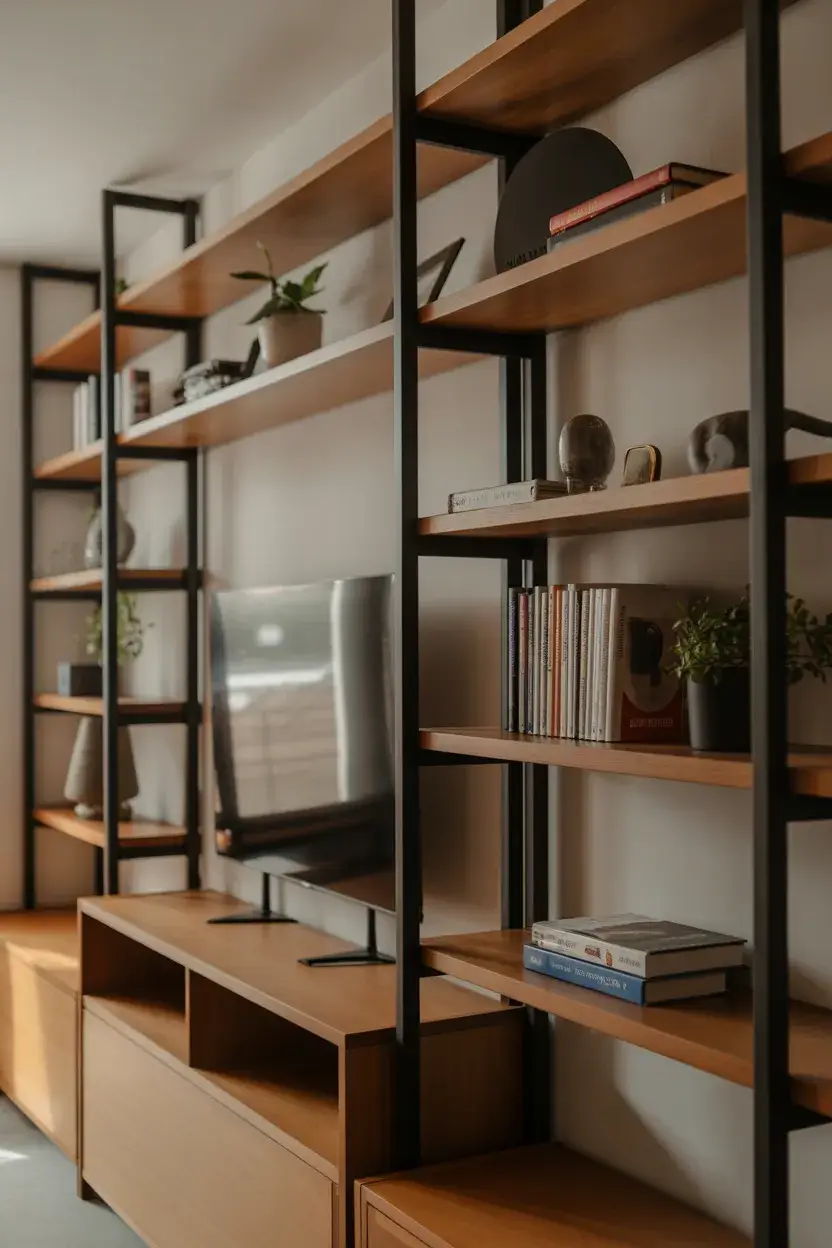
I prefer designs that combine open shelves with a simple, industrial frame. They’re perfect for books, decor, and everyday essentials without making the room feel crowded. This is a classic space-saving strategy that works in almost any layout.
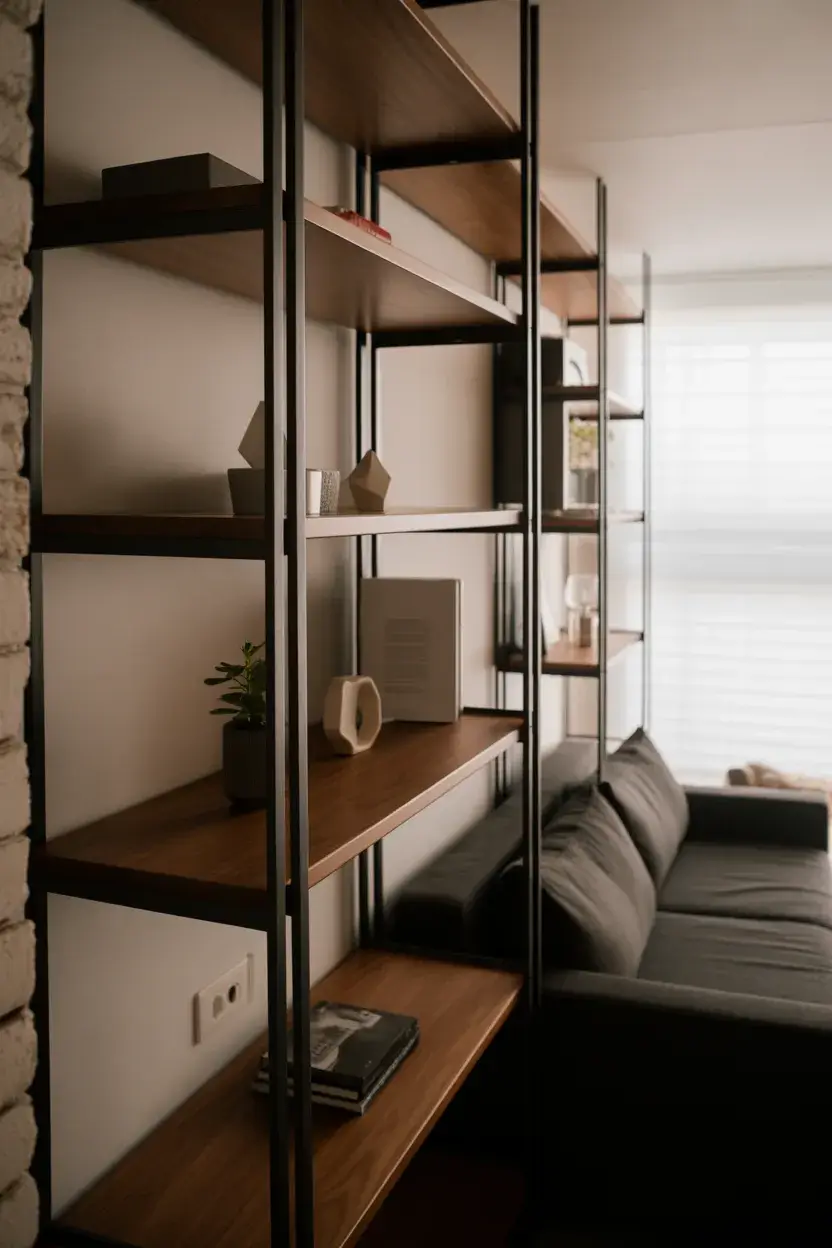
What I’ve learned over time is that vertical storage isn’t just practical—it’s transformative. It changes how the entire room is perceived, especially in smaller spaces.
Cream Curved Sofa For Elegant Small Spaces
A cream curved sofa introduces softness and elegance into a small living room without overwhelming it. The rounded shape breaks away from rigid lines, making the layout feel more fluid and inviting. It’s a subtle shift that creates a more cozy, welcoming environment.
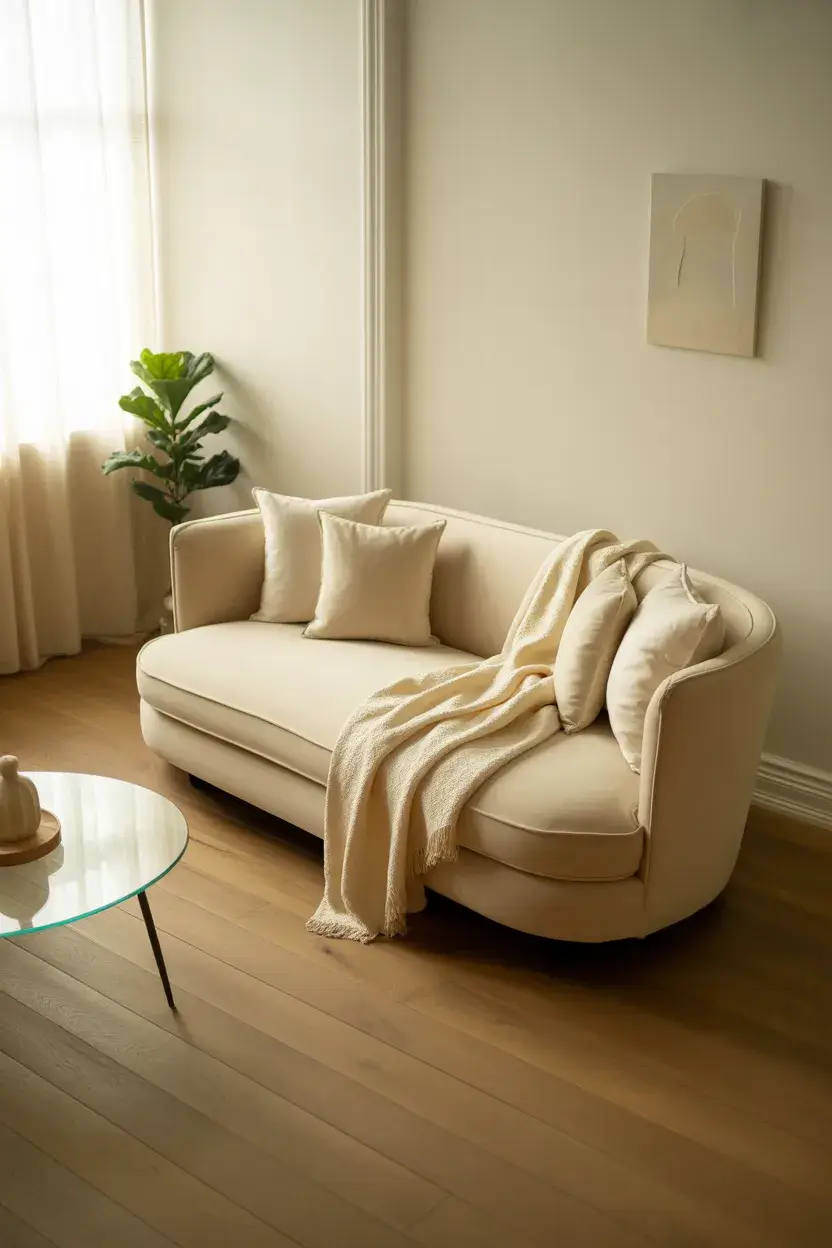
I usually pair this with minimal decor and a few carefully chosen accents to let the shape stand out. Despite its sculptural look, many of these sofas are surprisingly compact and comfortable, making them practical as well as beautiful.
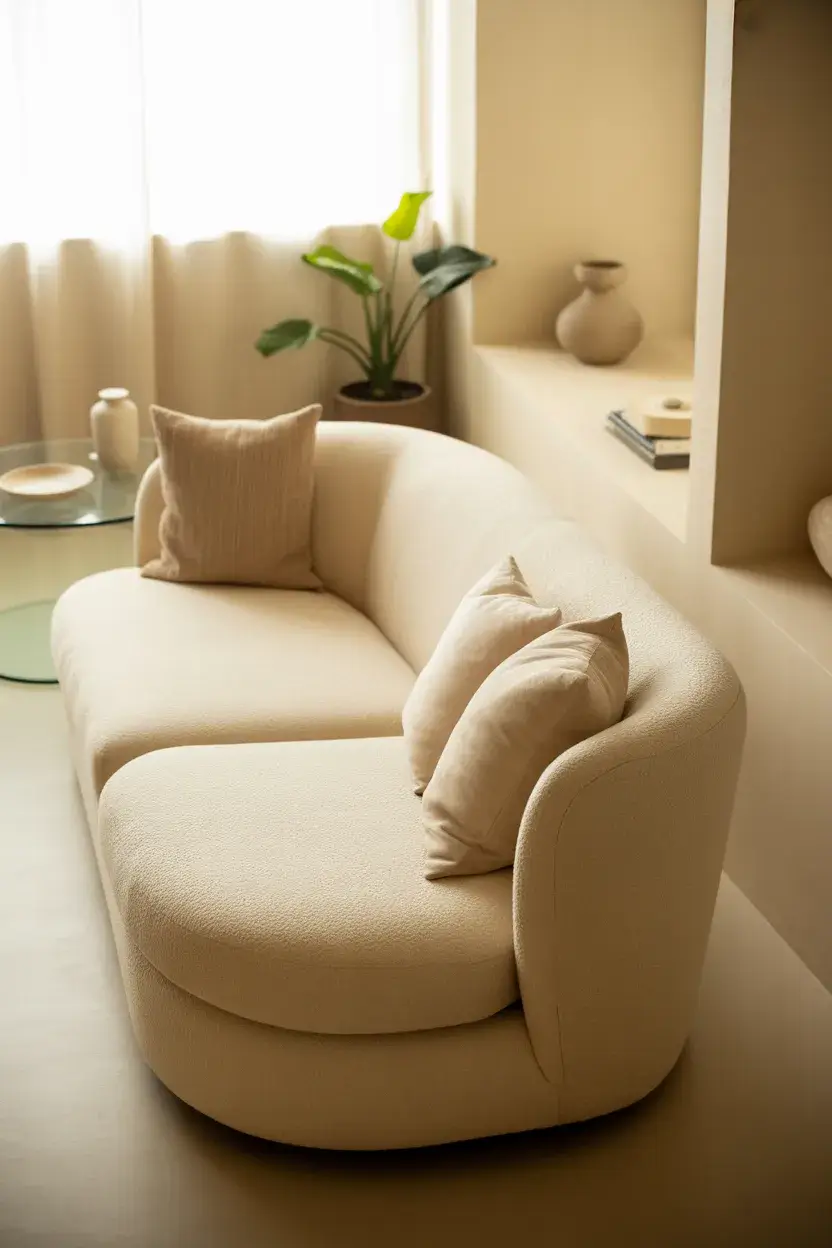
Personally, I see this as a reflection of where design is heading—toward softer, more human-centered forms. Even in small spaces, there’s room for a little elegance.
Navy Compact Recliner For Comfortable Seating
I’ve found that introducing a navy compact recliner instantly grounds a small living room while maintaining a clean, intentional Layout. In 2026 interiors, I see a shift toward deep, calming tones paired with Low-profile silhouettes, which makes the space feel structured but not heavy. This type of seating works especially well in apartments where every corner matters, and where comfort cannot be sacrificed for size.
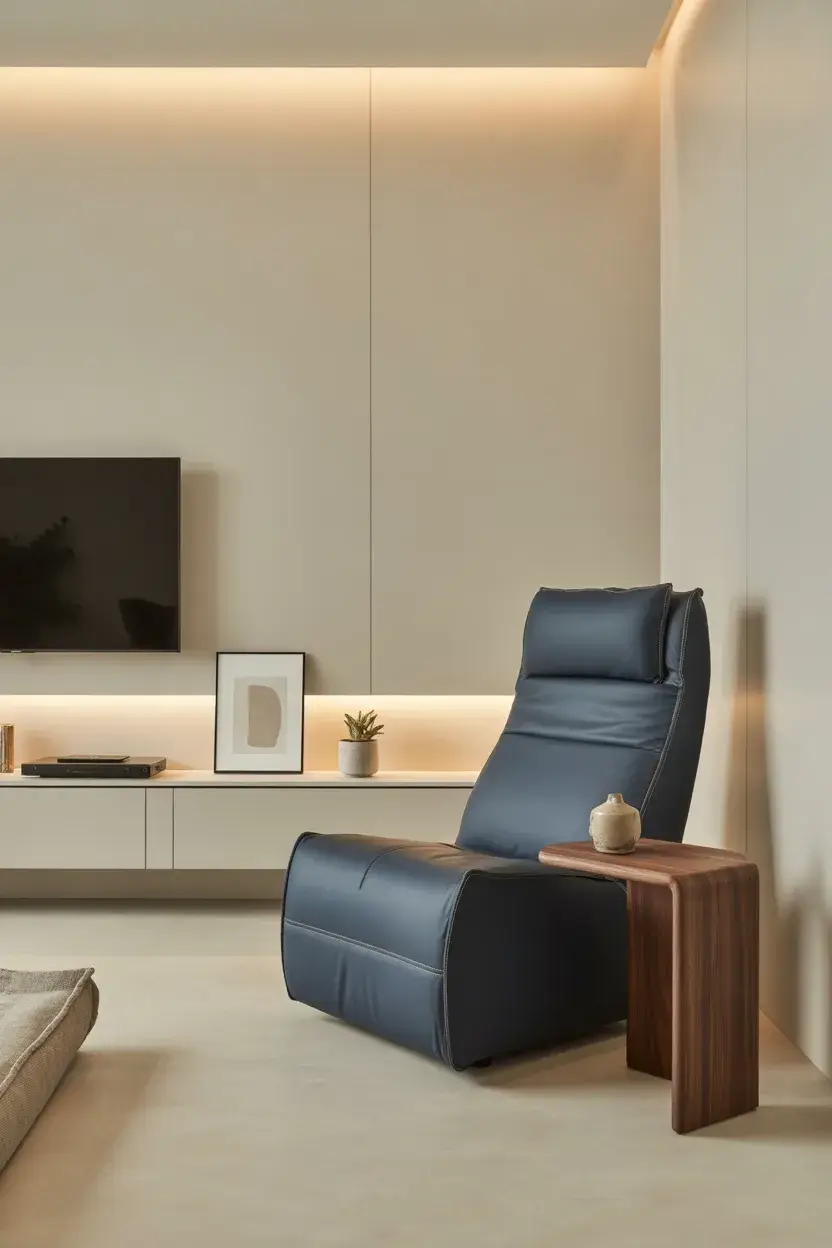
When I select a recliner like this, I focus on Compact proportions, soft yet durable upholstery, and a reclining mechanism that doesn’t require extra clearance. The navy tone adds depth without overwhelming the room, while the Foldable or subtle reclining function enhances usability. I often pair it with a slim side table and a wall-mounted Tv unit to keep the floor visually open.
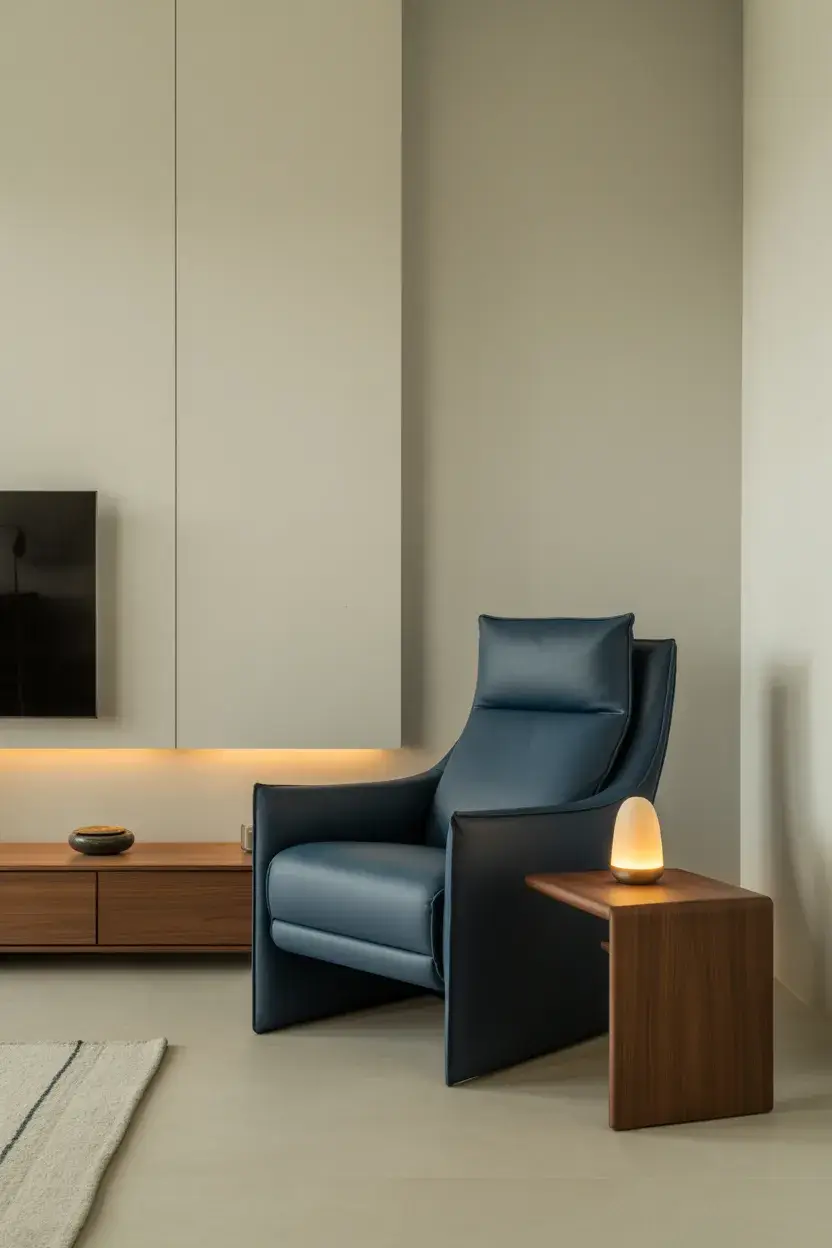
From my experience, designers featured in Architectural Digest often emphasize that comfort should never feel like an afterthought. I agree with that approach. A recliner, when chosen carefully, becomes a statement of intention rather than excess.
What I would still add here is a layered lighting setup. A floor lamp with a narrow base or a wall sconce would enhance the reading corner effect and make the recliner feel even more inviting.
Light Beige Folding Chairs For Flexible Guest Seating
In small Spaces, flexibility is everything, and I always rely on light beige Folding chairs to solve the “extra seating” dilemma without cluttering the room. Their neutral tone blends seamlessly into almost any Modern or Minimal interior, making them visually disappear when not in use.
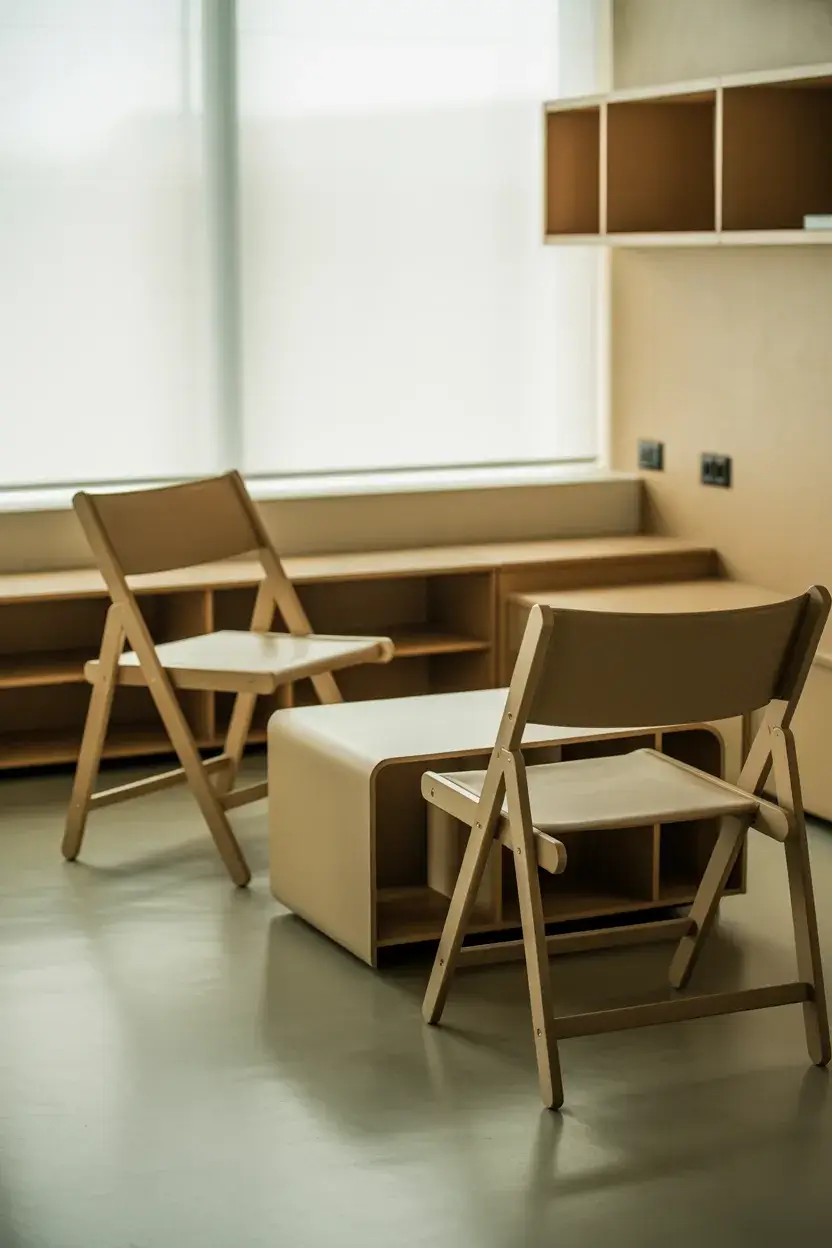
I typically choose chairs with a Simple, ergonomic design and a matte finish to avoid visual noise. The beauty of these Foldable pieces lies in their ability to be stored vertically or tucked behind a console. When guests arrive, they instantly transform the room into a more social environment without disrupting the overall Layout.
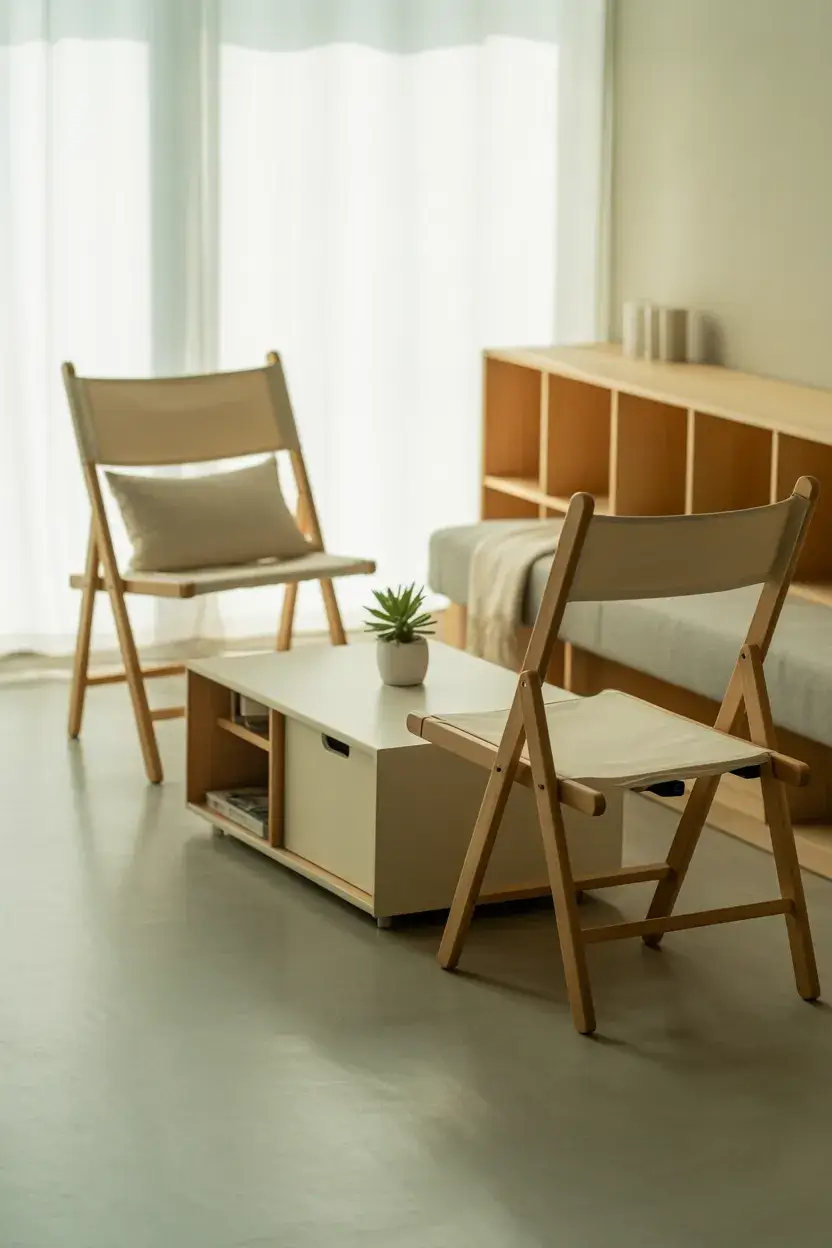
Personally, I’ve learned that having adaptable seating reduces the pressure of overfurnishing. Publications like Elle Decor often highlight that small interiors benefit from mobility, and I’ve seen how true that is in real homes.
To complete this setup, I would add a discreet storage solution, like a narrow cabinet or wall hooks, to keep the chairs organized while maintaining a clean aesthetic.
Dark Brown Leather Sofa For Timeless Small Living Rooms
A dark brown Leather Sofa brings a Classic and grounded feel to a small living room, especially when balanced with lighter surroundings. I often use it as the anchor piece, creating contrast that defines the seating zone without overwhelming the room.
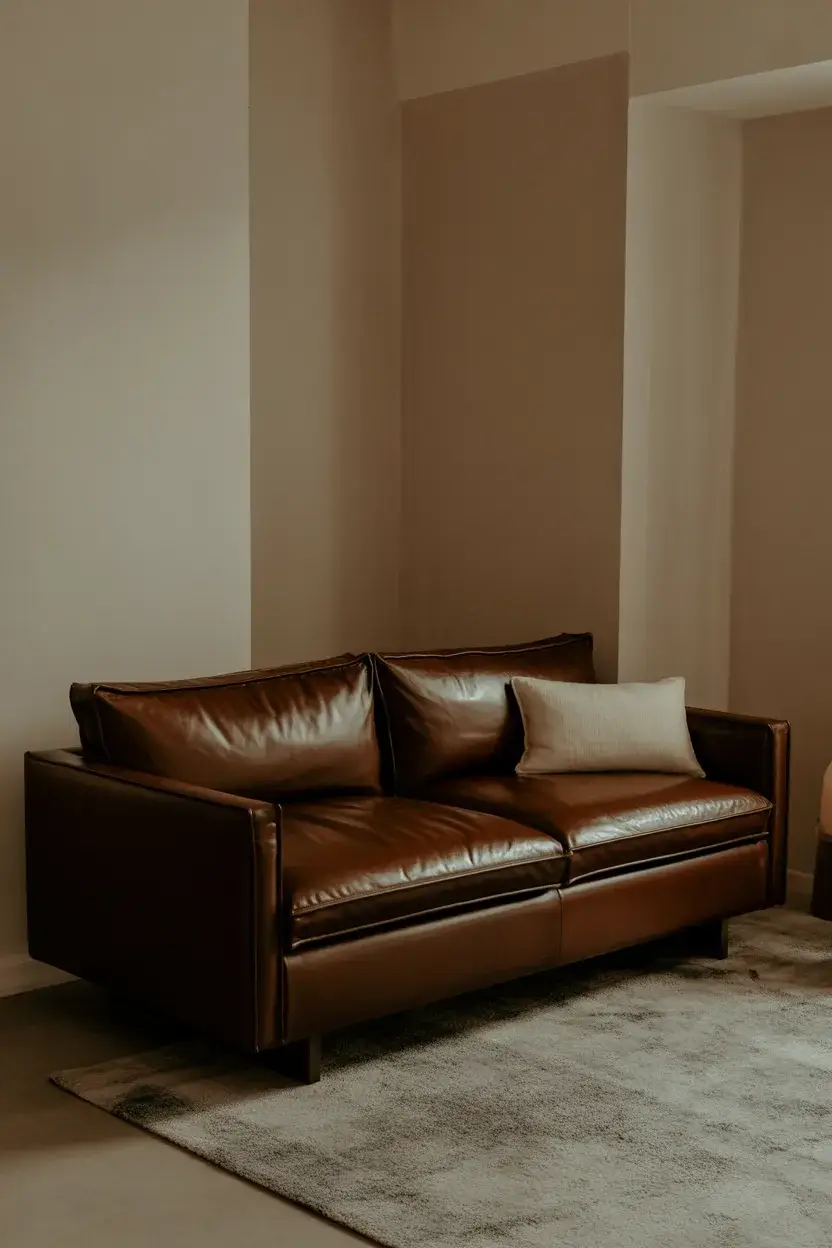
When I choose a leather sofa, I prioritize a Low-profile frame, slim armrests, and elevated legs to create visual lightness. The material itself is durable and ages beautifully, making it one of the Best long-term investments. Paired with neutral rugs and soft textiles, it creates a Comfortable and inviting atmosphere.
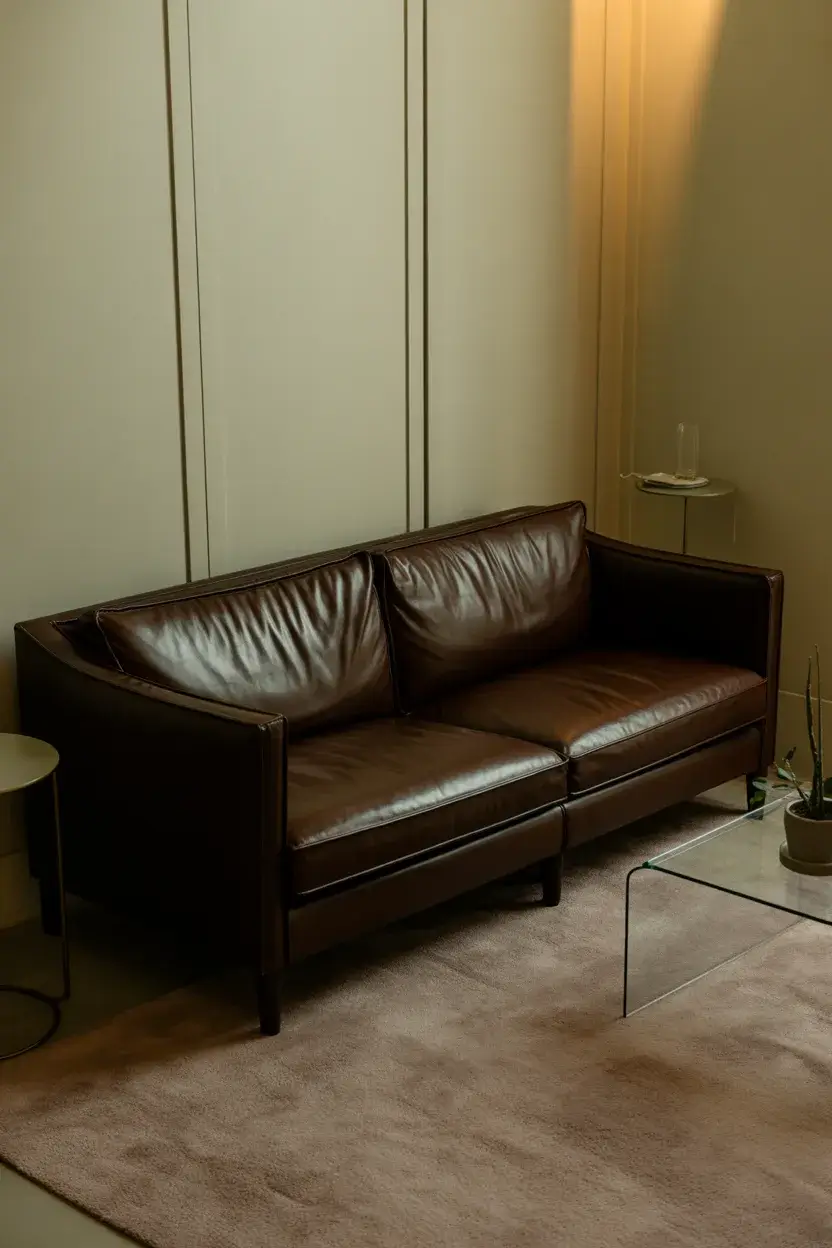
From my perspective, leather in small interiors works best when it’s not overstyled. I’ve followed advice from designers featured in House Beautiful who recommend letting one strong material speak for itself rather than competing with multiple textures.
What could enhance this setup further is adding a soft throw or textured cushions to soften the visual weight of the leather and make the space feel more Cozy.
Pastel Green Storage Bench For Multipurpose Use
I love incorporating a pastel green storage bench because it introduces both color and function into a small living room. In 2026, soft tones are becoming a key element in making compact interiors feel fresh and breathable.
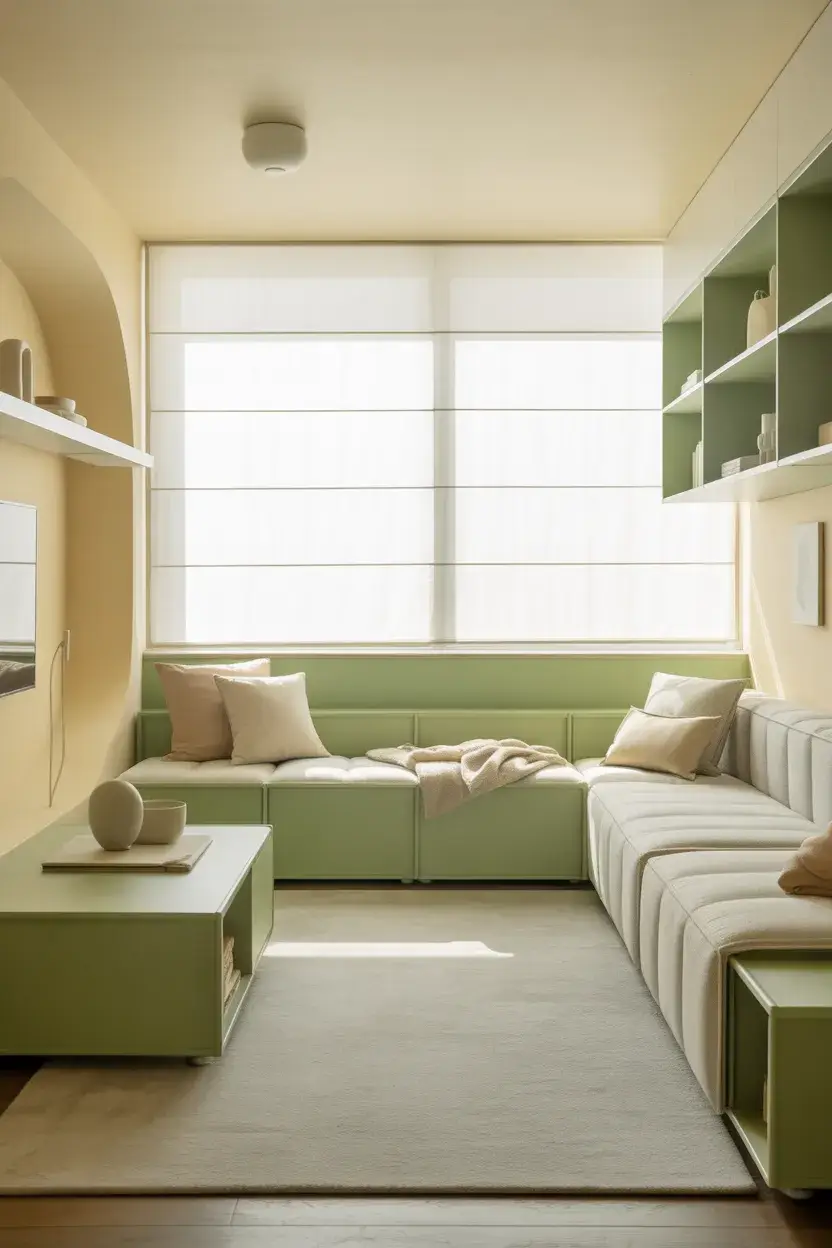
This piece is inherently Multipurpose. I use it as extra seating, hidden storage, or even a coffee table alternative. The internal storage helps reduce clutter, while the soft upholstery keeps the room feeling warm and Comfy. Its Space-saving design is ideal for keeping everyday items out of sight.
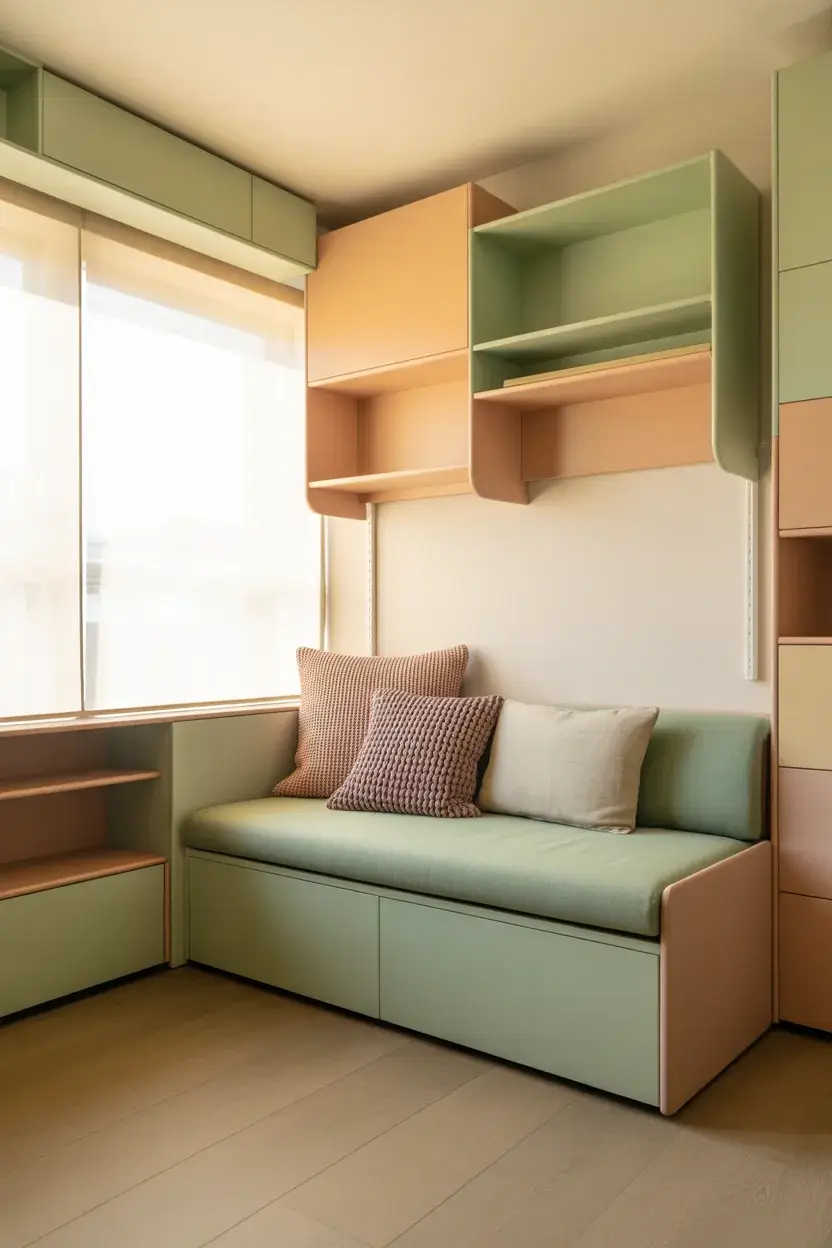
In my own projects, I’ve noticed that adding one subtle color accent can completely change the mood of a room without overwhelming it. This approach aligns with many contemporary design recommendations focusing on calm, livable palettes.
To improve this section, I would include a coordinating wall art or decorative elements that echo the pastel tone, creating a cohesive visual story.
Slim Fireplace Console For Warm Small Living Rooms
A slim Fireplace console can completely redefine a small living room by adding warmth without taking up valuable floor space. I often see it used as a focal point that enhances both functionality and ambiance.
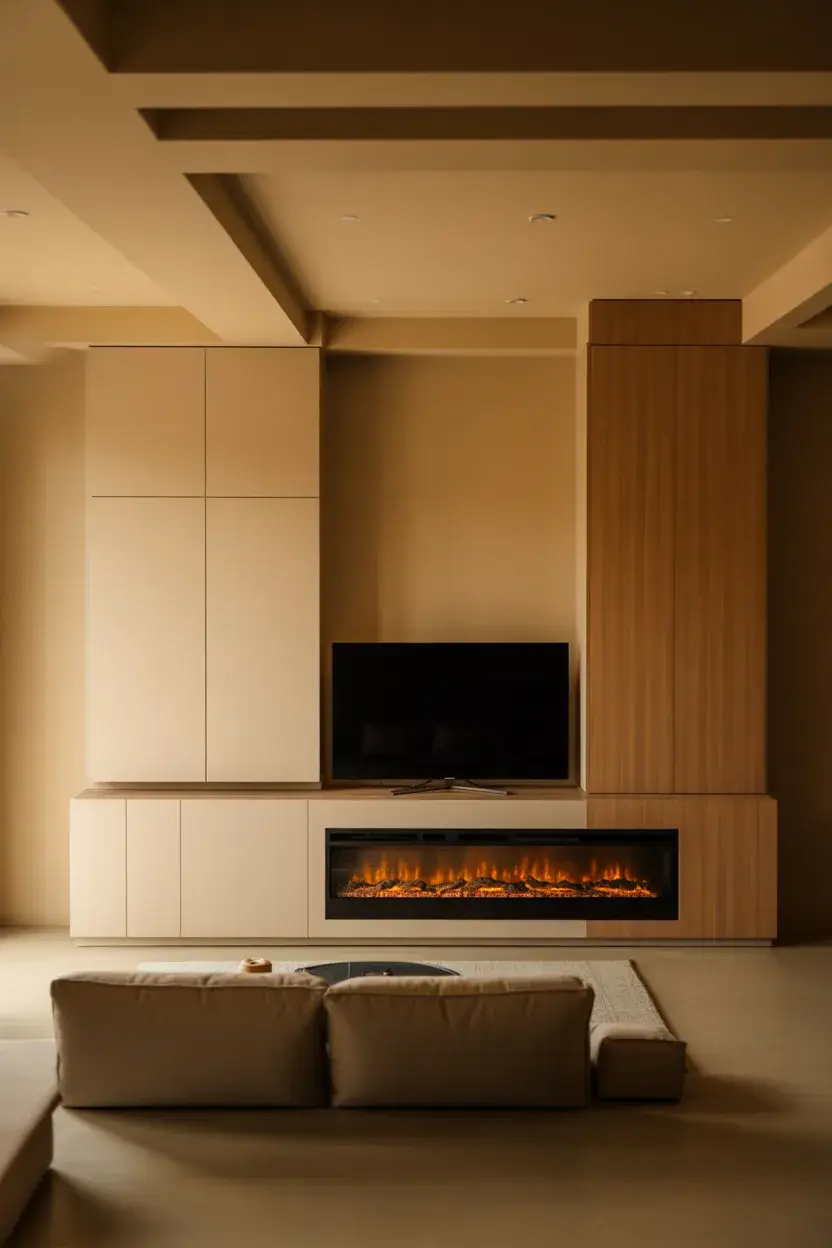
I prefer consoles that combine a linear electric fireplace with storage or a Tv stand. This Multi-functional approach keeps everything centralized, reducing clutter. The slim depth ensures it doesn’t interrupt the flow of the room, making it perfect for Compact interiors.
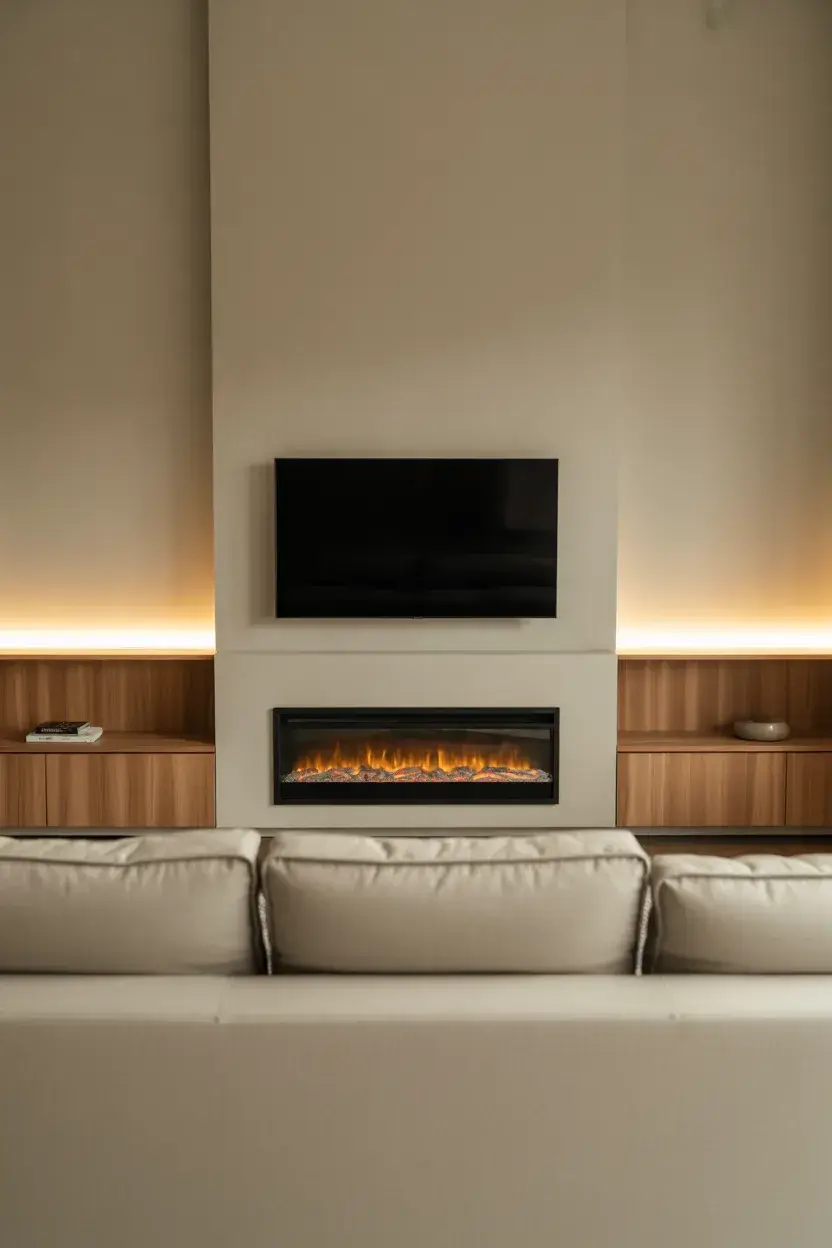
From my experience, adding a fireplace element instantly elevates how people perceive comfort in a space. Designers frequently highlight the emotional value of warmth, and I’ve seen how it encourages people to spend more time in the room.
What I would add here is subtle decor like minimal vases or books to personalize the console without overcrowding it.
Scandinavian Style Low Profile Sofa In Neutral Tones
Scandinavian design continues to dominate furniture for small living room 2026, and I often rely on a Low-profile sofa in neutral tones to achieve that effortless balance of simplicity and comfort. The clean lines and airy feel make even the smallest Spaces appear larger.
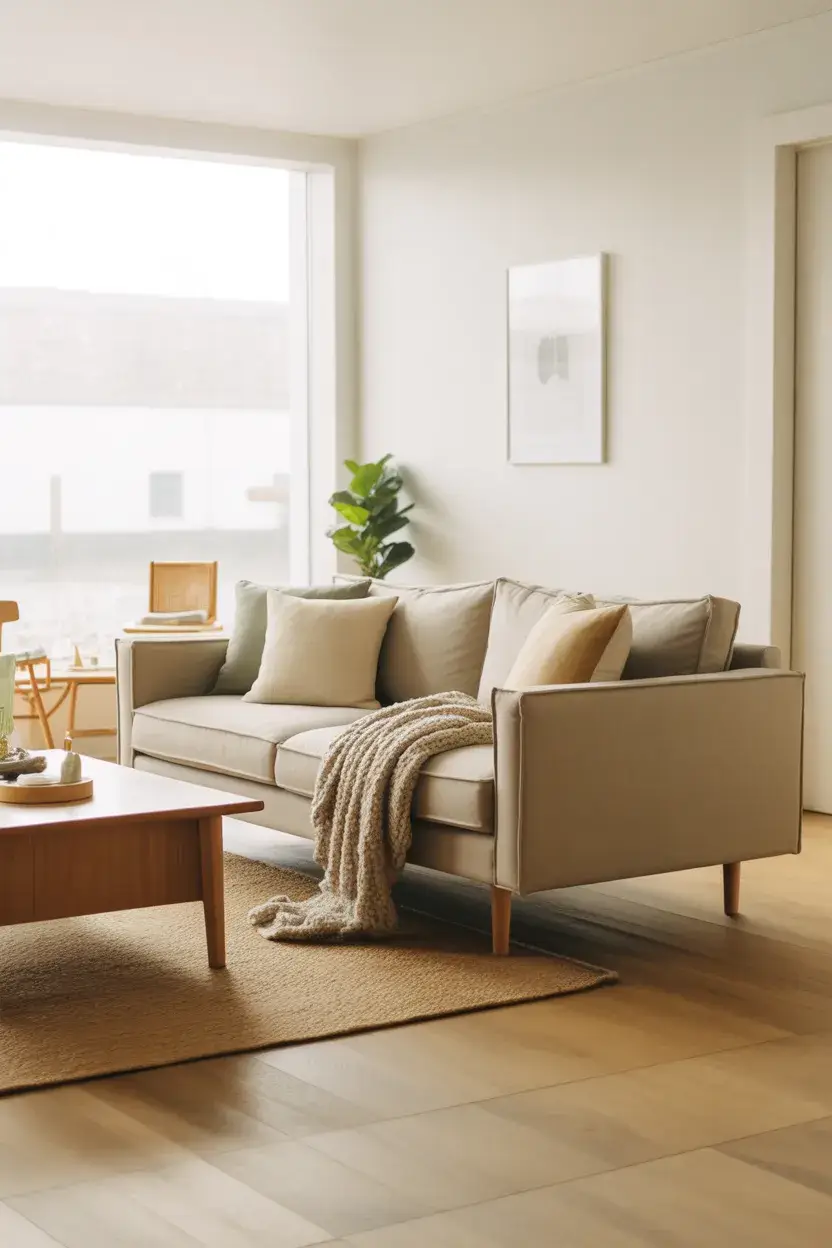
I look for sofas with exposed legs, soft fabrics, and a Minimal silhouette. These details create visual lightness while maintaining a Comfortable seating experience. The neutral palette allows flexibility when styling with textiles or decor.
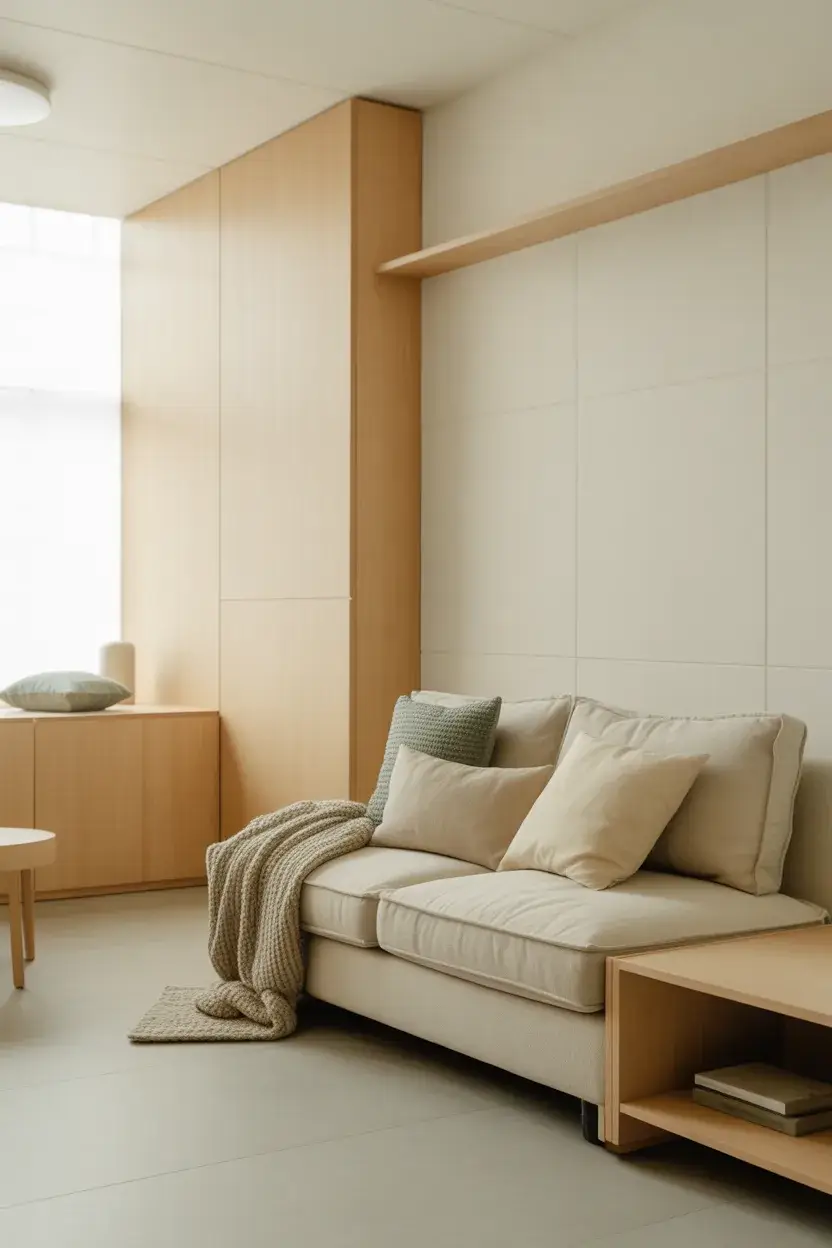
Personally, I find this style incredibly practical. It aligns with the philosophy of “less but better,” which I’ve seen echoed across many leading interior platforms.
To elevate this setup, I would introduce layered textures like wool throws or linen cushions to avoid the space feeling too flat.
Blush Pink Accent Sofa For Soft Contemporary Spaces
A blush pink accent Sofa is one of my favorite ways to soften a small living room while keeping it stylish and current. It introduces warmth and personality without overwhelming the overall Layout.
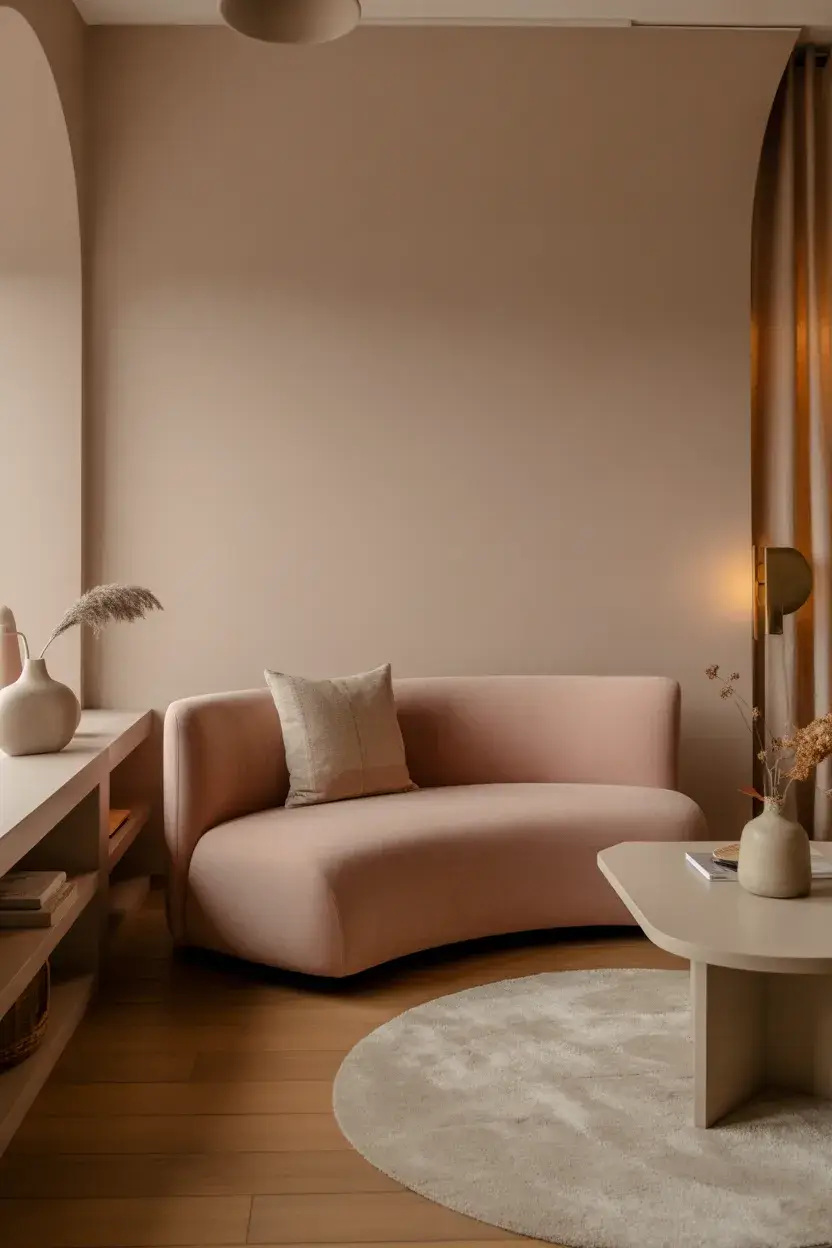
I typically choose a Compact and slightly curved design to enhance flow and avoid sharp visual interruptions. The soft color works beautifully with neutral walls and metallic or wooden accents, making the room feel Cozy yet refined.
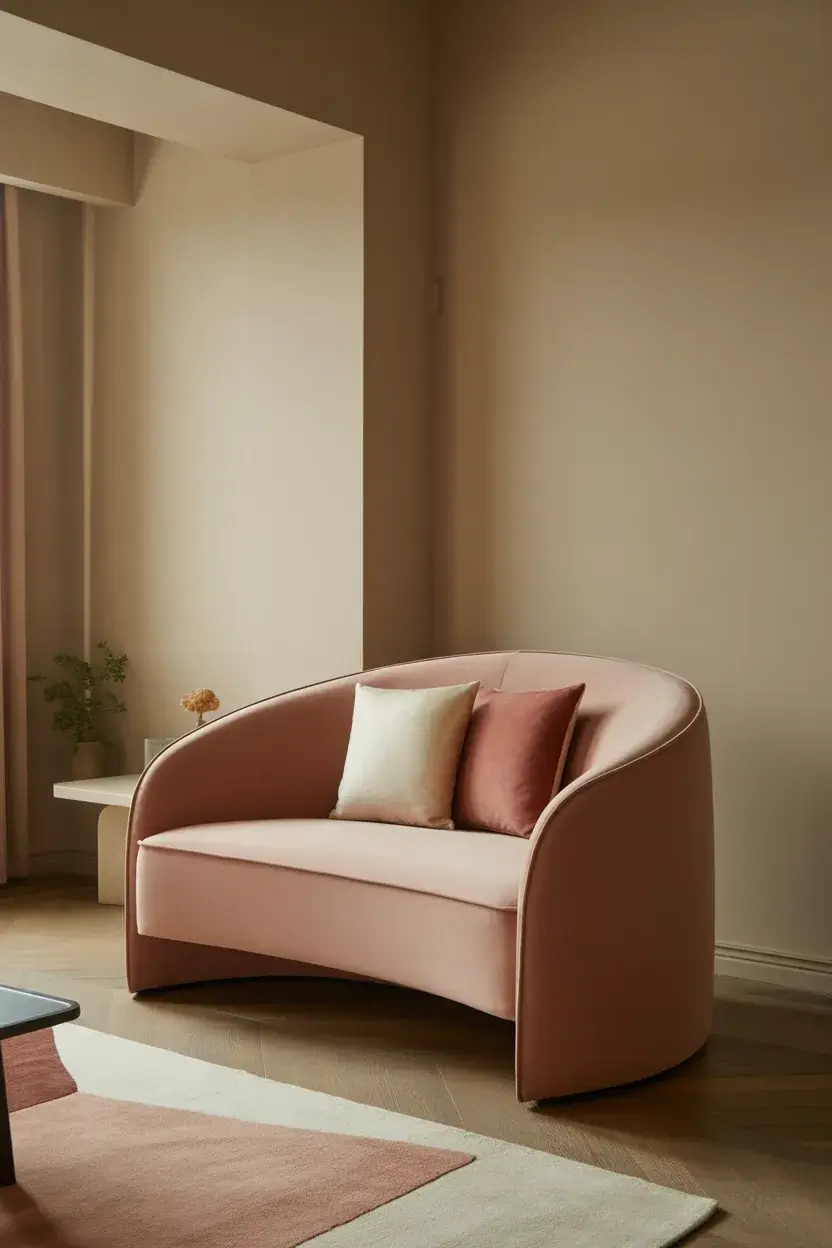
In my experience, adding a subtle statement piece like this creates a focal point that feels intentional rather than decorative. It’s a strategy often recommended in modern interior styling guides.
What could improve this space further is incorporating complementary tones through decor, such as muted gold or soft beige elements, to create harmony.
Compact Round Dining Table For Living Room Integration
I’ve noticed that integrating a Compact round dining table into a Living room is one of the smartest Space-saving solutions in furniture for small living room 2026. This approach works especially well in a Dining room combo, where zones need to feel connected yet functional. A round shape softens the overall Layout, improves flow, and eliminates sharp edges, which is essential in smaller Spaces where movement matters.
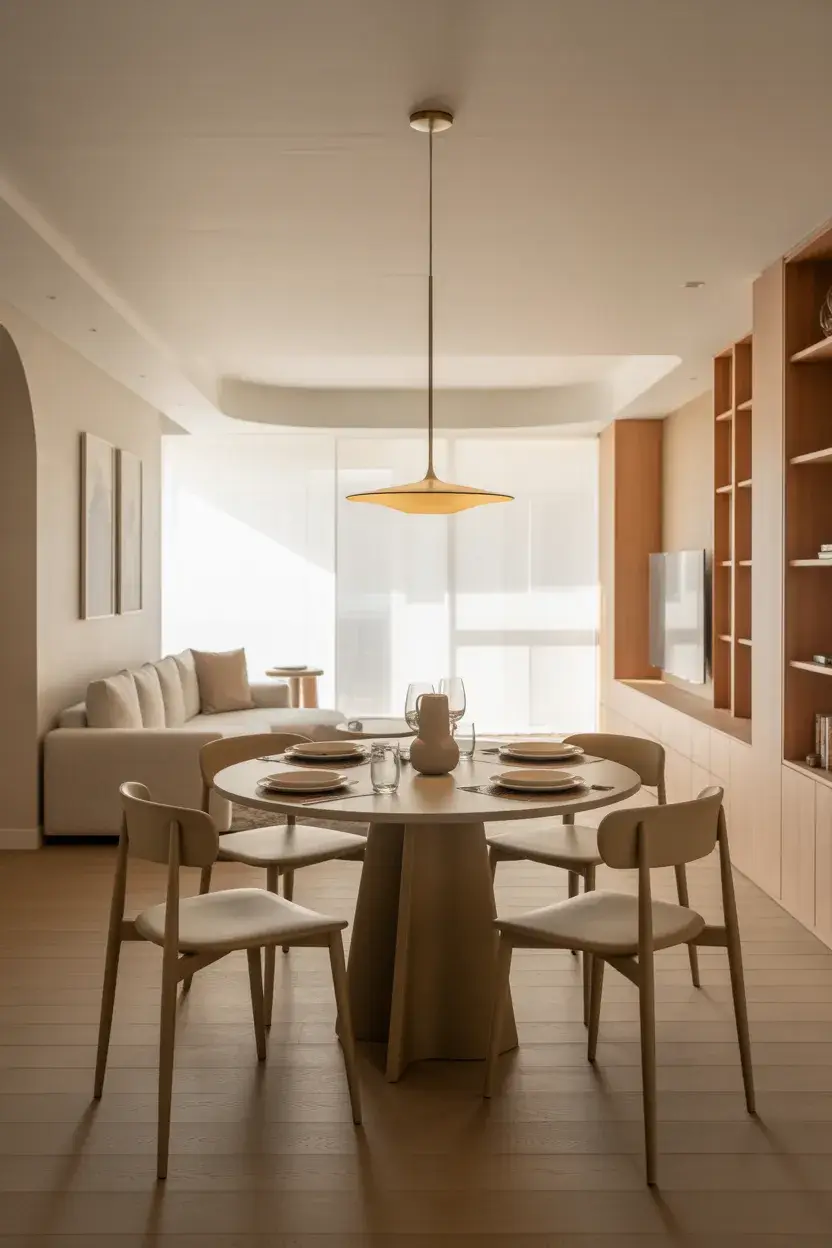
When I choose a table like this, I focus on Multi-functional features such as extendable or Foldable designs that adapt to daily use. A pedestal base is usually my go-to because it frees up legroom and keeps the area visually light. I pair it with Simple, lightweight chairs that can double as extra seating in the lounge area. The goal is always to maintain a Modern, Minimal, and Comfortable atmosphere without overcrowding the room.
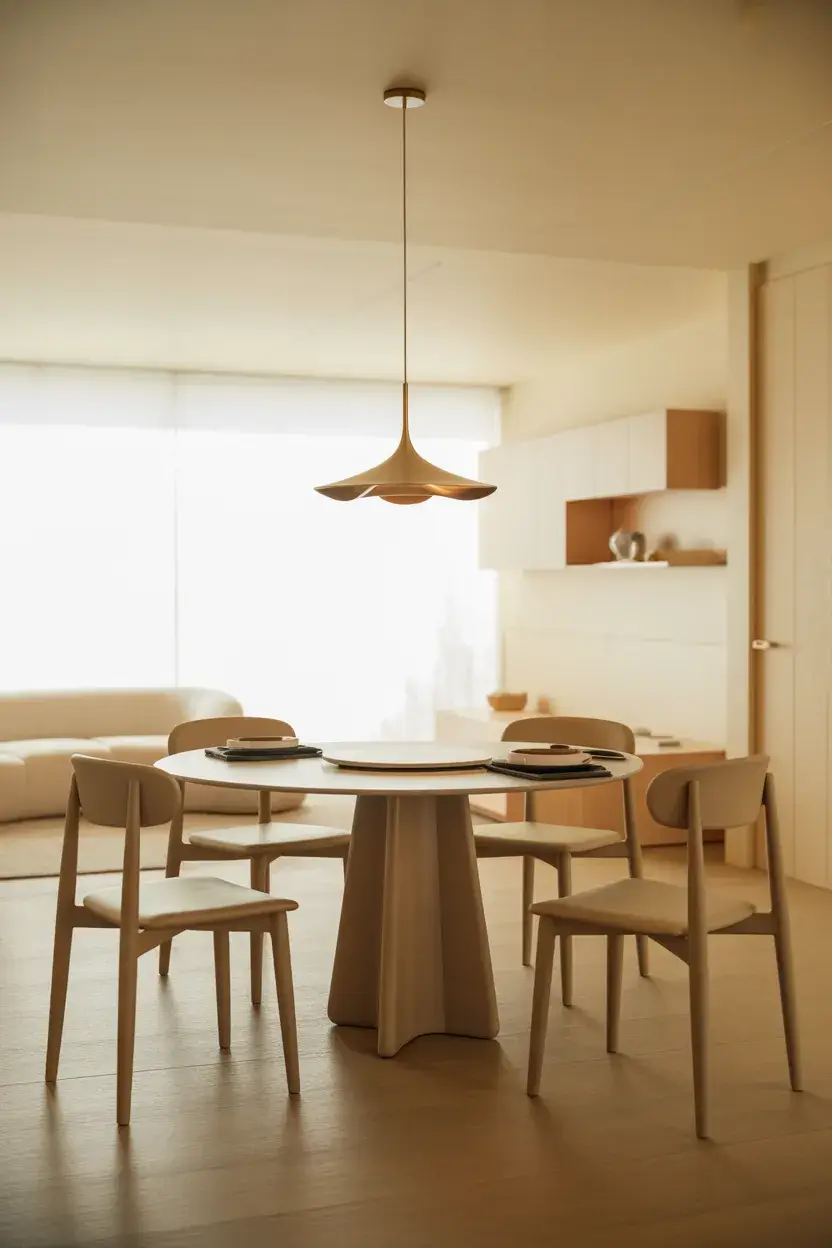
From my experience, designers featured in publications like Apartment Therapy often emphasize that small homes benefit from furniture that blends functions seamlessly. I’ve applied this principle many times, and it consistently creates a more Cozy and practical environment. A round dining table doesn’t just serve meals, it becomes a central hub for work, conversations, and everyday living.
To complete this setup, I would add a pendant light centered above the table and a subtle rug underneath to visually define the dining zone without breaking the openness of the space.